

Where in the World is KidLit?
Society isn’t investing in our kids and it is affecting the literary world
By Miny Readsalot
Edited by Emilee Saigh
We’ve heard about the literacy crisis for ages and how kids aren’t able to read as well anymore. Between the closure of KidLit imprints, publishers not investing in KidLit, and the National U.S. Ambassador of Children’s Literature calling KidLit “crud,” KidLit is up against so many barriers and we should all be very worried.

Marketing KidLit 101
Marketing KidLit to the intended reader is a conundrum because legally, there are a lot of rules and protections in place for kids (as there should be). There isn’t a universally-used program like Goodreads or StoryGraph for kids to write or record their reviews. Most of the advertising is to the caretakers, librarians, and educators of these kids, which brings up the question, how do kids choose what book to read?
Take the New York Times best sellers list for example. The top titles for children’s and young adult series— Diary of a Wimpy Kid, The Hunger Games, Wings of Fire, Magic Tree House— have been consistent top sellers for years. The top book in Children’s Middle Grade Hardcover, Wonder, has been on the list for 545 weeks—literally for more than ten years (The New York Times).
So, why do newer books have such a difficult time cracking these lists?
If you think about where students get their recommendations from, it is largely from their peers and the adults in their life. There isn’t a Bookstagram or BookTok community for them to interact with other kids their age. I read the books my teachers read out loud for us in class and then usually dove into the backlist afterwards, but that limits the pool down to a very narrow range of what people in my circle had read and it was often the same books.
So, knowing this, how do KidLit authors reach their readers directly?
Mostly from a mix of local events, school visits, and author signings. All three involve a lot of time and money—usually placed on the shoulders of the author—and require fundraising or grants. Schools have also become more restrictive of guests allowed on campus which limits the amount of places KidLit authors can go.
Even with these avenues, most of the exposure is at the local level, and there’s been a shift in the conversation around KidLit on the national level.
Goodreads, Barnes and Noble, and the Closure of KidLit Imprints
There’s a lot of other discourse about Goodreads I won’t get into here, but the reality is these lists do make an impact in the publishing industry. The winners of the Children’s & Middle Grade category run into a lot of the same issues the New York Times best sellers lists have: most of the finalists are seasoned best-selling authors or series.
Being a nominee on one of the biggest reading platforms on a national scale still allows authors and books to get exposure to a broader audience. Goodreads awards from 2011 to 2021 had multiple categories for KidLit authors including Graphic Novels, Young Adult Fiction, Young Adult Fantasy, Children’s & Middle Grade, and Picture Books.
In 2022, Goodreads eliminated the Picture Book category, combining it with the Children’s & Middle Grade category. By 2023, Goodreads eliminated all of those categories except for Young Adult Fiction and Young Adult Fantasy, which drastically narrowed the amount of nominees specifically for kids. In terms of numbers, that accounts for sixty less books garnering attention amongst KidLit.
Goodreads wasn’t the only platform to quietly eliminate national support for KidLit. In June of 2019, Barnes and Noble started a monthly YA Book Club. In-person meetings were affected by COVID, but Barnes and Noble hosted online meetings and interviews with the books featured in stores with displays. The first three picks were by debut authors, and all three ended up being on the best-sellers list.
The last Barnes and Noble YA book club book was in March 2025, and after, they quietly discontinued the program. While the bookstore chain still has their annual book awards like Goodreads, this leads to less visibility and exposure to the general audience.
The KidLit world has also seen a lot of instability on the publishing side from restructures and eliminations of KidLit imprints to fewer books being signed. Jenna Satherwaithe in her substack article Chaos in Kidlit talks more in-depth about the details but the TLDR is there’s less money being invested into the KidLit industry.
“94.7% of KidLit books are crud”
In case you missed it, Mac Barnett, the U.S. National Ambassador for Young People's Literature, recently made the statement, “94.7% of KidLit books are crud” in his book, Make Believe: On Telling Stories to Children. We’ve all heard people remark how “something reads like YA” and, unfortunately, calling KidLit “crud” is another way of looking down at media meant for youth.
Because what does “reads like YA” or “KidLit books are crud” even mean? There are so many books that approach topics like racism, genocide, prejudice, etc. while being age-appropriate. Which books does Barnett count as crud? His book talks about how kids don’t want didactic stories that spell out the morals. But that alone ignores that publishing is still very white.
Kalynn Bayron, New York Times best-selling author of Cinderella is Dead, noted there were “more books written about talking animals than Black people.” Tracey Baptiste, author of the Caribbean horror series The Jumbies, talks about how historically diverse books were criticized about not being believable and there is a very narrow definition in the stories of what a non-white, non-Christian book could tell.
Even books like Indian and the Cupboard, The Cay, Walk Two Moons, and Island of the Blue Dolphins featured diverse characters but all were written by white authors and tell a certain type of narrative where the non-white character was othered. We saw the emergence of “We Need Diverse Books” in 2014, but according to the Cooperative Children’s Book Center, even in 2025, books published by white authors still made up 60% of books published. While the number of books written by and about BIPOC characters has increased, looking at the numbers going all the way back to 1985, publishing is still largely white.
So, in a time where book bans are prevalent in the U.S., which disproportionately target marginalized authors, Barnett’s comments were inflammatory. While it may have been hyperbolic to call a majority of KidLit “crud,” it provoked a strong response and put dangerous ammunition in the hands of people who are actively trying to enforce censorship. It isn’t just that he is a straight, white male, but the challenge is also in the level of power and influence he has as an author and as the National Ambassador for Young People’s Literature. Afoma Umesi at Reading Middle Grade analyzes Barnett’s quote in her substack, Mac Bennett is Right. Mac Bennett is Also a Snob, and while Afoma discusses what he got right, there’s no denying the virality of the statement.
Interview with Kalyn Josephson and Tracy Badua
I sat down with middle grade (MG) authors Kalyn Josephson and Tracy Badua and, over the past year, we’ve had a lot of conversations about KidLit and all of the obstacles they face in their field. Tracy is the author of The Takeout, Freddie vs the Family Curse, and This Is Not a Personal Statement amongst other KidLit books. Kalyn recently dipped her toes into adult fantasy with The Library of Amorlin and wrote The Ravenfall series with The Grimlore Games coming out later this year.
Miny: What are some of the challenges of being a MG author?
Tracy: One of the harder parts of being in the middle grade space is our reader is someone we cannot reach directly. Our readers are children, and as an adult writer, I should not be actively selling to children, and I should be reaching them through their adults and educators, but our reach is often limited to social media.
Kalyn: School visits, which [are] usually something authors set up, but publishers really don’t know how to market to kids outside of that.
Miny: There’s been an increase of KidLit imprints closing. How have you seen publishing change for middle grade in particular over the years?
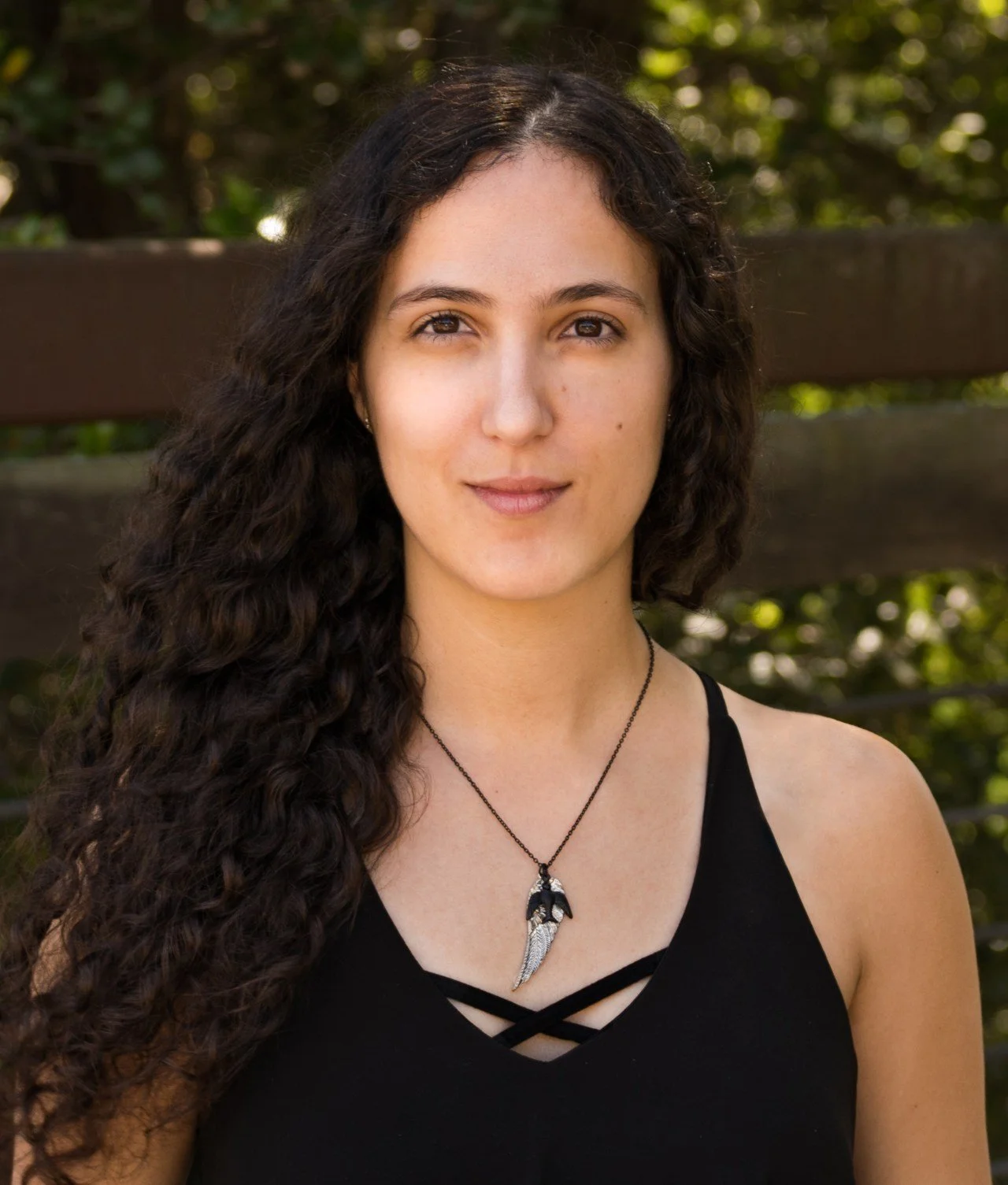
Kalyn Josephson
Tracy: It makes a lot of writers nervous because we’ve already seen how [nerve-racking] it is to reach our readers and the opportunities and resources feel fewer and fewer. Major retailers are no longer taking the risks of signing debut books, [and] there’s no opportunity for discovering newer middle grade authors. It is increasingly harder to break out in middle grade, especially with debuts. Even the things we relied on because they’re not really opportunities anymore; we used to have more communities on Twitter.
Kalyn: Publishers have also stopped doing ARCs for middle grade. In 2022, there were review teams with ARCs with educators and librarians, and the route we would find each other was Twitter. [It] doesn’t really exist with Threads, so there are lost methods of reaching middle grade authors and their community. The support has been knocked out of the bottom-of-the-age categories.
Miny: What are some misconceptions about KidLit you see often?
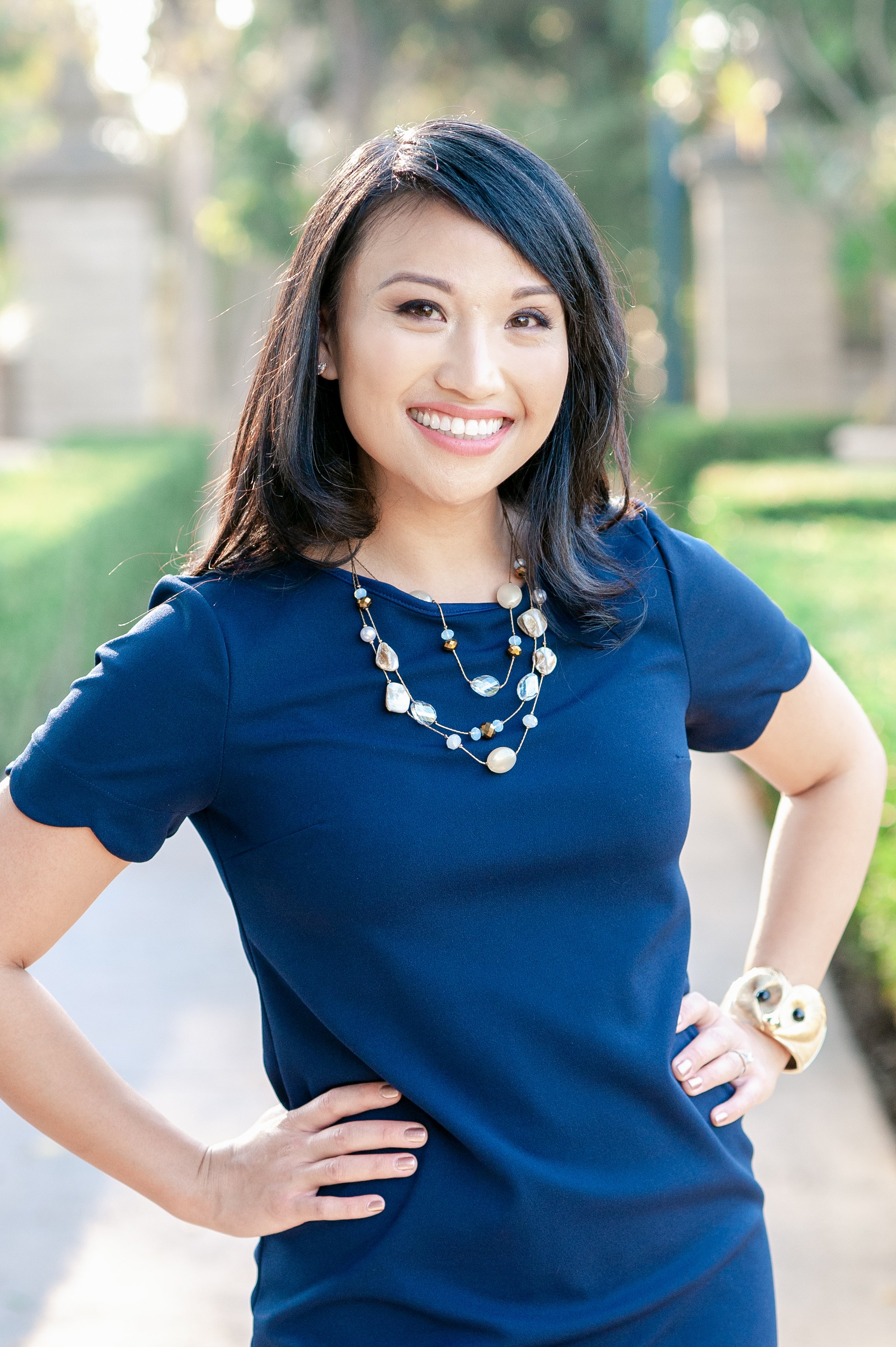
Tracy Badua
Tracy: That there are ‘girl’ books and ‘boy’ books, and I get a lot of questions of which books they [can] read, and it’s all of them. Limiting kids based on the gender of the protagonist is limiting. KidLit can be dark.
Kalyn: That KidLit by nature of being for kids [is] inferior in quality, importance, etc. They can be just as impactful.
Miny: Why is it important that kids and adults both read KidLit?
Tracy: I’m biased, but I’m trying to phrase this in a nice way. There's something refreshing [about] returning to how kids approach the world and how they would solve problems and the view points are different in middle grade. Sometimes we need to be reminded of that. And middle grade protagonists don’t have to do taxes.
Kalyn: With adults, I think it’s important to know what kids in their lives might be facing. For kids, literacy is an easy answer, but books provide context for conversation. For example, kids have pointed out they don’t know how to approach a topic and were able to reference a book.
Miny: How has the literacy crisis affected the KidLit scene?
Tracy: This is tied to concerns about cost, but there has been pressure to write shorter [books]. Before writers could get away with querying 50,000, [now] we’re being asked to cut it down to 45,000/40,000, which could mean subplots or whole lines of character development being cut.
Kalyn: It’s a lot harder to sell. Publishers take less risks, and less books by marginalized authors are bought. Tracy and I are trying to sell a chapter book right now and there are less options.
Miny: What can we as a community be doing to promote KidLit and literacy?
Tracy: Buy all of our books, ensuring kids have access to representation so kids aren’t limited to books by people who just look like them or don’t look like them, ensuring options exist, and for every Junie B. Jones, knowing there is a Kelly Yang.
Kalyn: Investing in KidLit books. There are fewer book opportunities and it affects all of us.
What Can We Do?
There isn’t a perfect solution to fixing all of the issues plaguing KidLit. There needs to be a change, not only in publishing and how much they invest in these imprints, books and authors, but also in how we approach and talk about children’s literature as a whole.

Of course, we should all be reading more KidLit, regardless of our age. Readin’s Ally Hendrick’s May article, The Case for KidLit, lists out why you should be reading KidLit as well as how to approach it from the lens of the intended audience.
We Need Diverse Books is a non-profit organization critical to the increase in books by marginalized and BIPOC authors. They provide mentorships for authors and illustrators and have helped diversify publishing by providing scholarships for interns.
I recommend following people who love and actively review and recommend KidLit, too. Claire Linney and Maya Le are both thoughtful creators who give recommendations on topics covering everything from mental health to diversity. Michelle has an online book club, Baby Got Books, where they pick a KidLit book every month to discuss. And if that wasn’t enough, Ally Hendricks, Michael La Born, and Jaysen Headley also mention KidLit throughout their platforms.
Some other important accounts the KidLit community recommends you follow:
Because we have purchasing power and influence as adults, we must think about how sentiments like “reads like YA” and “KidLit books are crud” not only affect how kids view reading, but also how publishers use those reviews and feedback to make marketing decisions. KidLit is a form of writing balancing everything from absurdist humor to loneliness and grief all while being developmentally appropriate and intentional with the number of words used to tell stories.
There are so many kids still looking for books to make them feel seen and give them the words to make meaning of what they’re facing, and we need to ensure publishers and the book community help them find the book that may help them fall in love with reading.