

The Problem with Reimagining
How Creative Decisions Can Make or Break a Piece
By Kierra White
Edited by Emilee Saigh
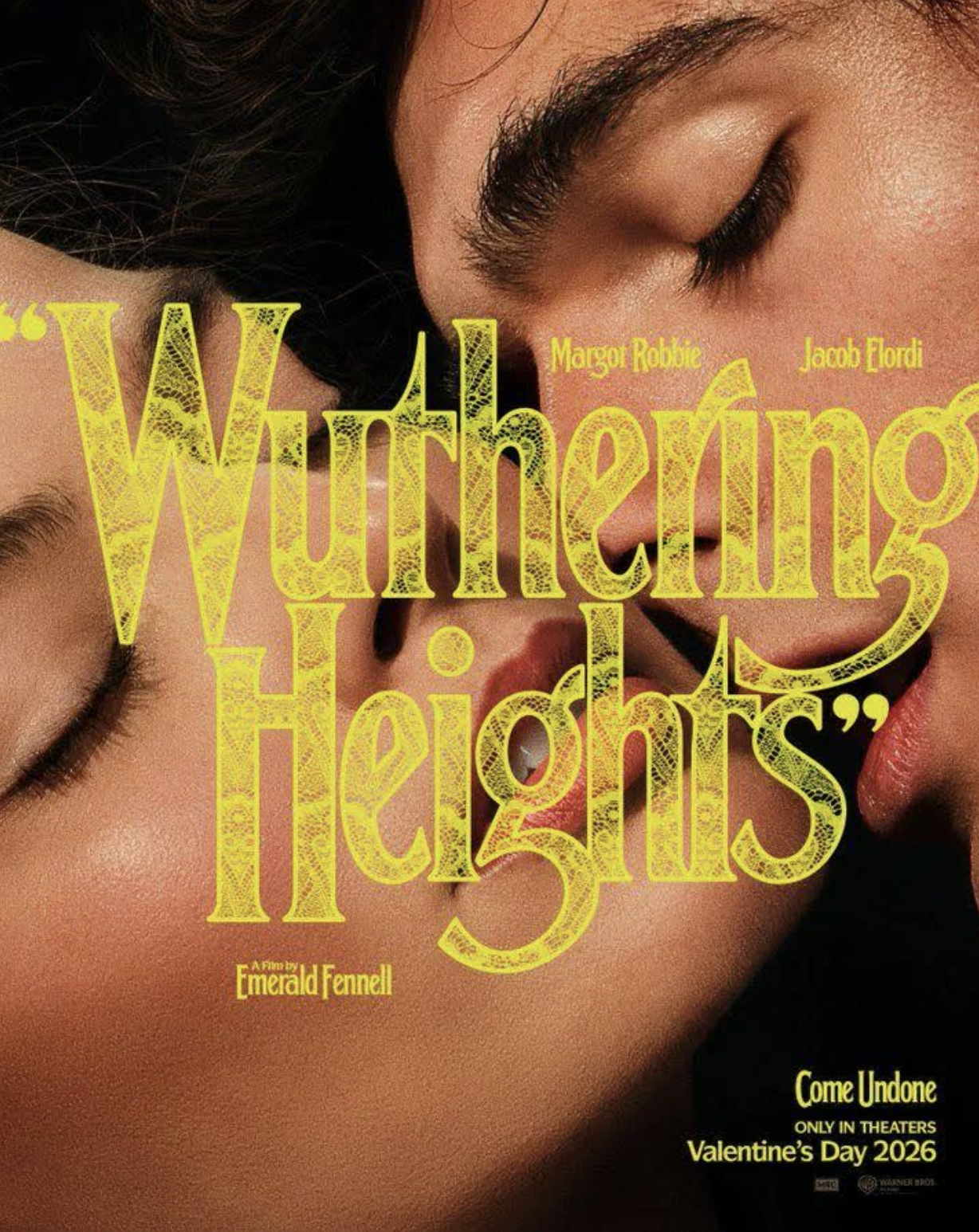
Emerald Fennell's Wuthering Heights is an example of what happens when you change the source material so much the adaptation becomes a limitation of its origin.
What Makes an Adaptation Work?
There are two core elements that make a break or film: narrative integrity and character understanding. These two conditions can determine if a story will function the same even with the new form it takes.
Narrative integrity refers to how a piece can stay true to its meaning even with major and minor changes to the plot. In TheHunger Games, the adaptation has changes like the screen time of certain characters or scenes missing from the movie that were in the book. Still, the overall structural outline of the book to the adaptation of the film stays intact. The narrative does not change enough where you don't understand what's going on.
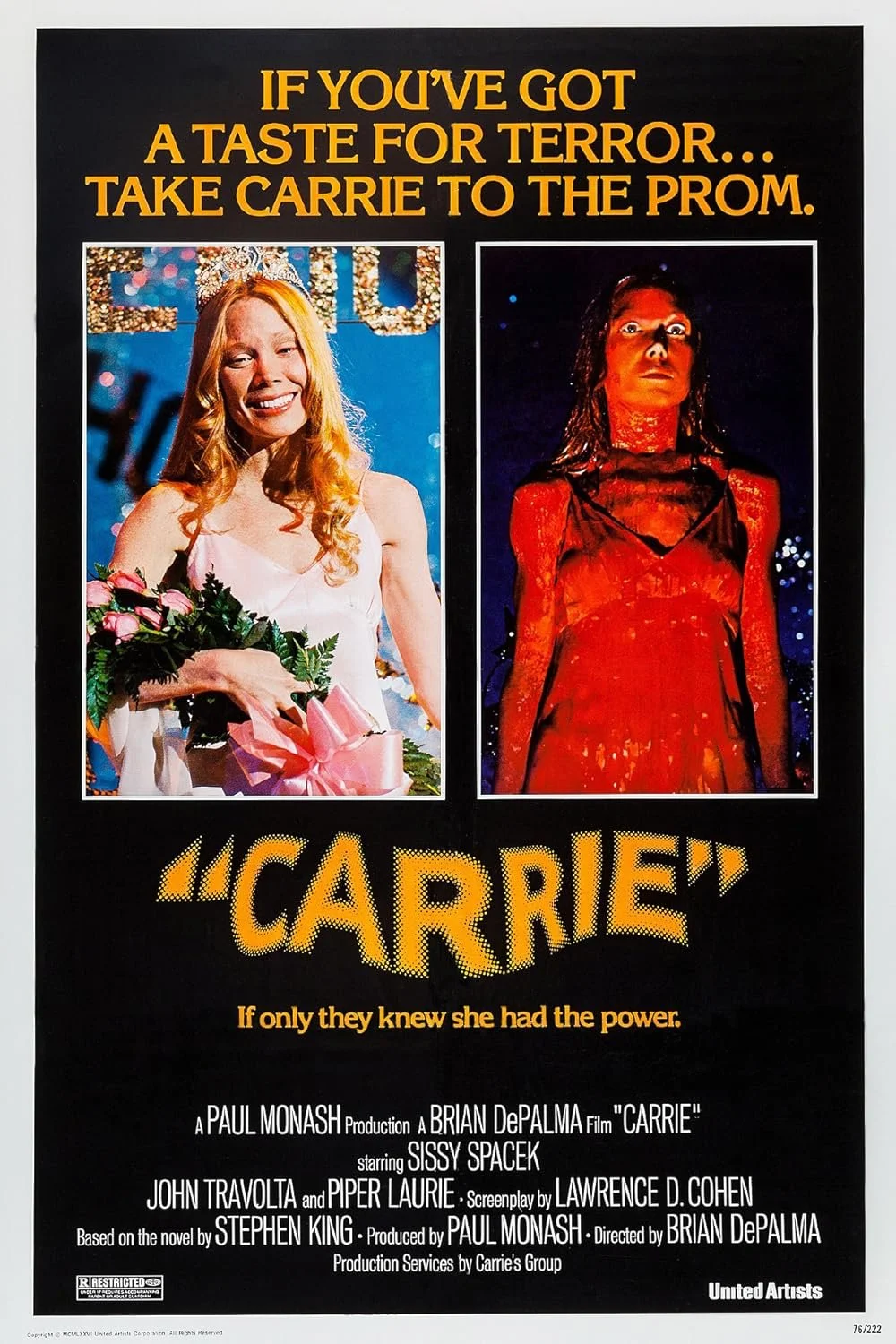
Character understanding extends this principle into performances and interpretations. Carrie (1976) was led by Sissy Spacek, and she did not look like Carrie from the book. While her physicality might have been different, Spacek's interpretation of Carrie and her performance preserved the structure and representation of who Carrie was as a character. This resulted in an adaptation that was not only received well by critics but fans alike. These examples matter because they show it is possible to make an adaptation successful while still adjusting the characters and parts of the story. This is not to say adaptations will fail because of changes to the original source material. In fact, change is sometimes necessary to make the film work. To make a strong adaptation, one needs to understand what can be preserved and what can be reinterpreted.
The Power of Casting
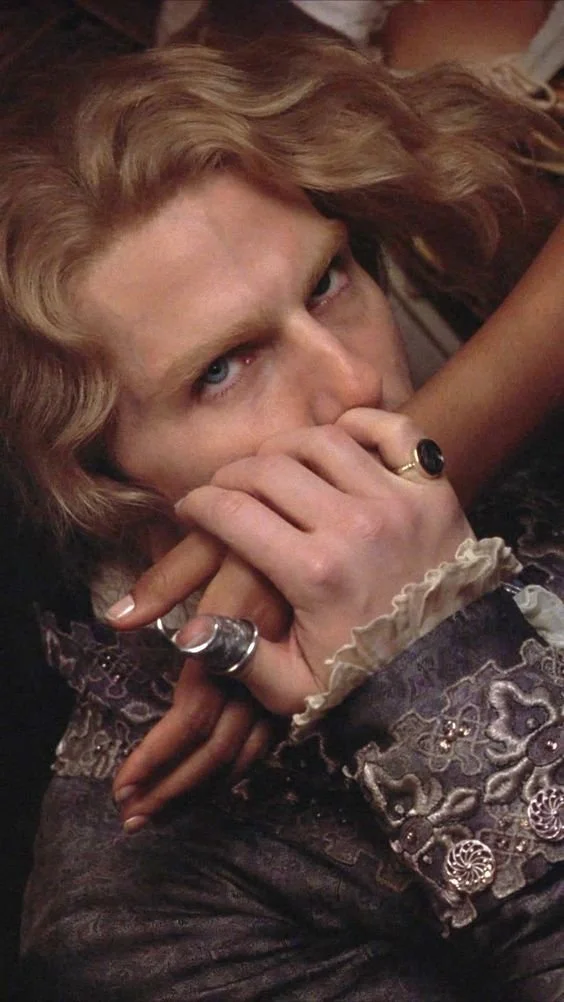
Something missing recently from the world of casting is the understanding of what makes a good casting decision. Strong casting has a responsibility to help clarify and deepen the meaning of a film. When an actor fully aligns with the character's identity, the performance doesn't feel fake or imposed but instead feels like the words truly bring them to life. Take a look at Tom Cruise in Interview with the Vampire: the controversy surrounding him when he was first cast for the role was astonishing, but through his portrayal, even author Anne Rice found him to be a perfect version of Lestat on screen.
Rice said, “Never during [the] 17 years of development had I ever expected the film version of this book to emerge with so much of the heart and soul intact.”
Casting more often than not becomes another version of storytelling (if done correctly), and the recognition is growing day by day. Even the Academy Awards have formally made casting its own category as of 2026. It's a form of acknowledgment of how casting is almost as central to the success of a film or television show as directing and producing. When casting aligns with the source material, it can help form connections that weren't there before. When done incorrectly, however, it can break the true meaning of what is trying to be portrayed on screen.
Ghost in the Shell with Scarlett Johansson is an example of bad casting decisions. This was a clear case of whitewashing, a decision that overall dampened the film. Another example of this was Children of Blood and Bone where Amandla Stenberg was cast as a dark-skinned Black woman when she is not. This raises concerns about what casting directors think is palatable to audiences in a global setting. When characters are changed too much, the original interpretation of what they were supposed to represent shifts.
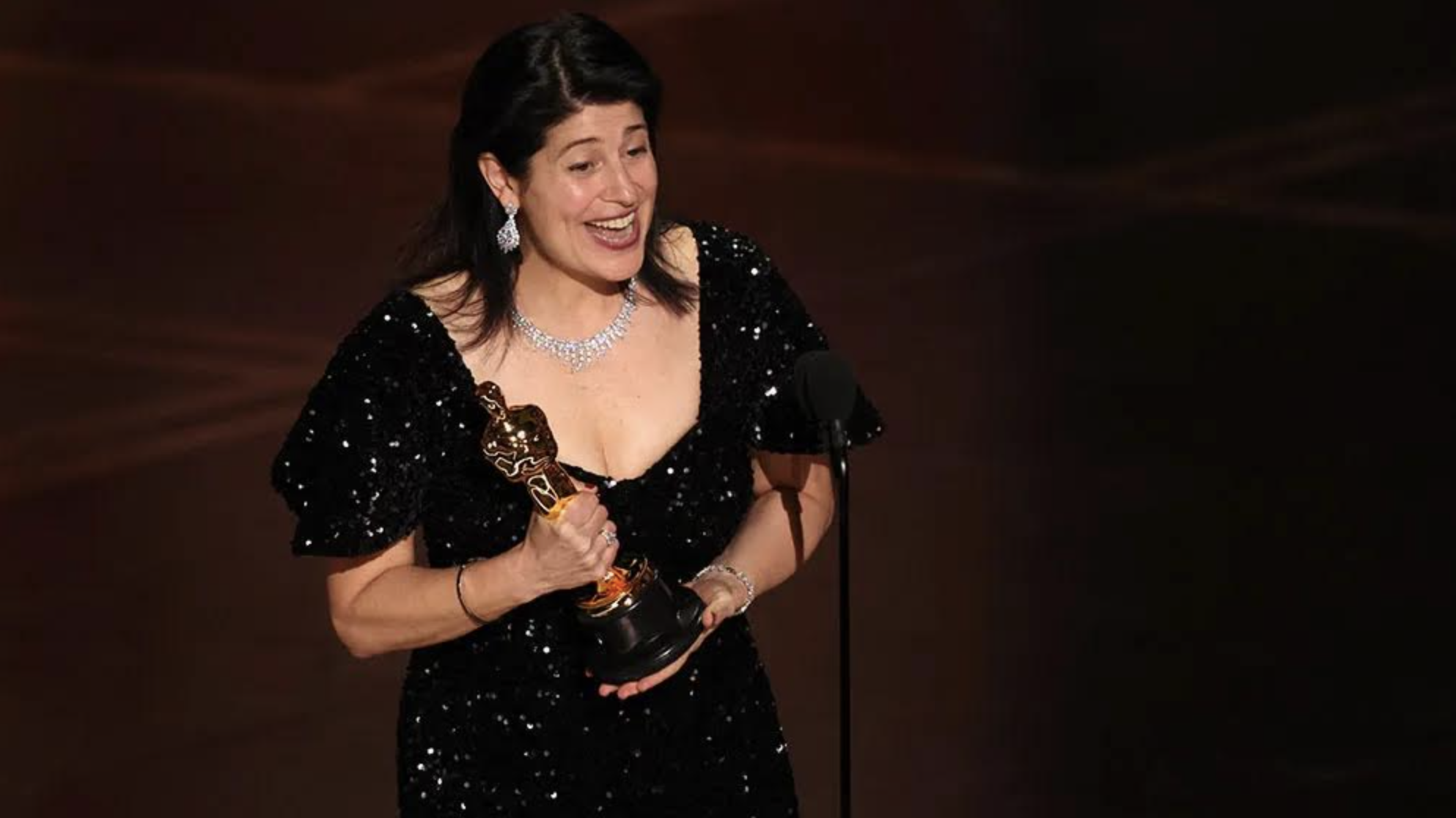
Academy Award Winner Cassandra Kulukundis winning the inaugural Oscar for Achievement in Casting
And the concern is only becoming more widespread. Actors have also started to state just how much casting is being influenced by outside factors. “Acting should never be reduced to numbers of Instagram followers,” Paul Mescal stated recently in an interview with The Times UK; and he's right. When deciding on who gets a role, casting directors should be more concerned with how the actor fits the character instead of their social media following or connections they have.
In the case of Wuthering Heights, the pattern of biased casting is extremely consequential to the meaning of the film for both Heathcliff and Catherine. There are multiple versions of Wuthering Heights out there, some good and some bad, but most have an understanding of the core meaning of the book. Heathcliff's identity is tied not only to his class but his “otherness” compared to the rest of the characters.
We see how, in the books, he is outcast by Hindley due to him not being his “true brother.” This makes older Heathcliff vengeful, and we see these actions play out in him buying Catherine's childhood home or ignoring Catherine and not giving in to her wants for years. He is a complex antagonist who has a history you feel sorry for—being bullied and an outcast—but at the same time, can make you feel so disgusted by how he treats not only Catherine but Isabella as well. To cast him as someone with majoritized identities, they watered down who he truly is. The same can be said about Catherine; the naiveness of her youth is diminished when she is portrayed as a grown woman on screen.
Throughout the entire film, there is an ongoing tendency to treat race as optional when it is structural to the original piece. By casting two white main leads, Wuthering Heights becomes more of a palatable film than its tragic origins. As Emerald Fennell herself stated, “You can only ever make the movie you sort of imagine yourself.” The moment Fennell decided to cast with nostalgia and bias, the film's integrity was no more.
Casting directors must also understand their choices affect plot play-out. By casting the two antagonists as people of color (POC), once again, the meaning changes what is shown. It takes on a different level of discomfort, showing the only role for POC in this movie is to be the villain. Colorblind casting only works if the characters do not need a certain race to play out what is being shown. Take Cinderella (1997); there is a balance of good and evil without making the film feel prejudiced or weird. It's beautiful to showcase the progression of media through casting decisions like Cinderella, but it is important to remember when it is appropriate to colorblind cast and when one needs to be color-conscious in the process.
Interpretation vs Meaning
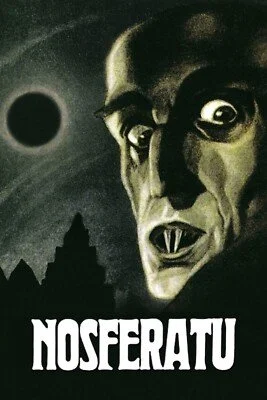
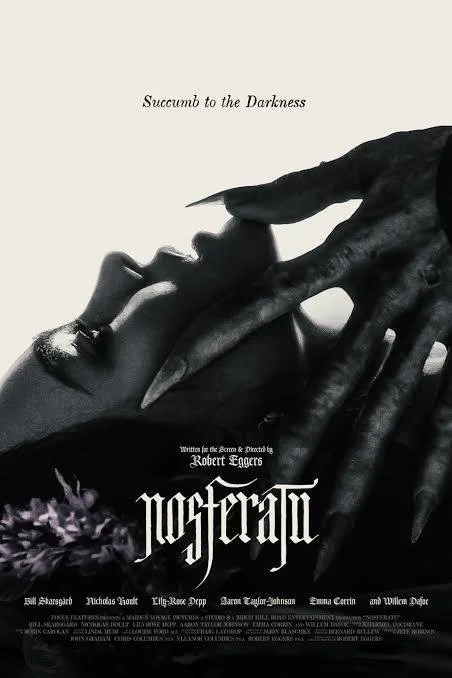
There is balance in how to create a Gothic romance without it coming off as a mockery of the genre. Most recently adapted was Nosferatu, and whether people like to admit it or not, it does a good job at creating its own version of the original work without straying so far from the source material. Robert Eggers showcases his ability to balance romance with the overwhelmingly dark gothic undertones throughout the entire film.
One thing I think is missing the most from Fennell's adaptation is the overall bleak tone from the original piece. Catherine is one of the originals of “haunting the narrative.” Spoiler alert for the people who have not read it yet: she dies halfway into the book, so Fennell is missing out on half of what makes Wuthering Heights, Wuthering Heights. That is not to say she is the only director who has missed out on Cathy haunting the narrative.
Adaptations have and always will exist in a space between the original meaning of a work and its interpretations. The director’s and writer’s perspective on what makes a final cut can truly make or break a piece. In modern times, it feels like directors are now only taking inspiration from the source material without fully understanding what it is itself.
Fennell did an excellent job showing different class structures and how it can affect a person and the people around them. However, the movie feels like a reaction to the book instead of an interpretation. It's easy to tune out the arguments you hear about Wuthering Heights if you have never read the book and you do not understand its meaning.
Some of the main frustrations about this film come from the gap between the interpretation and the execution. Fennell has a way with words and describes scenes with such clarity and precision you understand everything. On paper, her words are cohesive and compelling and make you want to read more, but in the execution of those words on screen, it can fall flat. There are ideas present, and you can see certain elements from the book peeking through, and yet other key parts are diminished or removed entirely.
Wuthering Heights has never been a conventional romance book nor does it give rise to that type of aesthetic. It describes the isolation and deeply dysfunctional relationships people can have within their livelihoods. It's a heavy-hitter and can be very uncomfortable at times to read. There is no attempt to make these characters conventionally appealing or legible to the reader and that is something missing from the movie. Everything is given to you. We know Healthcliff is poor, we know when he comes back, he'll want revenge, we know Cathy loves Heathcliff, and we know she misses him throughout all their time separated from each other. There's nothing left to interpret for the watcher since the watcher was spoon-fed everything.
This is where the interpretation overrides the intent behind the piece. This film clearly reflects Fennell's vision and does not fully engage with what describes Wuthering Heights; it feels somewhat of a sexual fantasy within a book of tragedy.
What We Should Understand
Different adaptations can be successful when not only those casting but those directing understand the origins of what they are trying to adapt to screen.
First, one must understand adaptations begin with identifying what can and cannot be altered in the piece to make it work. In a text like Wuthering Heights, elements like class and racial differences are not aesthetic details you can change, they are foundational to the original work. Removing or minimizing them does not modernize the narrative; it creates a faulty structure.
Second, casting directors need to take more accountability for who gets a part. This requires all parties (including the actors) taking responsibility to ensure the portrayal of characters is true to the source material's message. If casting can be formally recognized by institutions like the Academy, then it must also be held responsible for how its decisions are portrayed on screen.
Directors cannot only rely on the familiarity and nostalgia they have for the source material, they must also make sure the structure behind the adaptation makes sense. Without that distinction, your adaptation becomes a projection of what you want to see yourself. Personal interpretation is inevitable, that will never change, but it must also be balanced by the text to create a middleground.
Finally, when making adaptations, one must be willing to preserve the discomfort from the source material. Not all stories are meant to be accessible or easily consumable. To smoothen out certain elements for the sake of marketability is to remove the conditions that make the story itself. Adaptations succeed when they recognize the meaning is not only located within the textual plot alone but within the structures that shape it. When they are ignored, it becomes a reduction of what the author intended its impact to be.
List of books mentioned:
Wuthering Heights
Nosferatou
Children Of Blood And Bone
The Hunger Games
Carrie
Follow the author on all platforms @_prettyprincessk!