

A Savant Summer: Nonfiction Beach Reads
By Hanna Holman
Edited by Carly Zimmerman
Summer is the perfect time to be curious without the pressure of an assignment or personal deadlines. Giving yourself the opportunity to learn with no rules or expectations is when true understanding starts to form. Swap a typical beach read this summer for some nonfiction that is just as immersive and reflective! Here are 8 nonfiction books that will leave you yearning for just one more chapter—just like your favorite beach reads.
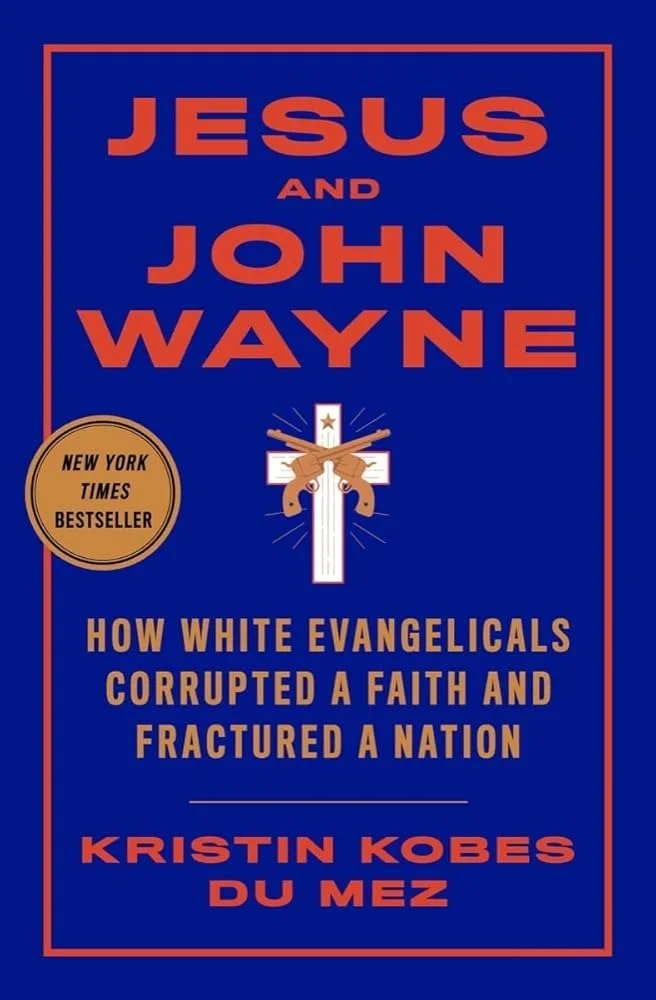
Jesus and John Wayne: How White Evangelicals Corrupted a Faith and Fractured a Nation by Kristin Kobes Du Mez
Kobes Du Mez’s 2020 analysis of evangelicalism and masculinity hit the shelves at the perfect time—our nation is hungry for answers. Not only is it thorough, unyielding, and academic; this novel will adequately prepare you for dinner-time conversations with seemingly dense external family members just in time for the fall holidays. Oftentimes, compassion comes with understanding. Jesus and John Wayne paints our nation’s rise to militant masculinity clearly enough that any reader can follow our trajectory from the early 20th century to Donald Trump.
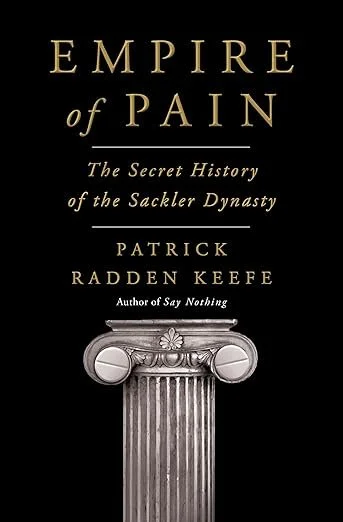
Empire of Pain: The Secret History of the Sackler Dynasty by Patrick Radden Keefe
The rise of the opioid epidemic can largely be traced back to one family—the Sacklers of Purdue Pharma. Radden Keefe completes a feat of investigative journalism with Empire of Pain, following the Sackler rise to billions, from the early 1900s to their 21st century legal battles. Even though this novel is packed with familial drama, secret monetary stashes, and shady business practices,Empire of Pain is profoundly sad, and Radden Keefe does a spectacular job of highlighting the true evil Purdue Pharma left in its wake.
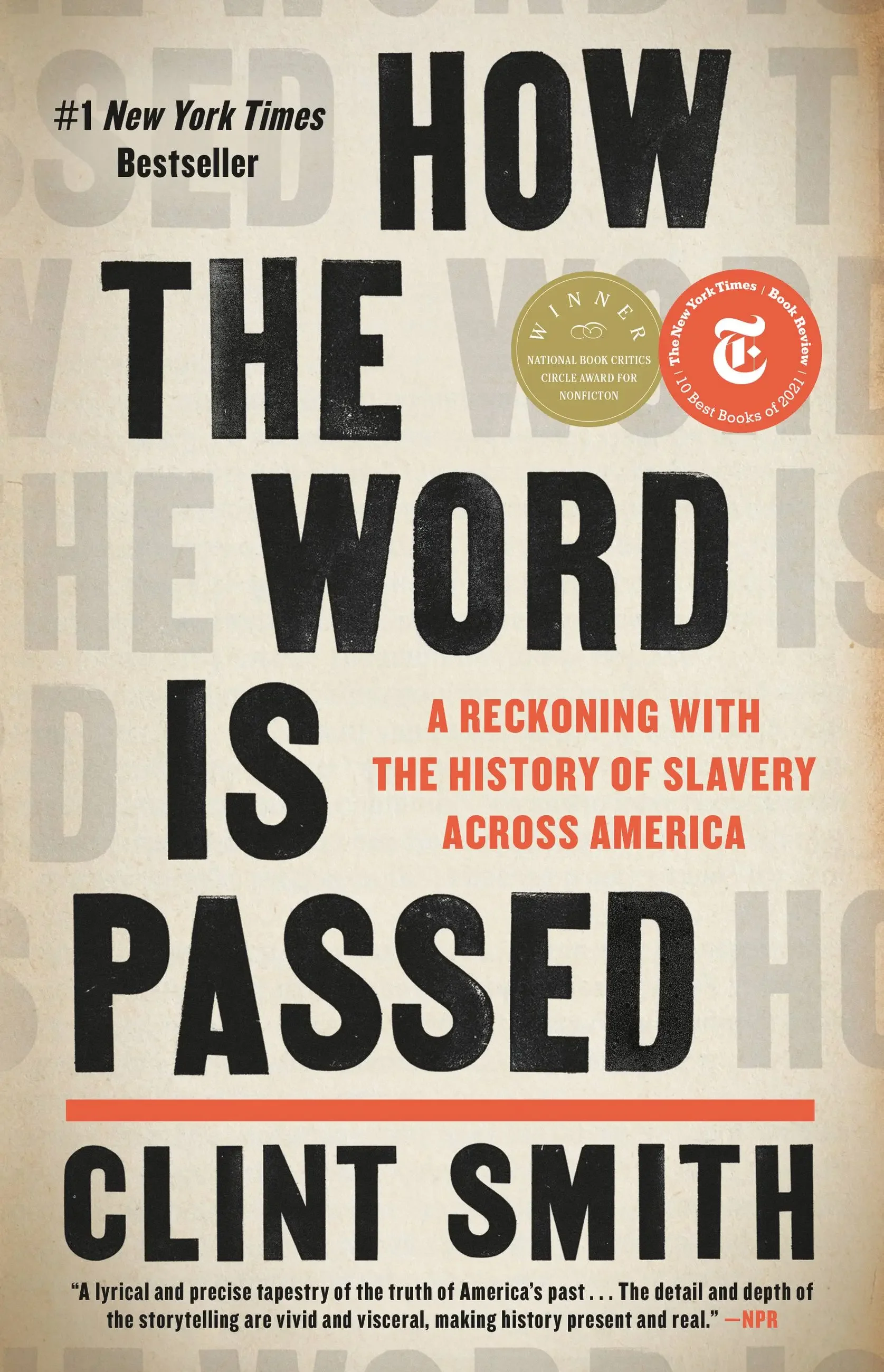
Smith’s roots in poetry are on display in this genre-bending trek into the past. Smith, a Black American, visits sites deeply-connected with slavery, like plantations and prisons, but also ostensibly mundane places like New York City and cemeteries. Each journey, each site, carries a different glance into the horrors of slavery, but connects Smith to the greater picture of what being a Black American means. This book is scathing, emotional, and promotes deep compassion—readers feel like they are next to Smith as he dives into the past, however terrifying.
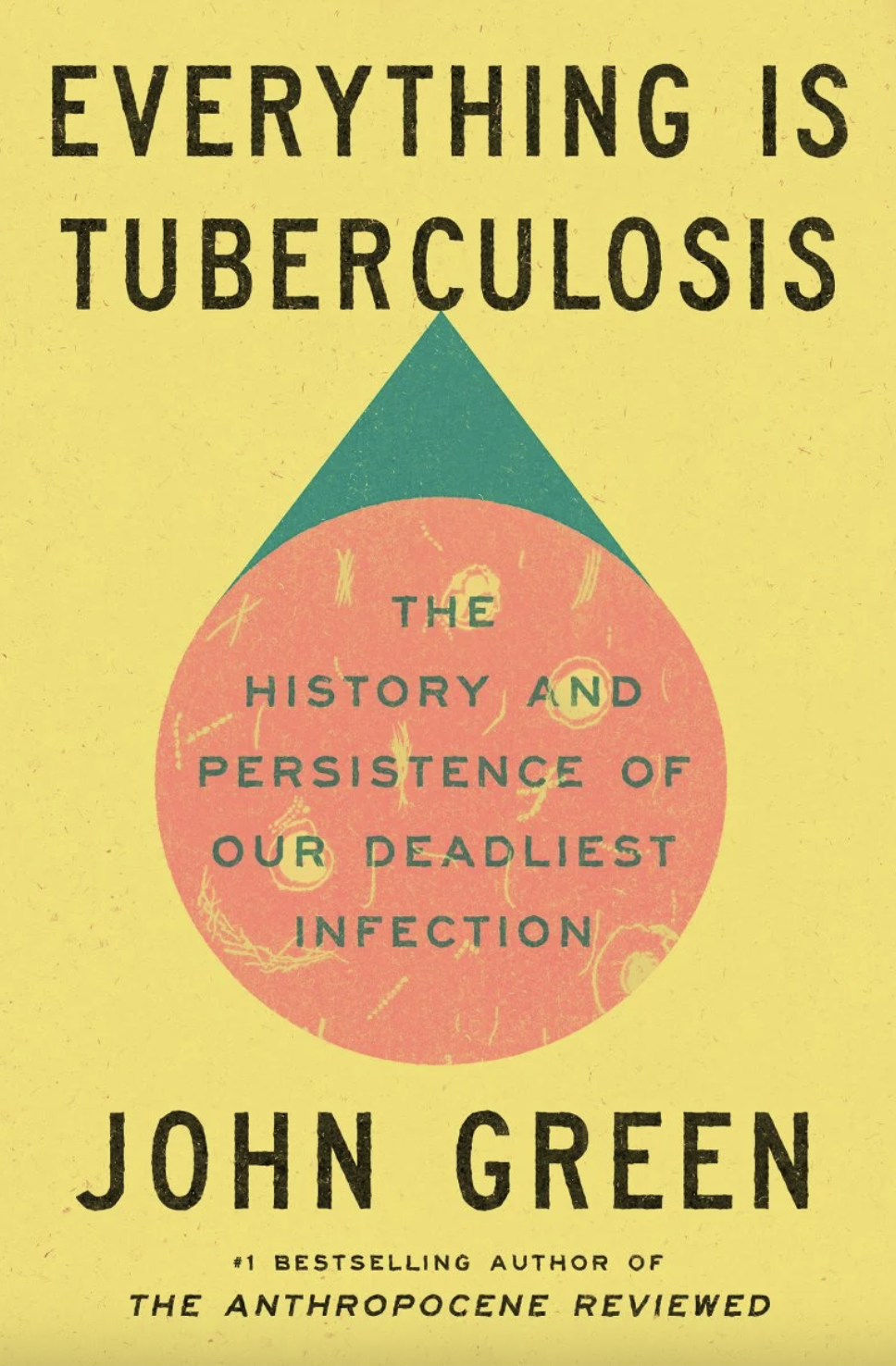
Everything is Tuberculosis: The History and Persistence of Our Deadliest Infection by John Green
Tuberculosis (TB) is something that hardly crosses American minds. Beginning Everything is Tuberculosis, you don’t expect the title to be quite so literal, but our entire world was shaped by tuberculosis, and the disease is still orchestrating lives today. The anchor of this novel is Henry, a young tuberculosis patient living in Sierra Leone. Green met Henry on a 2019 trip to Sierra Leone, and dedicated the next few years of his life learning about TB and advocating for people like Henry. This book is a touching call to action, it urges readers to look inwards and externally at how tuberculosis is portrayed in the media, and why medical access abroad is so limited.
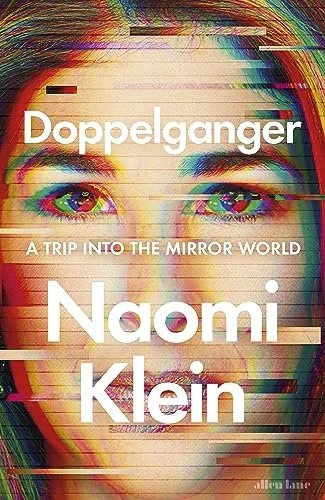
Doppelganger: A Trip into the Mirror World by Naomi Klein
Canadian anti-capitalist author and activist Naomi Klein has been publishing nonfiction about feminism and capitalism for decades. So, imagine Naomi’s surprise when she logged onto Twitter to find herself being cancelled for . . . conservative rhetoric? People online had confused Naomi Klein and Naomi Wolf, two white Jewish women who were writers in the 90s. Whatever conspiracy Naomi Wolf was screaming into the void was being accredited to Klein.
This book is not structured like Klein's others with a traditional thesis argument. Doppelganger is a winding memoir-like narrative, exploring the modern, technological world we live in. A world where conspiracy theories are giving intellectual energy, where misinformation spreads like wildfire, and where real people live behind the screens.
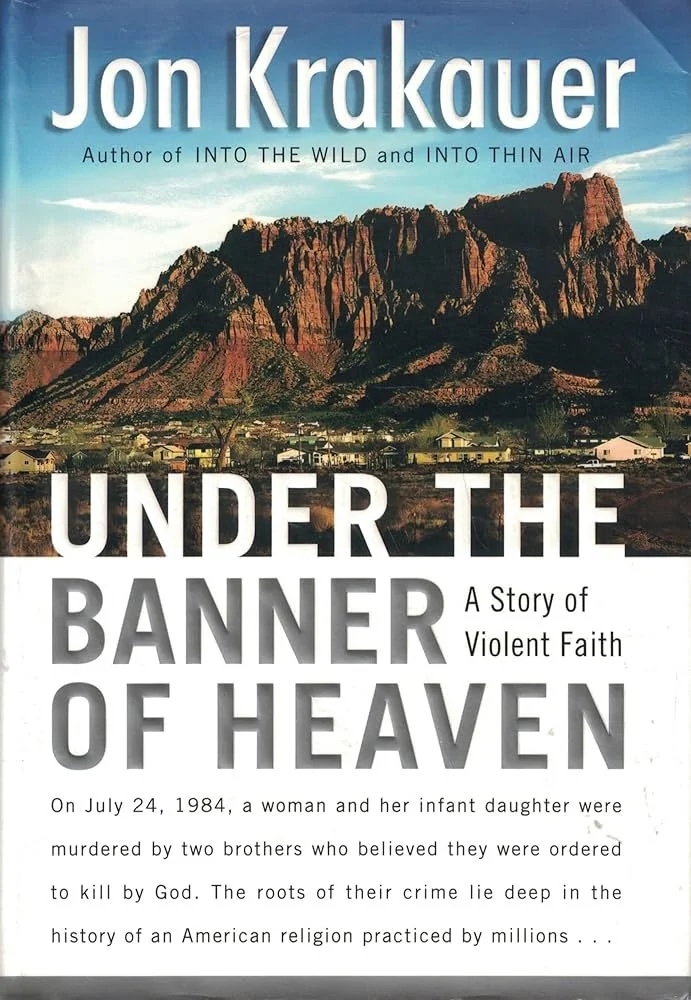
Under the Banner of Heaven by Jon Krakauer
Krakauer is a modern legend in investigative journalism. In Under the Banner of Heaven, he juxtaposed two histories: the origin and evolution of The Church of Jesus Christ of Latter-day Saints (LDS) and a 1984 double murder committed by LDS fundamentalist brothers. LDS fundamentalists remain committed to the core values of early 20th century Mormonism, like polygamy and misogyny.
The book opens with the murder of Brenda Lafferty and her infant daughter Erica. Krakauer then explores the history of Mormonism, starting with the early life of Joseph Smith, founder and first prophet of the Latter Day Saint movement, and analyzing the subsequent conflicts between the LDS church and the United States government. He asks the question, why does religion go hand-in-hand with violence?, by examining the birth of history's most recent wide-spread religion.
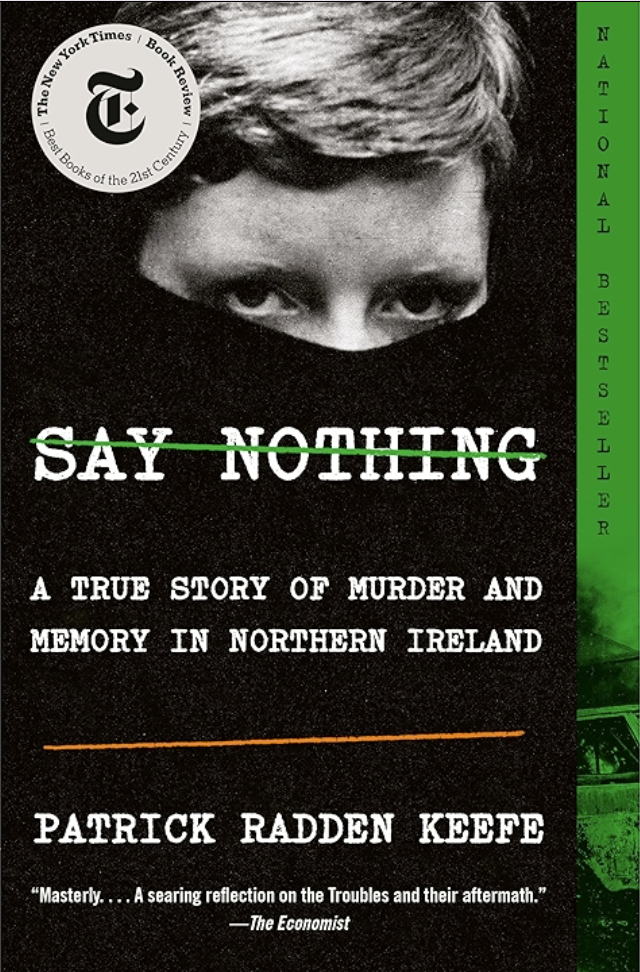
Say Nothing: A True Story of Murder and Memory in Northern Ireland by Patrick Radden Keefe
The Troubles of Northern Ireland were hardly well-detailed in the history books. The unionist Irish Republican Army (IRA), held secrecy and loyalty to the cause above all else . . . that was until the 2000–2006 Belfast Project at Boston College. After reading an obituary of Dolorus Price, Radden Keefe began a deep dive into the Belfast Project, the IRA, and the Troubles at large. By delving into the lives of Dolours and Marian Price, Brendan Hughes, Gerry Adams, and Jean McConville and her children, a complicated story of loyalty, murder, and reflection begins to emerge. It weighs the age old question: Do the ends justify the means?
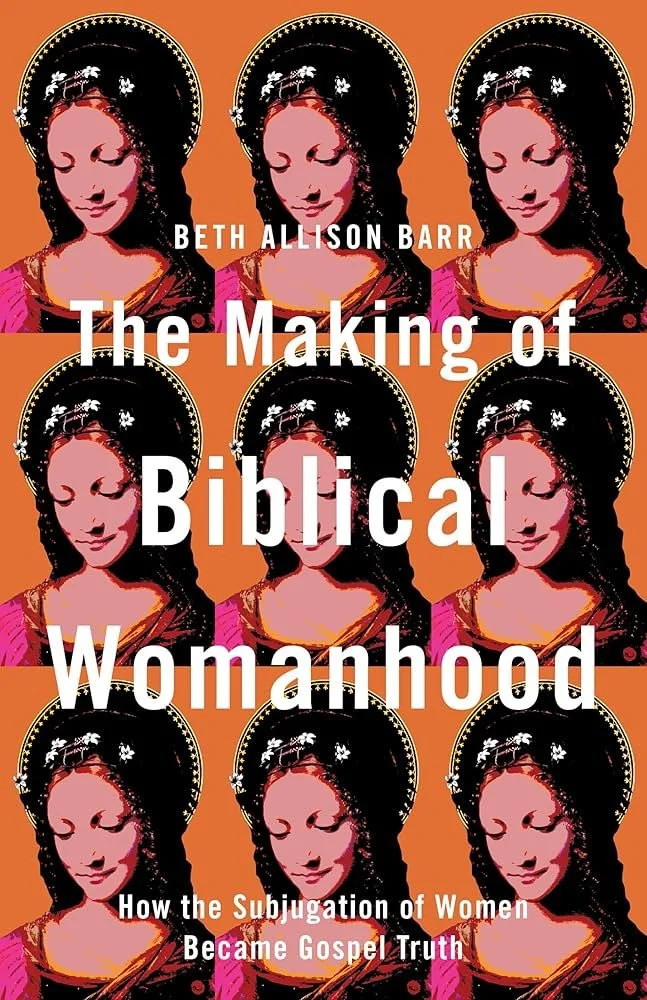
The Making of Biblical Womanhood: How the Subjugation of Women Became Gospel Truth by Beth Allison Barr
Christian historian Beth Allison Barr’s 2021 book argues that although patriarchy is a part of Christian history, that doesn't make patriarchy Christian. By examining the Bible, Barr shows that complementarianism is a recent development inconsistent with the historic roles of women in the church. Barr’s thorough analysis, historical context, and experience as a Baptist pastor’s wife paints a clear picture that biblical womanhood is more about human power structures than the message of Christ. This book moves the conversation about womanhood into the realm of ancient and medieval history, to show that subjugation is not divinely ordained, but a debilitating, outdated product of human civilization.
Nonfiction has the stereotype of being depressing, but if you read it in the summer . . . at least the sun’s out! Seriously though, there is no better time to get into nonfiction, challenge your own personal biases, and focus on life-long learning than in the summer when life is slower. Curiosity leads to immersion, and immersion leads to understanding. Don’t get me wrong, I love fiction. But sitting down with an academic nonfiction book, something with an argument, makes me feel empowered to make informed decisions, equipped to be an effective citizen, and helps me resist misinformation. Maybe it will help you too.
P.S. Can you tell I have religious trauma from these titles?