

AANHPI Memoirs that Deserve the Spotlight
By Hanna Holman
Edited by Emily Quintanilla
May is AANHPI Heritage Month—a time to celebrate, learn about, and uplift Asian American, Native Hawaiian, and Pacific Islander voices. This month is the perfect opportunity to center AANHPI lived experiences with a memoir.
Memoirs have a way of cutting through the noise—no plot devices, no fantastical beings . . . just a tender, intimate look at the way others’ lives have unfolded. They bring us closer to the quiet, complicated truths of identity and memory, and they bring us closer to each other.
In honor of AANHPI Heritage Month, this reading list recommends 12 different memoirs from AANHPI authors whose stories span from coming-of-age friendships, grappling with loss, or the weight of societal stereotypes.
My Recommendations
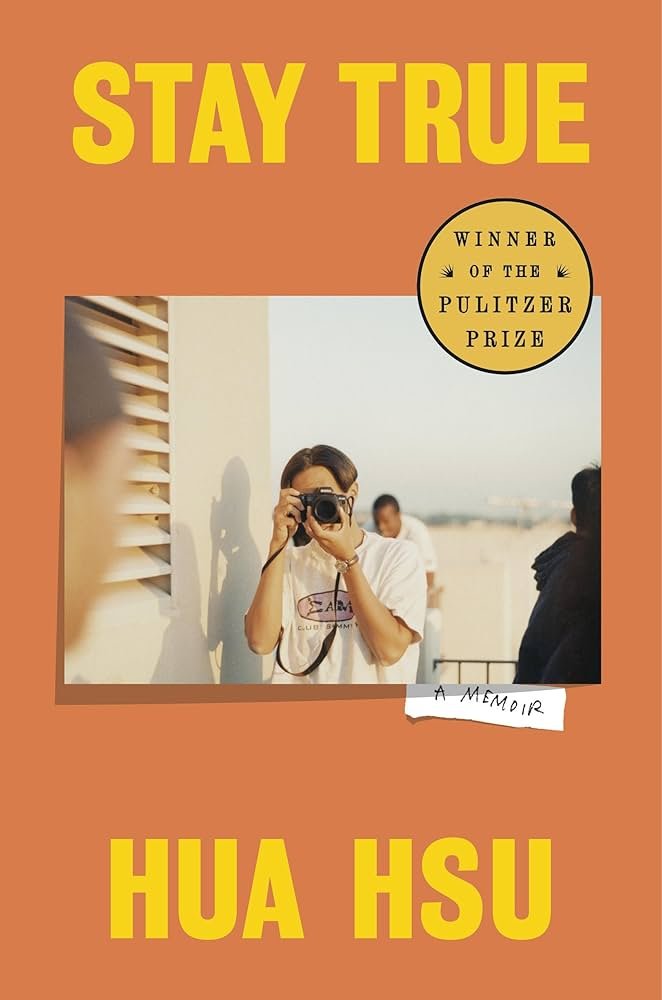
Stay True by Hua Hsu
The 2023 Pulitzer Prize-winning memoir, Stay True, focuses on Hsu’s time at the University of California, Berkeley, coming of age as a Taiwanese American in the 1990s.
Hua’s indie interests and amateur photography are juxtaposed against fellow student Ken Ishida’s mainstream ideals—shopping at Abercrombie & Fitch, joining a fraternity, and uncomplicated socializing. The child of Taiwanese immigrants, Hsu frequents record shops, makes zines in his free time, and quietly resents (admires?) Ken’s seemingly simple assimilation into American college life. Ken, whose Japanese American family has been in the United States for generations, seems to breeze through young adulthood.
Despite their seemingly dichotomous personalities, the two become close friends through late-night conversations and chain-smoking cigarettes—I mean, it was the 90s—and realize they have more in common than meets the eye. Hua and Ken come to the messy conclusion that, however they act, whomever they’re around, American culture doesn't really feel meant for them.
After a senseless and shocking tragedy, Hsu turns to writing to process their coming of age. His friendship with Ken and their college memories seem best explored through art—turning tragedy into a philosophical search for meaning, connection, and self.
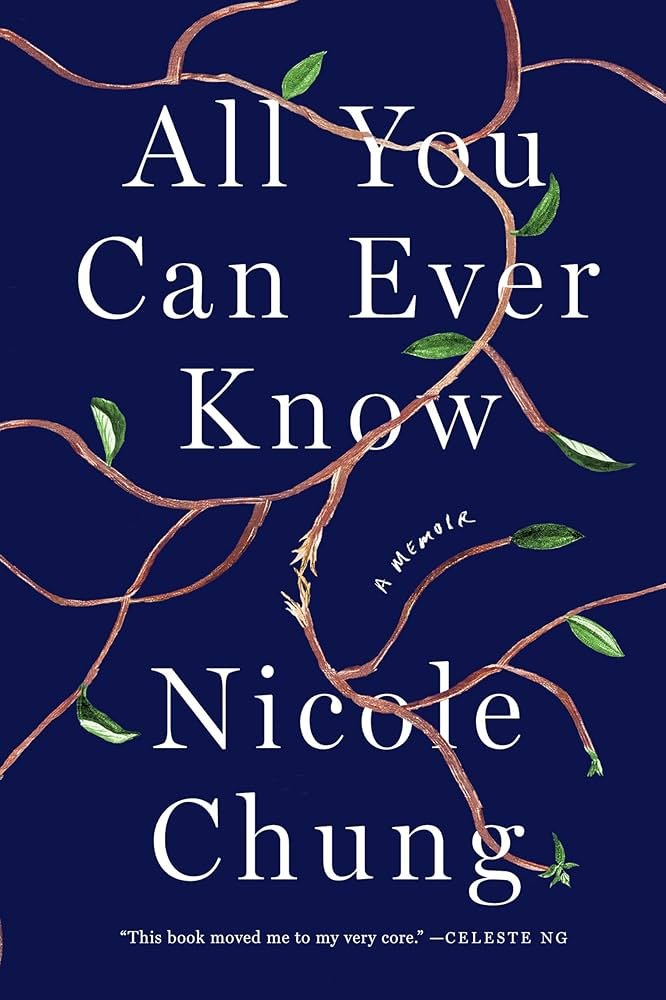
All You Can Ever Know by Nicole Chung
In her 2018 memoir, All You Can Ever Know, Nicole Chung recounts her search for acceptance and belonging after being given up for adoption by her Korean immigrant birth parents.
Born prematurely, Chung was placed for adoption and subsequently adopted by a sheltered white family from Oregon. Although her adoptive parents doted on her and she was always cared for, Chung hardly encountered other Asian Americans and doubted her ability to belong. Growing up, she always harbored complicated feelings about her adoption—did her birth parents love her?Would they have given her up if they knew she would be raised by a white family? Do they ever think about her?
After becoming pregnant with her own child, Chung could no longer look away from her past. She trepidatiously began a search for her own history, to finally piece together her life before becoming a mother herself—even if what she finds isn’t at all what she’d dreamed of.
Told in matter-of-fact and lingering prose, this memoir reads like Chung is confiding in you, as though she is a close friend yearning for understanding. From curiosity to inundation, inundation to sadness, and sadness to acceptance, this story is a complicated journey of healing and self-discovery.
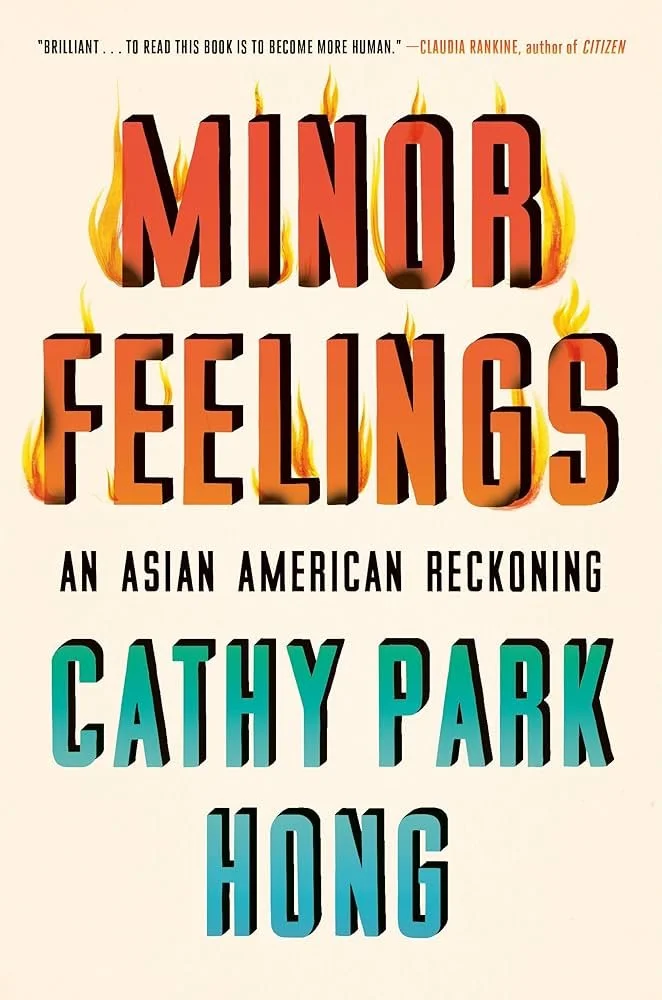
Minor Feelings by Cathy Park Hong
Published in 2020, Cathy Park Hong’s Minor Feelings is an autobiographical collection of essays, diving into Hong’s life experience as the daughter of two Korean immigrants.
Riddled with cultural criticism, history, and references to art, Hong’s memoir is the perfect marriage of analysis and heart. Many of the stories from her own life take place at Oberlin College, where she reflects on the complicated relationships that often go hand in hand with growing up.
All the intersectional stories Hong recounts support her main theory: ‘minor feelings’ occur when American optimism and the American dream contradict your lived experiences. The impact of racial stereotypes and sugar-coated histories is palpable, as Hong masterfully weaves between poetry and prose, using her and her family’s own stories and observations as a vehicle to examine racial consciousness in the United States.
Minor Feelings will have you annotating every page—with every turn comes a revelation.
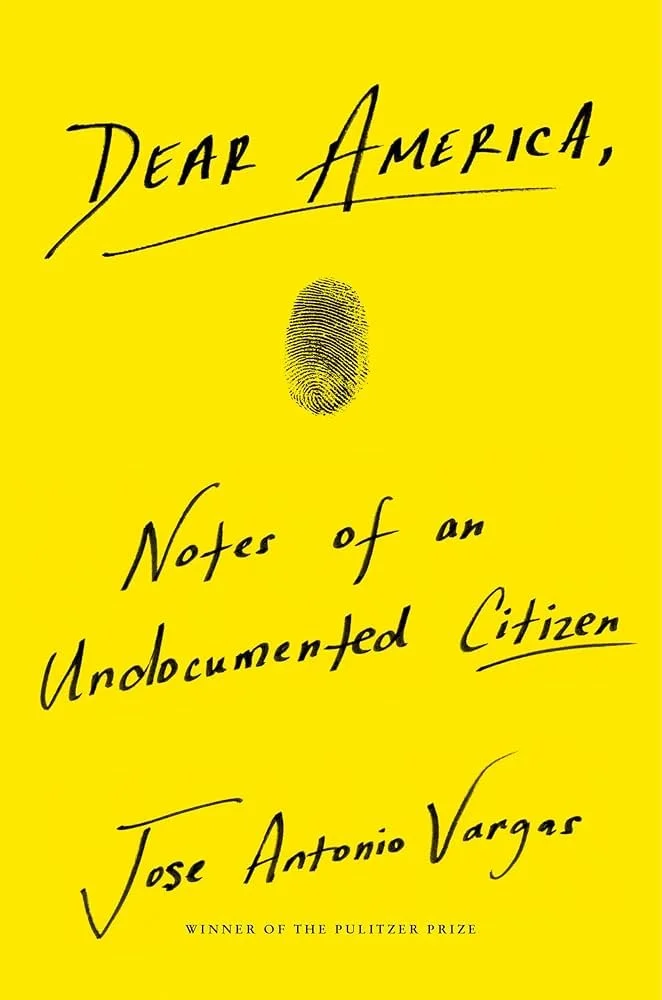
Dear America: Notes of an Undocumented Citizen by Jose Antonio Vargas
Jose Antonio Vargas is a Filipino American journalist who, in 2008, was a part of The Washington Postteam that won the Pulitzer Prize for Breaking News Reporting. Vargas made headlines once again when he revealed his status as an undocumented immigrant in a 2011 New York Times Magazine essay and was subsequently hailed “the most famous undocumented immigrant in America.”
Years later, his 2018 memoir, Dear America: Notes of an Undocumented Citizen, recounted how he was brought to the United States from the Philippines by family at the age of 12, and not realizing he was undocumented until his teenage years.
The memoir dives into the gritty and unmooring details of not legally belonging to the place in which you call home. It’s packed with the legal logistics of immigration (which American citizens should know), but it’s more about the psychological state that undocumented people must endure.
In Vargas’ own words, “This book is about lying and being forced to lie to get by; about passing as an American and as a contributing citizen; about families, keeping them together, and having to make new ones when you can’t.”
Because of Vargas’ masterful reporting skills, this memoir captures all the nuance between the beauty of migration and the brutality of the system in which it functions.
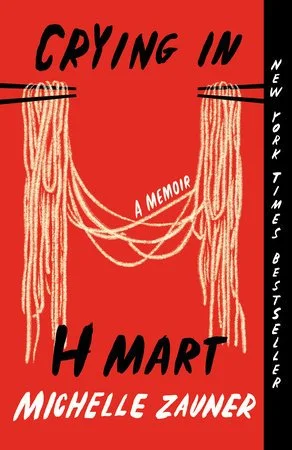
Crying in H Mart by Michelle Zauner
A memoir packed with tenderness, resilience, food, and grief, Michelle Zauner’s 2021 Crying in H Mart, is an intricate look at how her Korean mother’s terminal cancer diagnosis forced an evaluation of their relationship.
As Zauner grew up, the chasm between her and her mother widened. The two didn’t understand each other; at times, her mother was harsh, she had high expectations, and, growing up in the United States, Michelle and her mother faced cultural divides. But when confronted with the anticipatory anxiety of her mother’s impending departure, Zauner turned to Korean food as a vehicle to process her grief. Traditional Korean food was one of the things they could use to connect to each other and their heritage.
Crying in H Mart is a raw, honest, and nuanced look at family, how Zauer mourns and processes her grief, and the cathartic experience that comes with accepting it.
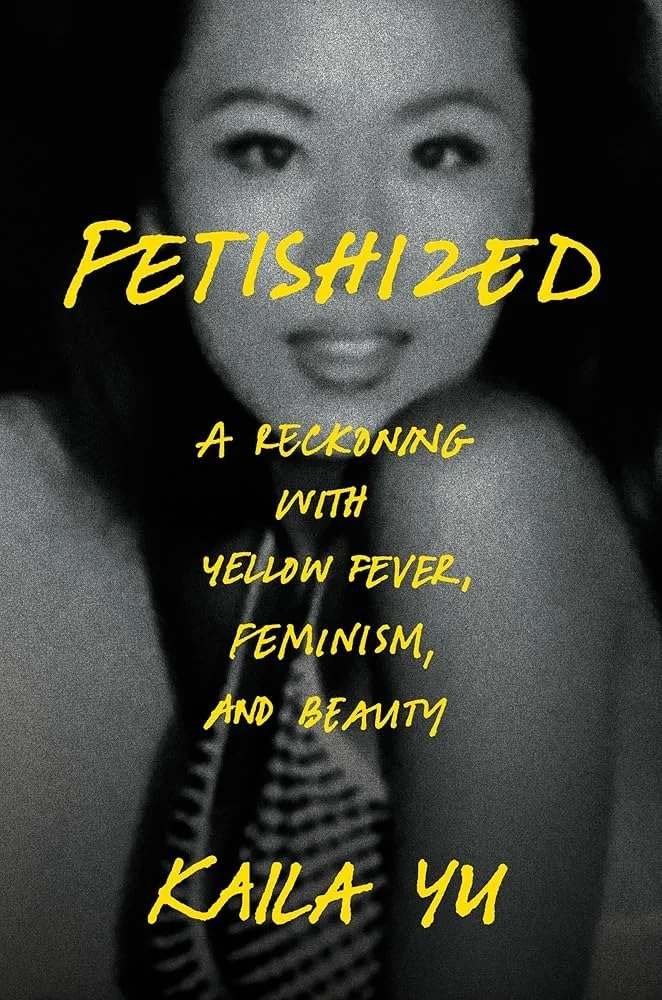
Fetishized:A Reckoning with Yellow Fever, Feminism, and Beauty by Kaila Yu
Kaila Yu, a Taiwanese American former model and musician, turns to writing with Fetishized as she processes and unlearns the overtly sexual and submissive stereotypes of Asian women in American media.
This memoir is written in multiple essays exploring feminism, history, sexuality, beauty, and Yu’s own life. It’s unflinching when analyzing the roles pop culture and colonialism play in shaping and upholding the destructive stereotypes about Asian women and their bodies.
From Memoirs of a Geisha to pin-up icon Sung-Hi Lee, Yu reflects on the media that influenced how she values herself and her body, especially as a young model in the 90s and early 2000s.
Yu delicately shares her experiences in the pinup and import modeling industry, how those experiences relate to her childhood as an Asian American girl, and, ultimately, how she reclaimed her power. At its core, Fetishized is an intimate personal journey of healing and reflection through history and analysis, but it’s also a scathing look at the fallout of objectification.
On My TBR
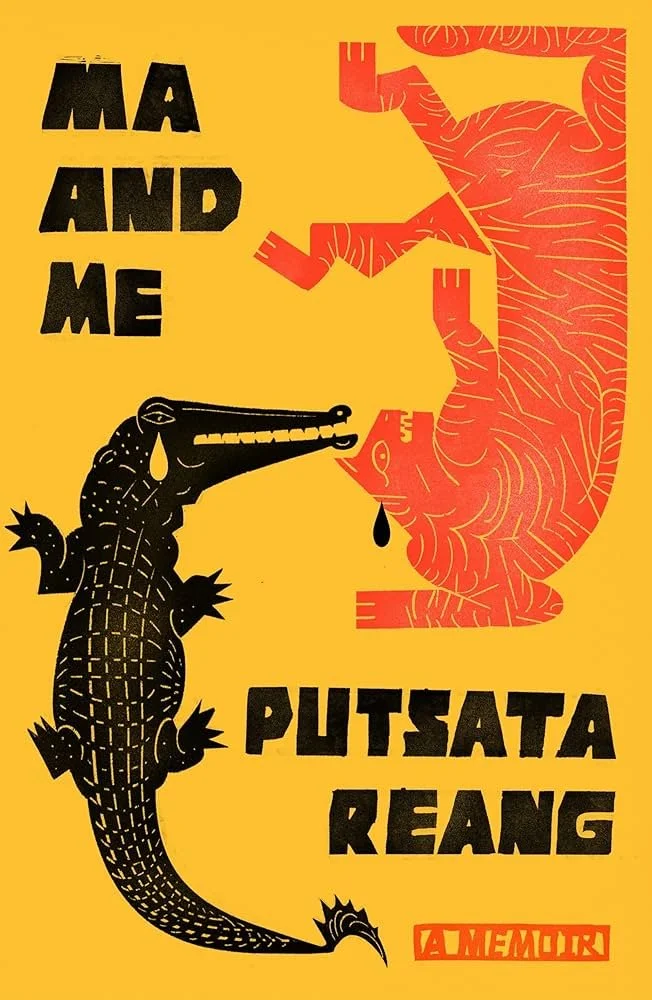
Ma and Me by Putsata Reang
“When Putsata Reang was 11 months old, her family fled war-torn Cambodia, spending 23 days on an overcrowded navy vessel before finding sanctuary at an American naval base in the Philippines. Holding what appeared to be a lifeless baby in her arms, Ma resisted the captain's orders to throw her bundle overboard. Instead, on landing, Ma rushed her baby into the arms of American military nurses and doctors, who saved the child's life” (Goodreads).
I have a soft spot for memoirs by journalists, studying journalism myself in college. Putsata Reang is a successful award-winning journalist, so I know this memoir will be well-written. The hook of this book for me though is, at the age of 40, Reang telling Ma she is getting married . . . except she’s getting married to a woman.
I hope this read will be an intense and startling exploration of inherited political trauma and the weight of cultural and familial duty, especially for a queer person.
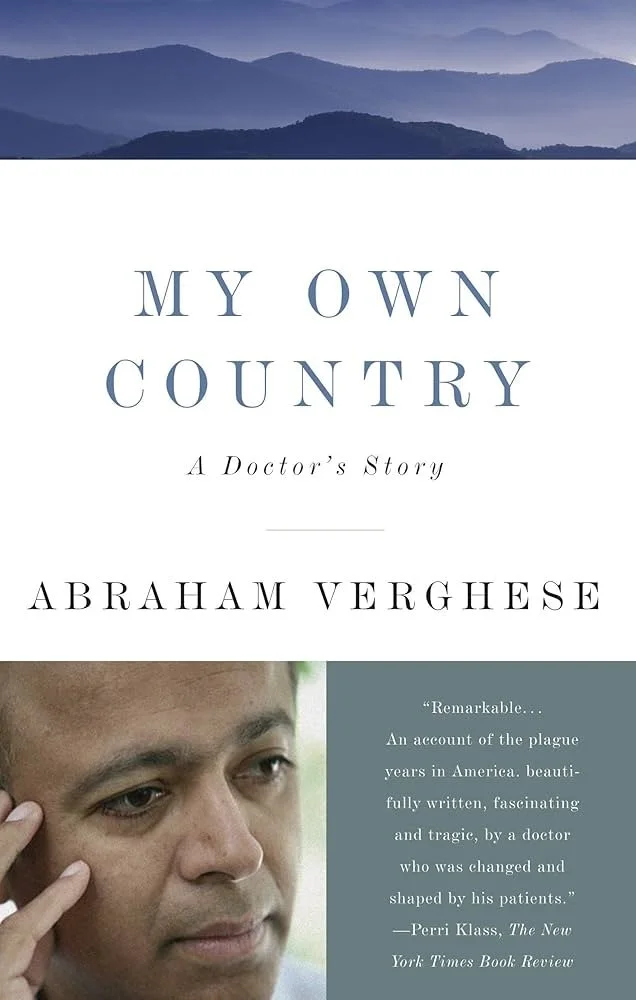
My Own Country: A Doctor's Story by Abraham Verghese
“Nestled in the Smoky Mountains of eastern Tennessee, the town of Johnson City had always seemed exempt from the anxieties of modern American life. But when the local hospital treated its first AIDS patient, a crisis that had once seemed an urban problem had arrived in the town to stay. Working in Johnson City was Abraham Verghese, a young Indian doctor specializing in infectious diseases . . . Dr. Verghese became by necessity the local AIDS expert, soon besieged by a shocking number of patients whose stories came to occupy his mind, and even take over his life” (Goodreads).
Medical nonfiction has always interested me. At times, the medical field can seem so far away and abstract. However, reading about discoveries in science and research helps me feel more empowered within my own body, and, furthermore, I’m more equipped to offer empathy when medical emergencies occur in others’ lives.
I’ve never read nonfiction about HIV/AIDS, and it’s a topic I’m trepidatiously interested in. I think Verghese’s story will leave me with a greater understanding of how AIDS affects not only the patients, but the doctors responsible for offering people with AIDS support and care.
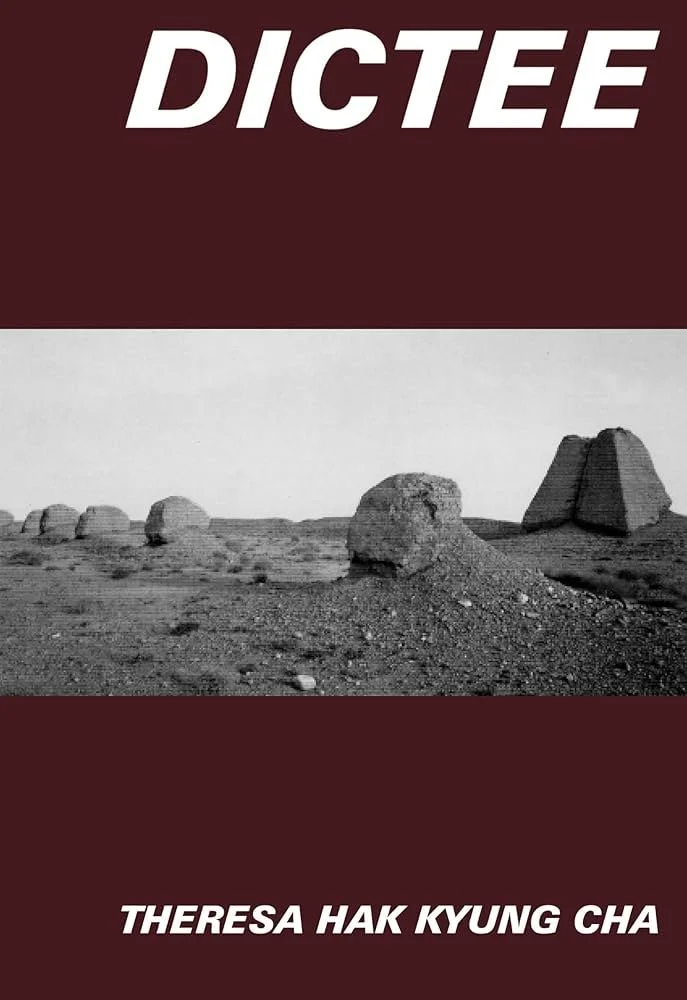
Dictee by Theresa Hak Kyung Cha
“Dictee is the best-known work of the versatile and important Korean American artist Theresa Hak Kyung Cha. A classic work of autobiography that transcends the self, Dictee is the story of several women: the Korean revolutionary Yu Guan Soon, Joan of Arc, Demeter and Persephone, Cha's mother Hyung Soon Huo (a Korean born in Manchuria to first-generation Korean exiles), and Cha herself. The elements that unite these women are suffering and the transcendence of suffering. The book is divided into nine parts structured around the Greek Muses. Cha deploys a variety of texts, documents, images, and forms of address and inquiry to explore issues of dislocation and the fragmentation of memory. The result is a work of power, complexity, and enduring beauty” (Goodreads).
Dictee is referenced often in Minor Feelings by Cathy Park Hong. My experience is usually that if I enjoyed a book, I will enjoy its source material. Dicteewas a large piece of Hong’s analysis of her place in the world as an artist, and this abstract, winding memoir has piqued my interest. It also doesn’t appear to be widely read, which is always intriguing—like a small sliver of history I’m privy to.
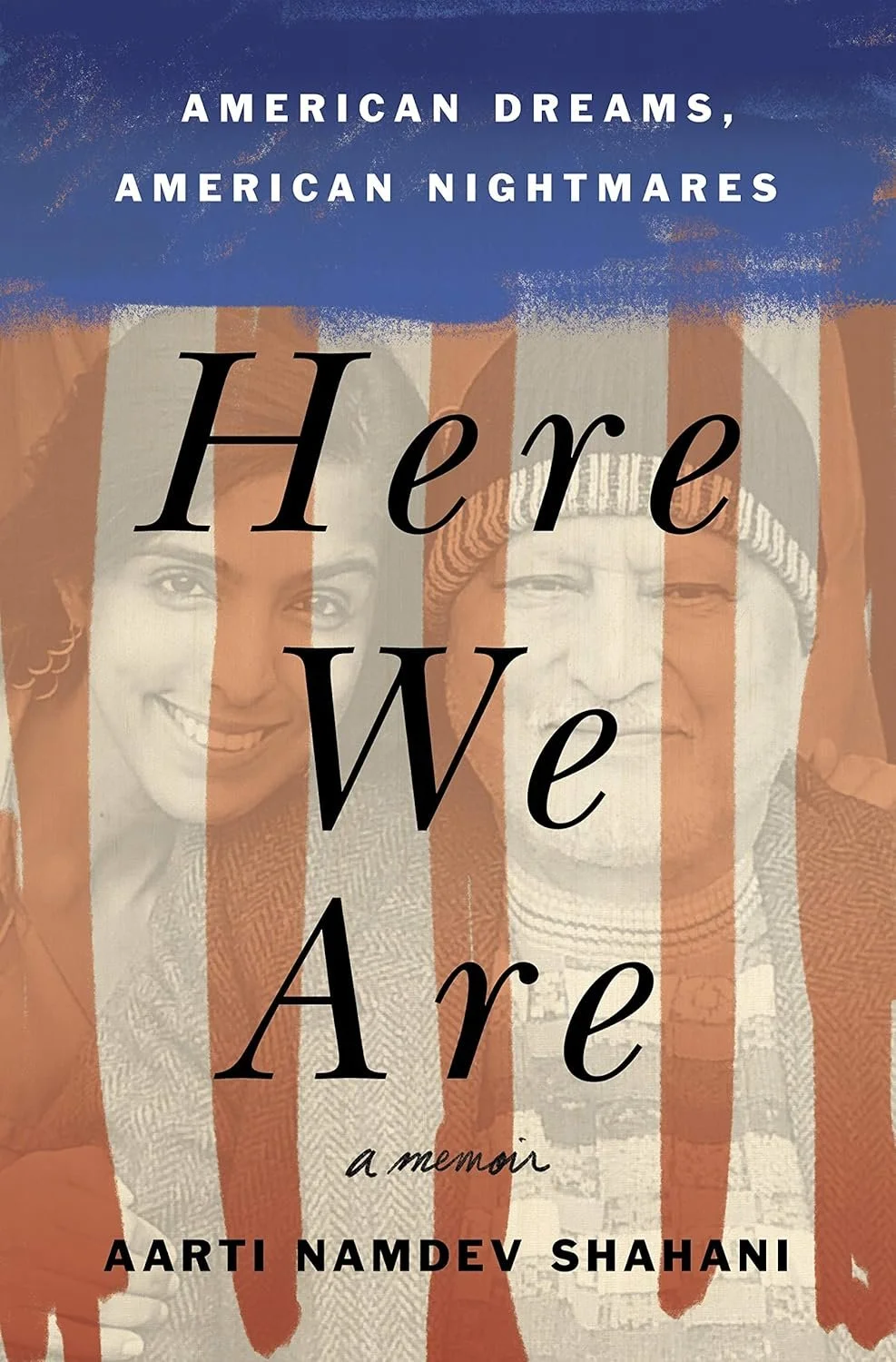
Here We Are: American Dreams, American Nightmares by Aarti Namdev Shahani
“Comedic female rage meets father-daughter love story in this big-hearted migrant adventure set in Queens, New York. Teenage Aarti wants to go clubbing, hook up with boys and get into Harvard. Her dad—the dating and dancing police—is her archnemesis. When he gets arrested for selling calculators to a drug cartel, the two discover they’re more alike than they think. From NPR correspondent Aarti Namdev Shahani, Here We Are is a memoir at once thrilling and grounding, deeply tragic and bursting with hope” (Goodreads).
Another memoir by a journalist—sign me up! As an avid NPR and memoir consumer, Here We Areby Aarti Namdev Shahani seems right up my alley. Many memoirs I gravitate towards lean excruciatingly sad, so “comedic female rage” could be a nice change of pace in my reading history.
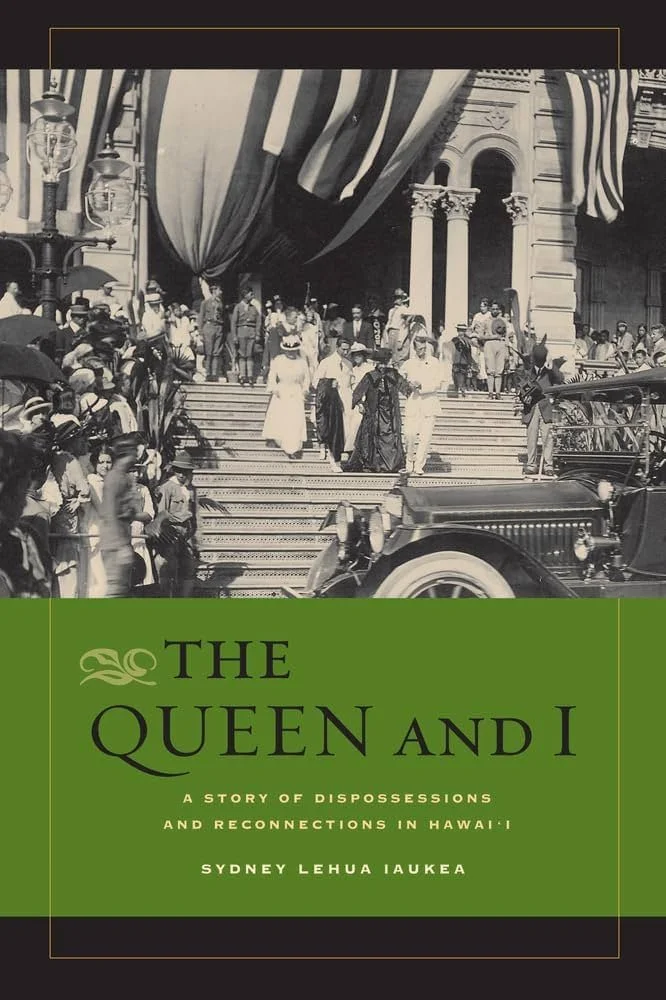
The Queen and I: A Story of Dispossessions and Reconnections in Hawai'i by Sydney Lehua laukea
“In this exposé, Sydney L. Iaukea ties personal memories to newly procured political information about Hawaiʻi'’s crucial territorial era. Spurred by questions surrounding intergenerational property disputes in her immediate family, she delves into Hawaiʻi's historical archives. There she discovers the central role played by her great-great-grandfather in the politics of late nineteenth- and early twentieth century Hawaiʻi—in particular, Curtis P. Iaukea's trusted position with the Hawaiian Kingdom's last ruling monarch, Queen Liliuokalani” (JSTOR).
The Queen and I is extremely intriguing to me—it’s pitched as an investigative discovery shrouded in political history. I am also not super familiar with Hawai’i’s history, besides the basics they teach in school (which probably doesn’t even scratch the surface), so this seems extremely necessary to read in the coming years, especially as an American.
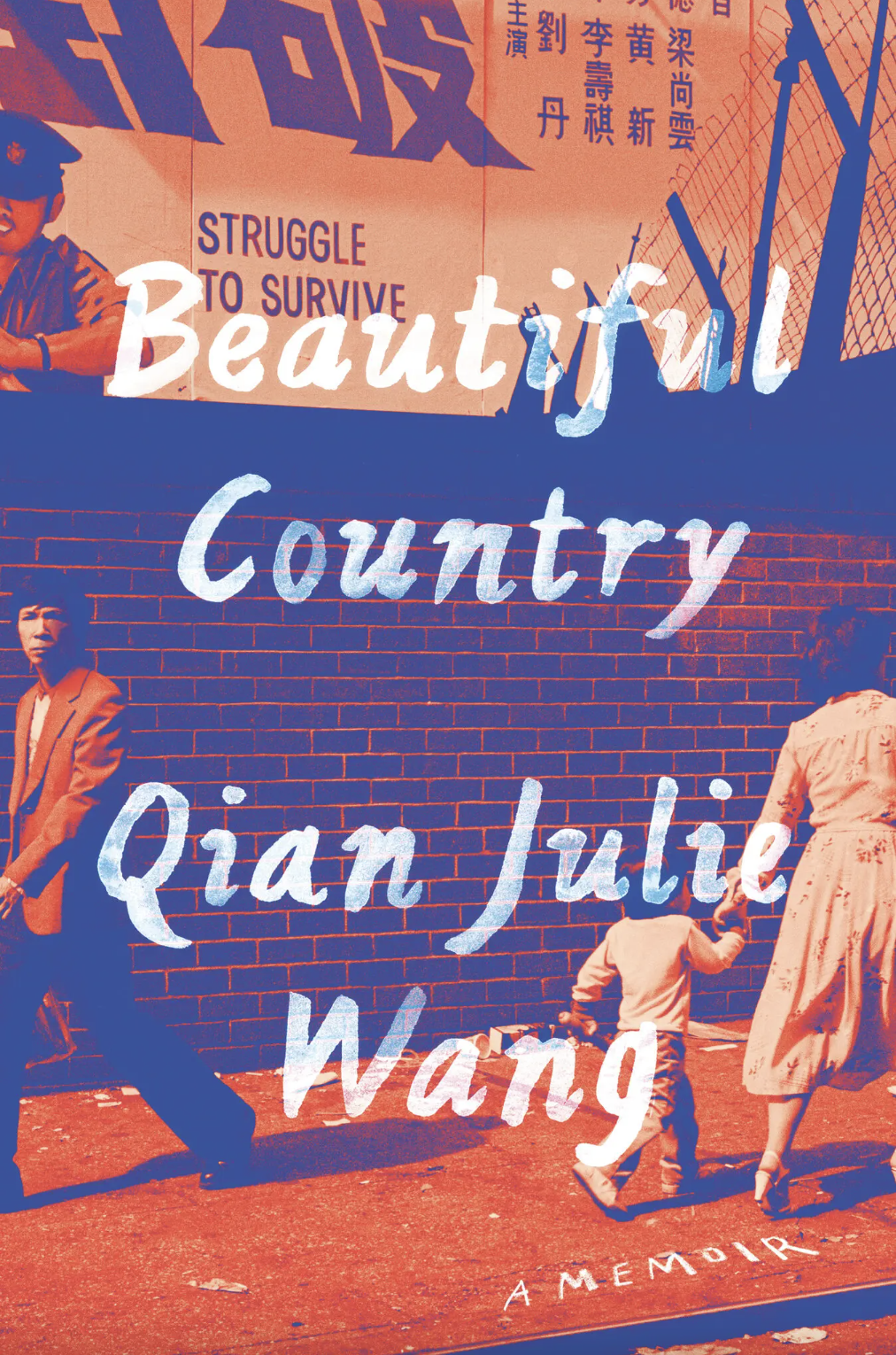
Beautiful Country by Qian Julie Wang
“In Chinese, the word for America, Mei Guo, translates directly to ‘beautiful country.’ Yet when seven-year-old Qian arrives in New York City in 1994 full of curiosity, she is overwhelmed by crushing fear and scarcity. In China, Qian’s parents were professors; in America, her family is ‘illegal’ and it will require all the determination and small joys they can muster to survive.
Inhabiting her childhood perspective with exquisite lyric clarity and unforgettable charm and strength, Qian Julie Wang has penned an essential American story about a family fracturing under the weight of invisibility, and a girl coming of age in the shadows, who never stops seeking the light” (Bookshop.org).
I think my favorite book on this list is Dear Americaby Jose Antonio Vargas. Not only was it emotional and moving, but also because I learned so much about being undocumented in the United States. Beautiful Country seems like the natural progression of my personal curriculum, and I owe it to my neighbors to continue my education around immigration.
This memoir caught my eye from the first sentence of its logline—In Chinese, the word for America, Mei Guo, translates directly to “beautiful country.” I could really benefit from a shift in perspective about the US. I want to find it beautiful again. Maybe Qian Julie Wang can help me.
These memoirs offer more than just personal histories; each book adds something meaningful to a broader conversation. Memoirs cultivate empathy and reflection, and these recommendations often pair well with fiction too! As AANHPI Heritage Month reminds us to listen and learn, these works provide a powerful place to begin and then return to, even after May ends.