

Horror, Hauntings, and History
The Literary World of Isabel Cañas
By Stephanie Candelario Santiago
Edited by Carly Zimmerman
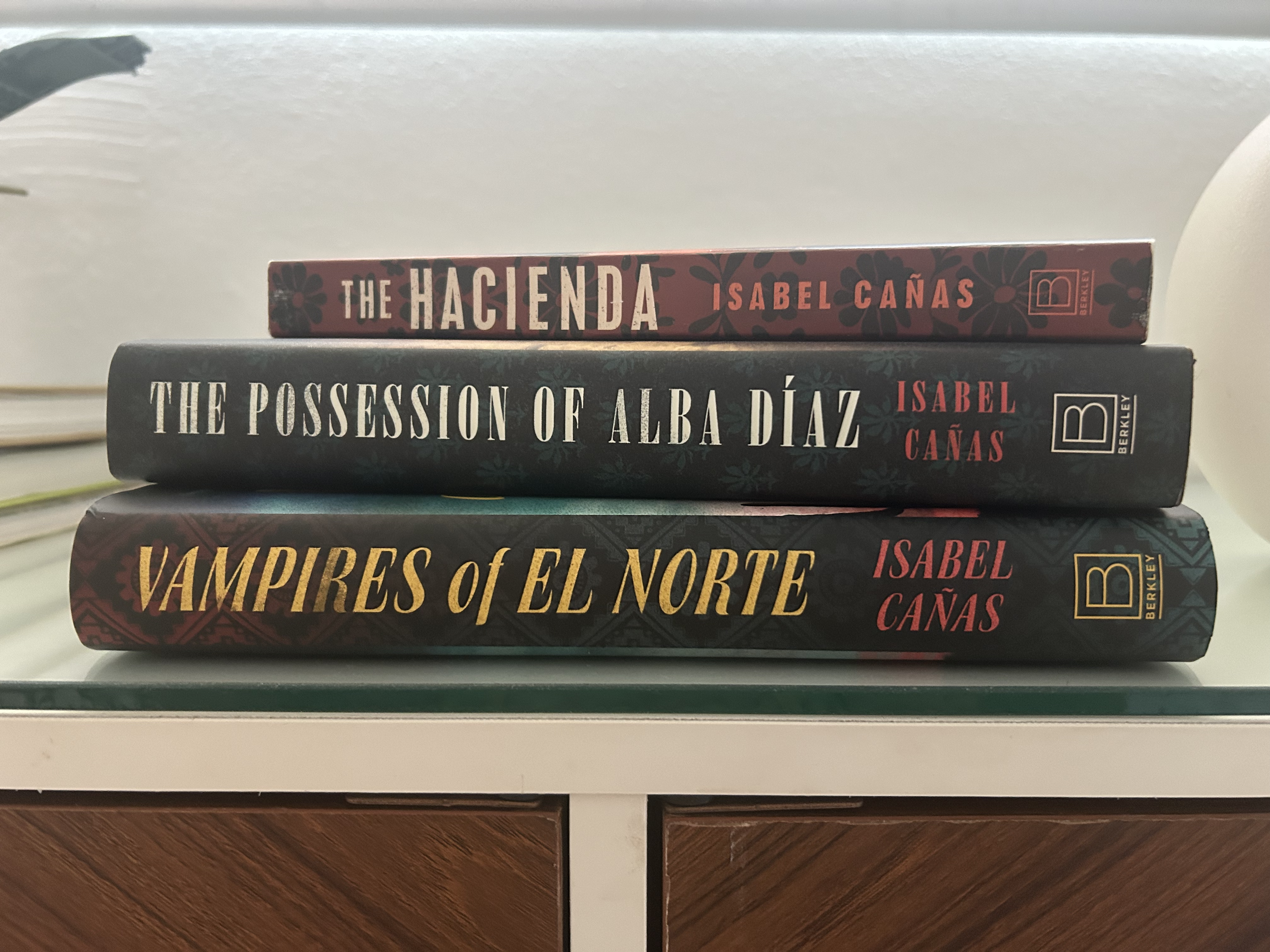
I’ve always been the type of person that scares easily. I’ve never had the capacity to stomach any level of horror and was actually the kid that got scared by some of Disney Channel’s famous Monstober episodes. That is why my venture into the literary horror genre may come as a surprise. There is something about a well-crafted horror mystery that makes me turn the page with an urgency that no other genre has managed to replicate.
To me, there is no better master of this genre than Isabel Cañas. I seek out her novels for the vivid settings, unforgettable romances, twist-filled mysteries, and the monsters that she creates with her words. Haunted houses, vampires, and spirits lurking in silver mines are just the surface of the horrors that Isabel Cañas discusses in her novels. I hope you’ll join me as I take you on a brief journey through Cañas’ books and the way she masters both the physical and metaphorical aspect of the horror genre.
(Note: This article will contain spoilers for the books mentioned below)
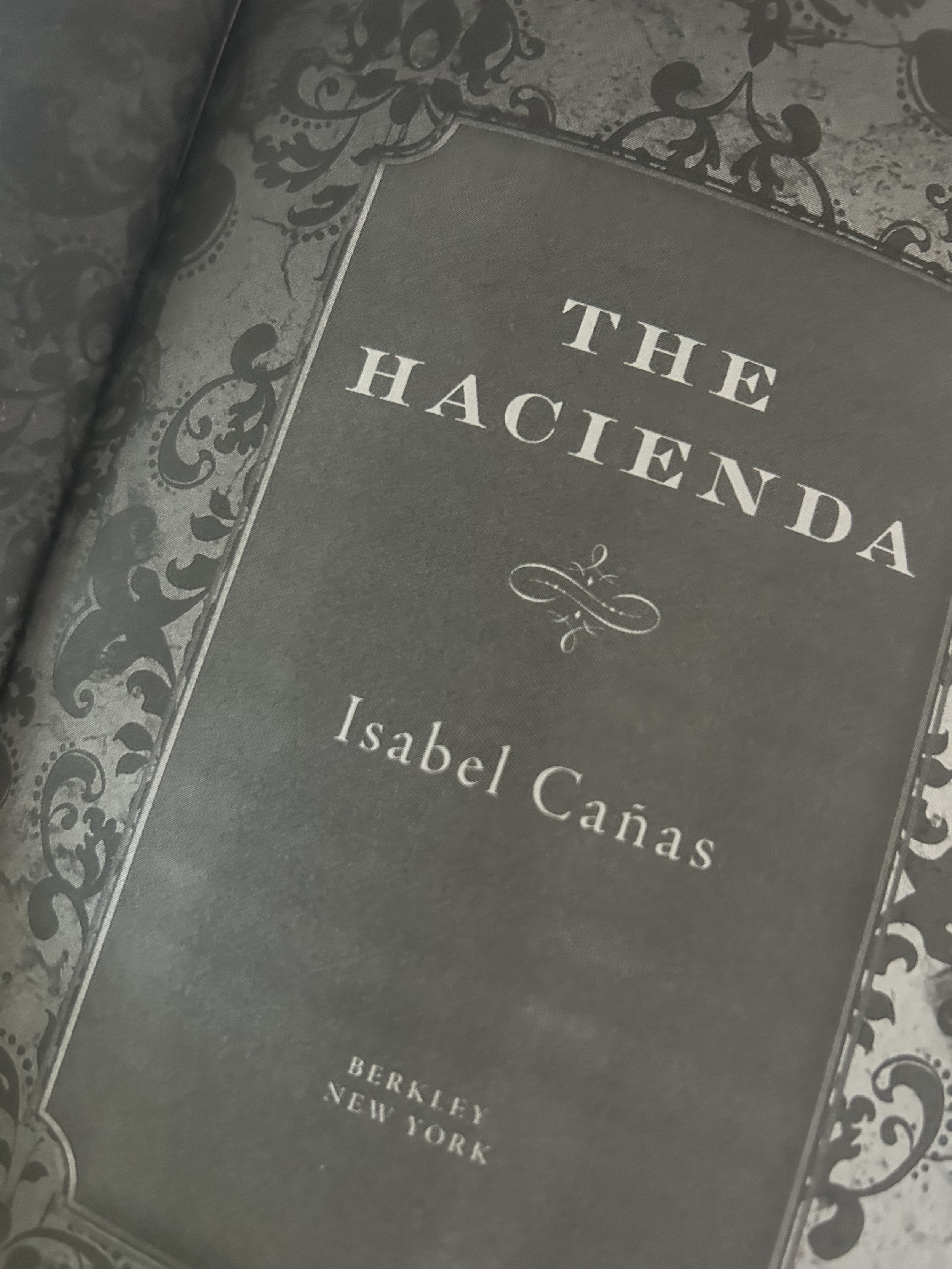
The Hacienda
This is the first of three published novels and it gives us a glimpse into the spirits that haunt the walls of Hacienda San Isidro. This story follows Beatriz, the young woman who marries into the Solorzano family and inherits a vengeful ghost along with a new fortune, and Andrés, the priest/witch who is the only one who believes Beatriz isn’t actually mad when she tells him what she’s been experiencing at the hacienda. At first glance, the evil would seem quite simple to identify: the spirit that haunts the hacienda and is tormenting Beatriz with gruesome hallucinations and threatening her life.
This is where Isabel Cañas weaves her magic, transforming a simple ghost story into a social commentary on women’s autonomy and the power men hold over them. Throughout the story, the theme of freedom is discussed in various aspects. One side of the coin is the women in the story aching for their freedom but having to depend on the presence of a man to be able to achieve it. Beatriz often describes the hacienda and her marriage to Rodolfo as the chance at the freedom she so desperately craved and that very promise is the reason why she stays as long as she does, even when her life is in danger. Then we see characters like Juana, Rodolfo’s sister, whose desire for freedom and liberation from her abusive brother leads her to commit the very acts that allow the evil in the house to take hold and transform it completely. On the other side of the coin we have Andrés, who seeks to be free of the rules and limitations that Catholicism and the Inquisition has placed on his faith and spirituality.
Through Beatriz and Andrés, and the people that surround them, Cañas conveys an evil that lies deep in the patriarchal and colonial structures that have been upheld for centuries.
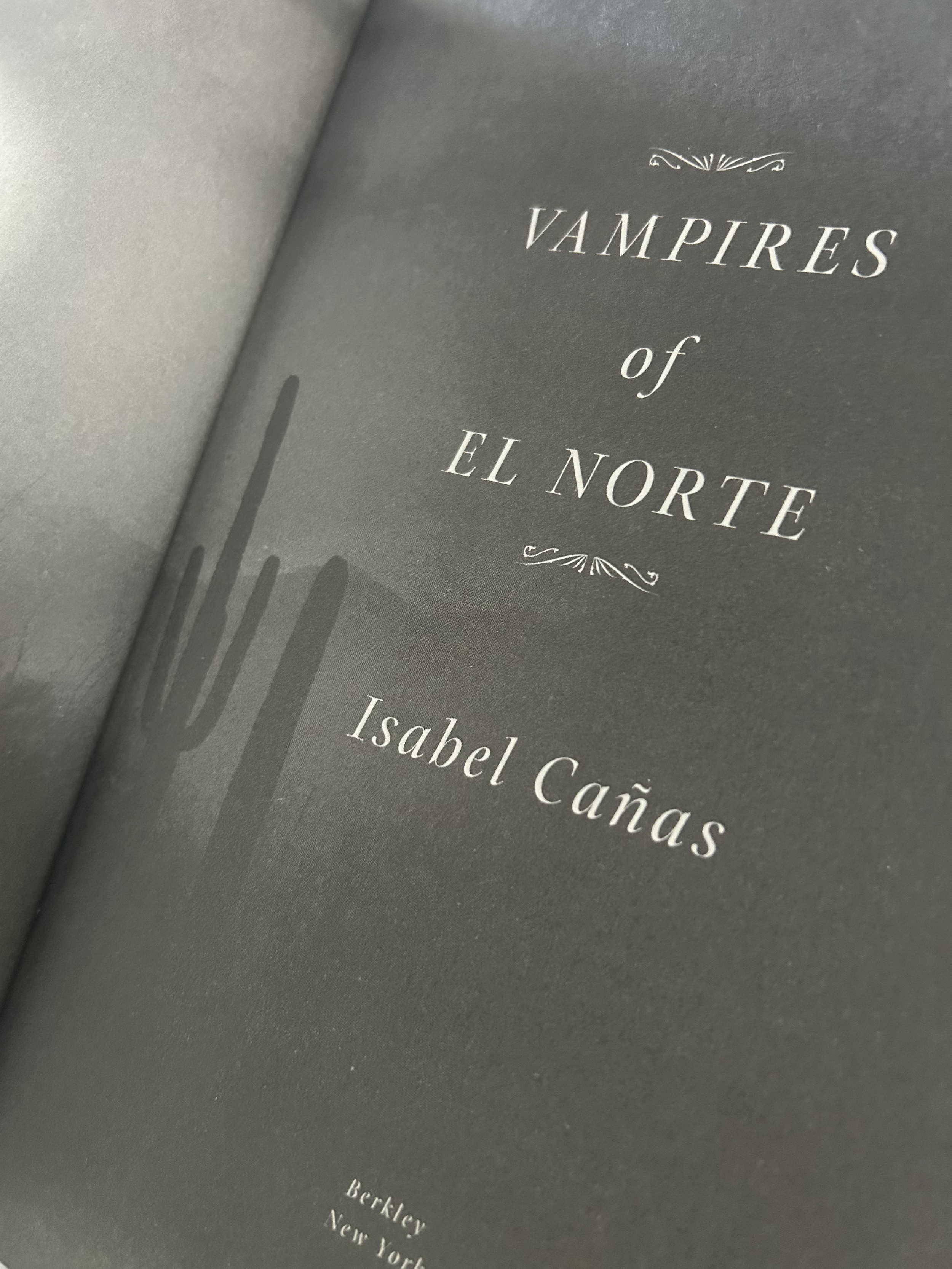
Vampires of El Norte
My favorite novel out of the three and the first one I read, Vampires of El Norte, is what made me fall in love with Cañas’ work. It’s also the book where the supernatural symbolism is most obvious. This story follows Nena and Néstor as they fight against two great evils that are plaguing their town: vampires and Yanqui invaders. Set during the Mexican-American war, this novel details the invasion that the United States carried out during the years of 1846–8 in Mexico. Even though there are physical vampires in the novel, they still serve as an allegory for the American troops that were trying to steal a large part of the Mexican territory.
“‘We need all the help we can get to keep these vampires from sucking our land dry’ Don Antonio added. ‘We need every man in good health.’” (Cañas, p. 59)
This quote is one of the first mentions of the term “vampire” in the story and it refers to the Yanqui invaders. The physical depictions of the vampires are by no means treated as the good guys in the story, since they do attack our main characters and pose a real threat to their community. However, Cañas also gives another twist to this metaphor. During the latter half of the novel, it’s revealed that the Yanqui invaders are using the vampires as weapons during the war. The first time I read it, I remember being so shocked by the twist that I had to put the book down for a few seconds to internalize what I’d just read. This is one of the most haunting elements of the story, proving that the most dangerous monsters aren’t always the most obvious and that even supernatural beings are not exempt from colonial greed.
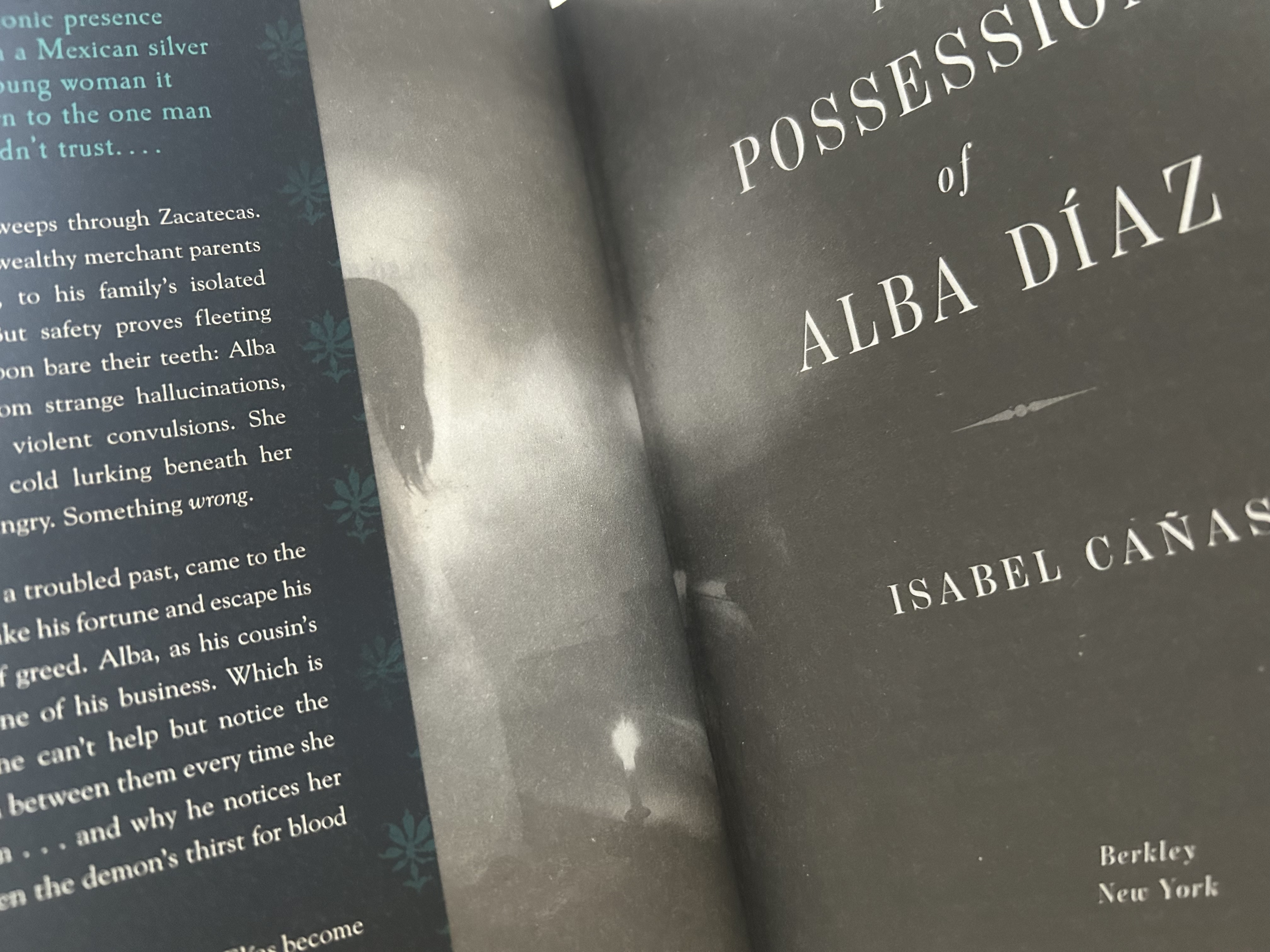
The Possession of Alba Díaz
The most recent out of the bunch and yet it’s the one set furthest in the past. The Possession of Alba Díaz takes place during the 1700s and at the height of the Mexican Inquisition. In this story we follow Alba, a young woman who arrives at a remote mining town where she becomes possessed by a demon that lurked in the caves of the mines. Alba quickly begins to lose control of herself as the demon grows stronger, which is where Elías comes into the story. Elías is the cousin of Alba’s fiancee, an alchemist, student of the occult, and the only person who seems to notice Alba’s deteriorating state. Alba and Elías must work together to free Alba from the demon’s hold and to keep the rest of the inhabitants of Mina San Gabriel safe from the wrath of the bloodthirsty spirit.
However, as with any Isabel Cañas book, nothing is that straightforward. We see a new evil forming in the shape of Bartolomé, the priest who arrives at Mina San Gabriel as part of the Inquisition to make sure that local religious practices don’t overshadow the Church’s agenda. Bartolomé embodies one of the biggest threats in the novel, which is that of religious persecution. Once he learns of Alba’s possession he offers to help her only to betray her and turn her over to face the wrath of the Inquisition.
“The Inquisition was a famished snake in the presence of an unguarded egg. Priests circled her thorny nest, long tongues flicking between their teeth, beady eyes reptilian in their lust. They all looked the same. They were all the same: men who had been promised violence and denied it for years, who had finally found an object for their belligerence.” (Cañas, p. 314–5)
Even though the complete origin and nature of the demon isn’t explained, it is revealed that it arrived at the mines by way of the clergy that came to Mina San Gabriel as per the request of the Spanish monarchy and the Inquisition. Once again, the true evil lies in colonial powers and the need for erasure and greed.
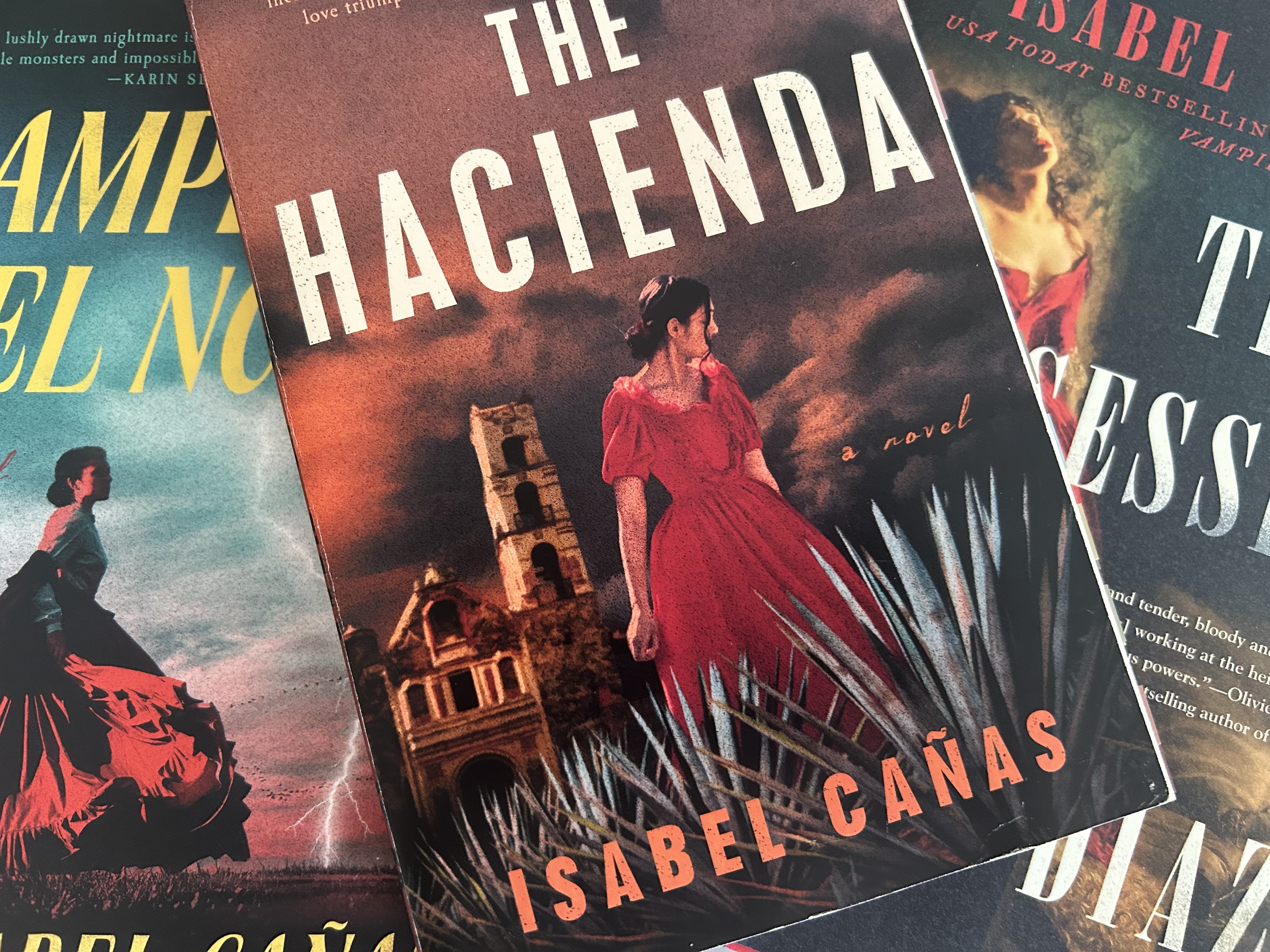
Isabel Cañas is truly a master of the modern gothic/horror genre and she just keeps getting better with every novel. Folk tales and supernatural stories are such a big part of Latinx culture and it’s so refreshing to see these spins on classical ghost and scary stories that we all used to hear growing up. The way Cañas manages to so beautifully weave every detail to create a story that keeps you on the edge of your seat and shines a light on the history of Mexican and Latin American culture is nothing short of astonishing. Even if you’re not a fan of the horror genre, I highly recommend you give her books a try. They have a little bit of everything and I promise you won’t regret adding any of these to your bookshelves.
Want to shop the books in this article? Check out our bookshop.org list (affiliate link)