

Ways YOU Can Fight Book Censorship
By Carolina Ferreira
Edited By Emily Quintanilla
What if you went to the library to pick up the next book on your TBR list, only to discover that it had been removed?
Book censorship is on the rise, with a record of 5,668 books banned in 2025 and an additional 920 censored through access restrictions, which can include relocation on the library shelves or requiring parental permission to access them. According to Unite Against Book Bans, 71% of voters oppose efforts to remove books from public libraries, while 67% oppose efforts to remove books from school libraries. Yet, despite public opinion demonstrating a desire for legislators to steer away from book banning, every year there is an increase in banned books across the U.S., with nearly 92% of censorship attempts being initiated by pressure groups and decision-makers.
Book banning is a battle that is far from over, and the public has the ability to fight back. Here are some ways you can fight book censorship:
Support and read banned books and authors
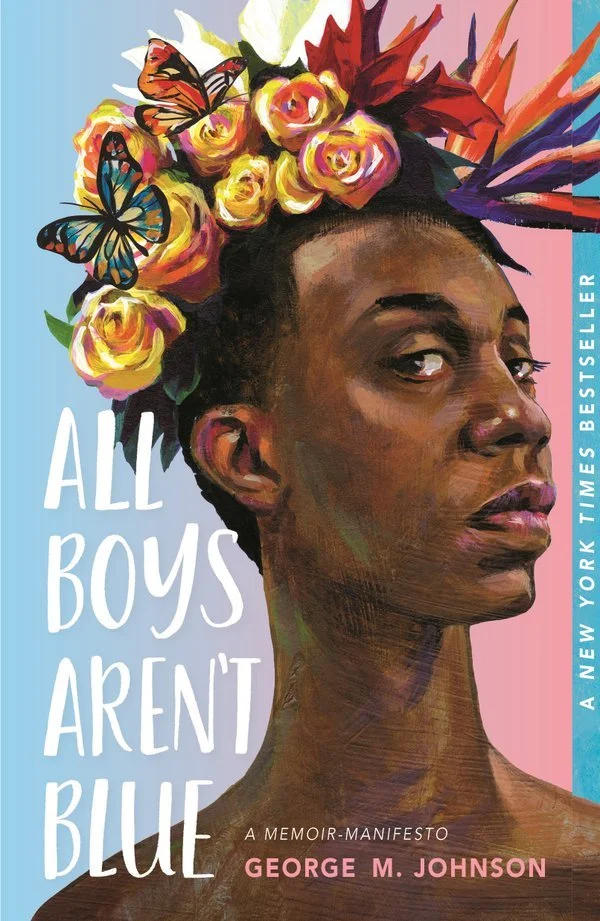
Most books that are challenged have minority groups as their main focus, with nearly half of these materials involving LGBTQ+ people or people of color. To ensure that these stories continue to be told, it’s important to show libraries and publishers that banned authors’ work is valuable and high in demand. Every time you buy a book or grab it from your local library, that is exactly what you are doing.
In addition to supporting their books, you can also support challenged authors by staying up to date about the events at local libraries and bookstores where they may be attending.
You can find authors to support by looking through PEN America’s Banned Books list, or their list of the Banned Best Picture Books of the Last 25 Years if you want to get a younger audience involved.
Advocate for challenged books
One of the most direct ways to fight book censorship is to ensure that your voice is heard by your elected representatives. Write to your state representatives and senators about the issues at hand to put it at the top of their minds. Your elected officials are in a position to oppose laws that could restrict select topics, but if they are not aware of books being unfairly challenged, they may not represent that in their work. Writing a letter can be a helpful tool to make them aware of the most pressing issues in their community, and calling their attention to book challenges will ensure that they can work towards a way to fight them.
While it may seem daunting, writing to your elected officials only takes two steps: finding your state, local, and national officials here and using a letter template (like this one) to help you contact your representatives.
Stay informed and use the resources available to you

If you’re aware of a book currently being challenged in your state or district, you can report it to the American Library Association (ALA). The ALA has created a database of attempted challenges and bans and may be able to provide support and more customized resources to help oppose the attempted challenge or ban. You can report a book challenge here.
If you would like to know more about books that are currently being challenged, another useful resource is Unite Against Banned Books’ Book Résumés. The résumés help detail each title’s significance and educational value and are easy to share with administrators, book review committees, elected officials, and board members.
Participate in school/library boards and council meetings

Participating in board and council meetings can feel overwhelming and intimidating, but they are crucial to ensuring your voice is heard. If you would like to attend a meeting but are unsure how to speak about book banning, you can use PEN America’s guide on What to Say About Book Bans at School Board and Library Meetings. This list can provide you with suggestions on how to approach the subject of book bans. While it is aimed at school boards and library meetings, you can also use it as inspiration any time you would like to speak out against book challenges.
Meetings in your community are happening more often than you might think. Make sure to look at your local town clerk’s office, library bulletin board, and school district portal to know when they are happening next. And if you want to take it a step forward, you might be able to volunteer to become part of your local library board. The best way to make sure decision-making is going in the right direction is to keep the best leaders in charge.
Buy and own physical books
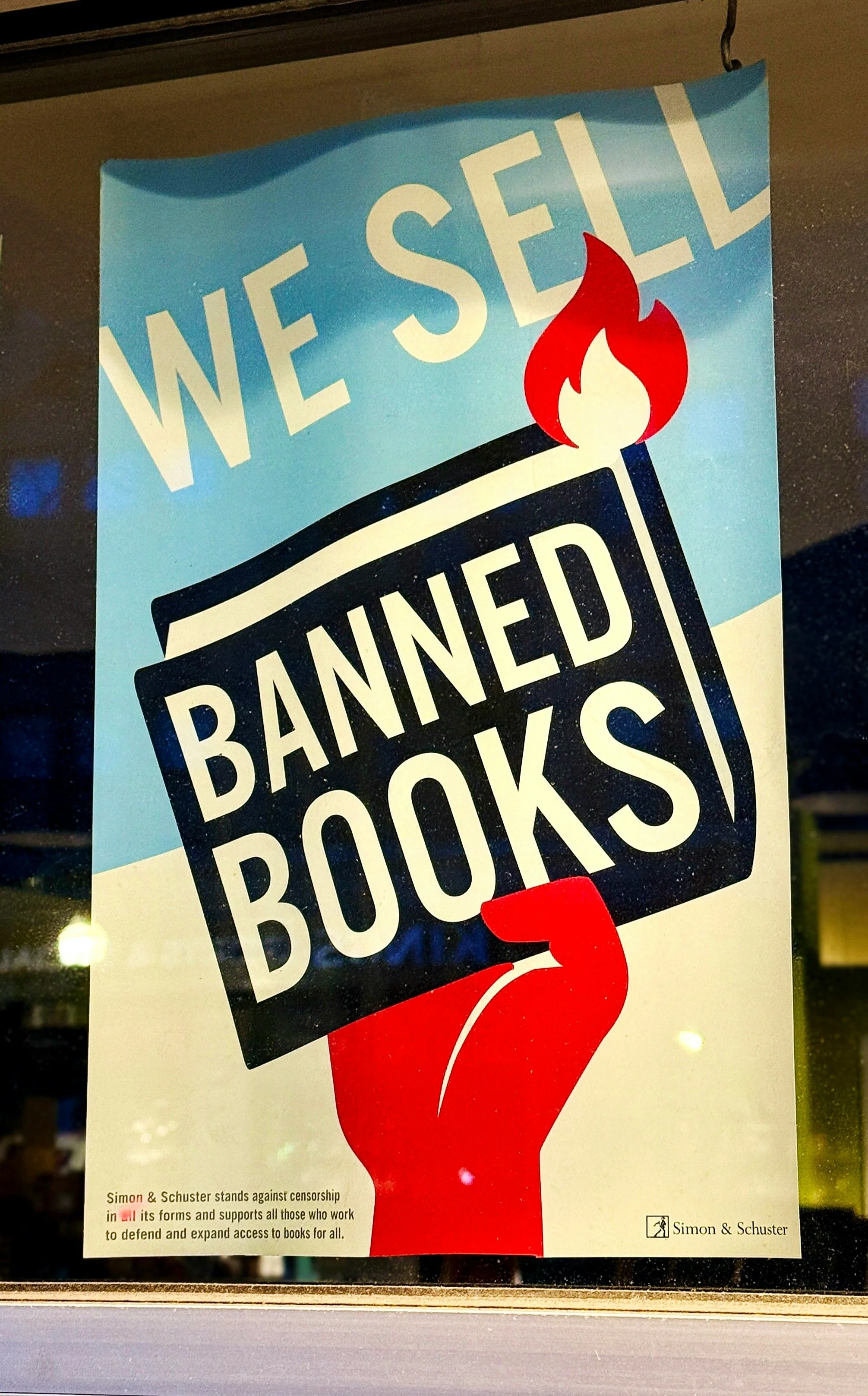
While having digital versions of your favorite books is appealing and easy, physical, printed copies ensure that you own your books forever. Digital books can unfortunately be edited, deleted, or even removed from platforms. Physical copies, on the other hand, will ensure that the media you own cannot be removed or altered by anyone else.
If you have the opportunity to do so, buying books that are currently banned also allows you to pass them on to younger generations who may not be taught them in school or may not have them available at their public libraries.
If you do prefer the convenience of digital versions, I encourage you to consider how and where you store and purchase your books and whether those platforms give you control over your files.
Get familiar with the Unite Against Book Bans Toolkit
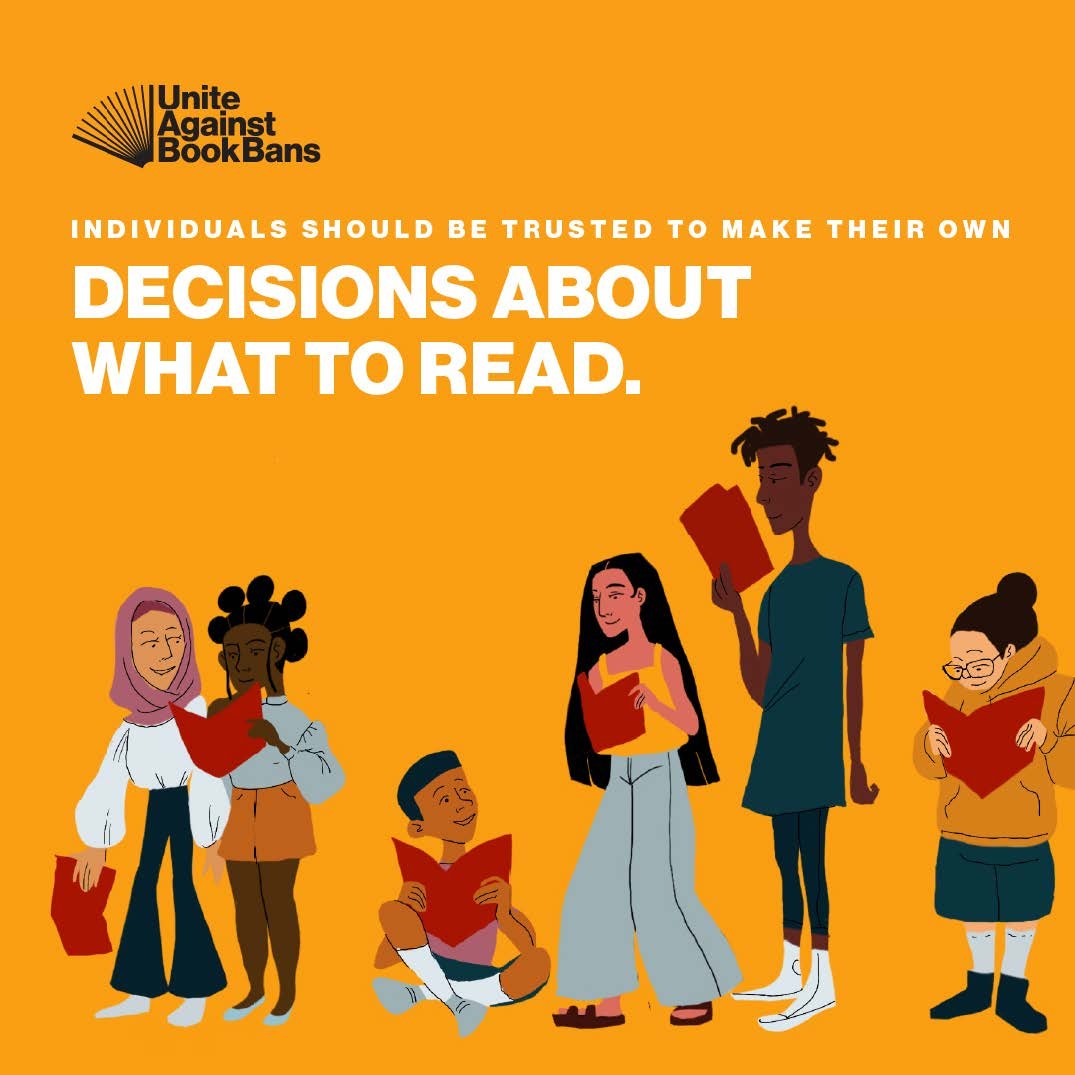
This toolkit can provides you with resources to organize against book bans in your community. If you want to go beyond individual actions, there are many different ways you can get involved, and this kit will help you understand the options that work best for you.
Book challenges are increasing every year, but that does not mean that we have to accept censorship as something inevitable.
Books allow us to encounter experiences that differ from our own, engage in critical thinking about the world around us, and help raise conversations about difficult topics.
Fighting book censorship does not always require a huge campaign. It can start with one person choosing to speak up and support a story. There are many ways to get involved, and every action can make a difference. So, next time you hear that a book is being challenged, remember that you have the opportunity to talk about it, support its author, and, most importantly, make your voice heard.