

From First Page to Published
A Discussion on Debuts
By Sara Shahein
Edited by Sherriece Hughes
In recent years, the publishing world has seen an influx of new writers hitting the scene. This increasing number can be attributed to many reasons, including self-publishing and independent publishing becoming more accessible and mainstream, reading becoming more popular through platforms such as BookTok and Bookstagram, or the year and a half of quarantine solitude gifting many budding writers the time to chase their dreams. This influx has become clear within the romance genre. Publishers are seeing an increase in romance book readership and to keep up with this demand, more writers are getting their big break. While this is a dream that has come to fruition for many, there are still writers drafting or querying their debuts. So, I sat with a few authors to get more insight on the publishing process according to the different stages of their careers.
Lavanya Lakshmi
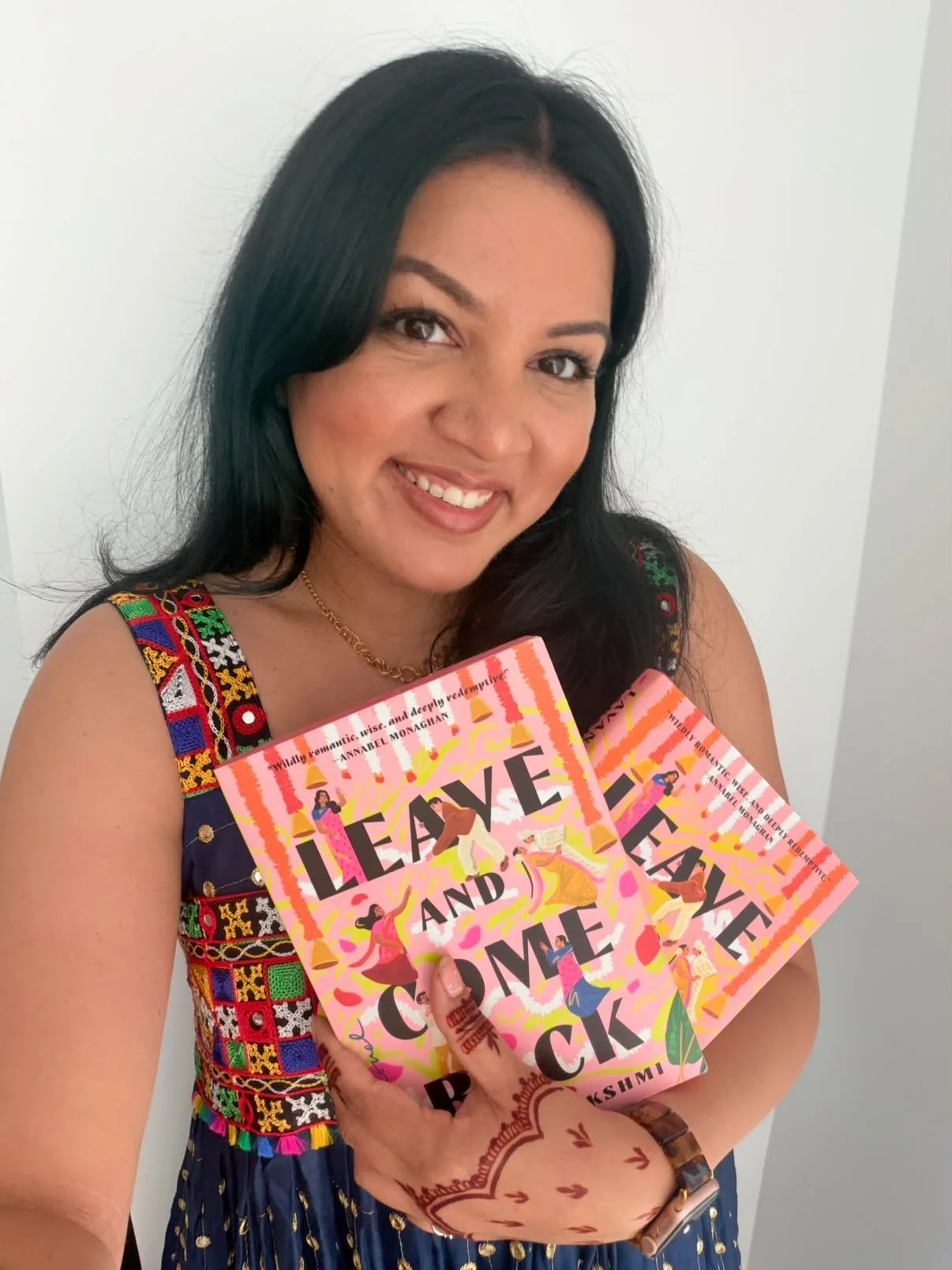
Debut author Lavanya Lakshmi, of Leave and Come Back, a “rom-com, fam-dram” based off the Bollywood hit film Dilwale Dulhania Le Jayenge, published her debut only a few months ago but this journey wasn’t a linear one. She shared, “In my mid 20s, I was living in New York City and enjoying that. I started to write a lot of stuff online, particularly fanfiction, and an intern at an agency was kind enough to tell me the story was good and they were going to send it to the agent they worked for. The agent ended up representing me and I hadn’t even thought about publishing at this point. I was writing online for fun. I kept submitting completely different stories to my agent and she said they were great but I had to stick with one so they could get a sense of edits. I think I was too busy enjoying being in my 20s, in New York, and just didn’t have the discipline. Eventually that agent parted ways with me and that kind of devastated me.” Eight years later, Lakshmi was ready to query, and Leave and Come Back got picked up.
Lakshmi’s history with publishing brought up the differences between being a writer and having a career as an author. While a writer may be classified as anyone that writes, just as the adage suggests, an author may be more consistent with their storytelling, possibly having a writing routine, and is typically published or working to get published whether that be traditional, independent, or self. Lakshmi went on to say, “I would still be a writer even if no agent or publisher wanted my book, and I had given that idea up after I lost my first agent. So, it became very important for me to remember I can still write stories I want and do it for the love of writing, rather than be goal oriented towards getting published.” This is a sentiment many of the authors agreed with in some way. They shared their writing journeys stemmed from wanting to share the stories they wanted to read, or connect with readers. Lakshmi’s story also reminds writers that publishing takes time. It may take writers multiple drafts and rounds of querying to get picked up, and even then it may take agents time to get the book picked up by a publisher.
Lakshmi explained working in publishing and how establishing a community of fellow authors helped give her a leg up on what to expect when it came to the debut process, as well as insight on how traditional publishing may be helpful for first-time authors. “Working in publishing allowed me to see the ins and outs of it, and I never considered indie publishing because I see how hard indie published authors work and how they do it all. I would not be good at that. Kudos to them, but it’s not for me. I think having friends in this space is very important because those authors are your network and become your beta readers. Sharing your work with other writers makes you a better writer.” While Laskmi’s network includes romance authors, not all authors stay within their genre when it comes to beta reading. IT’S OKAY TO FEEL LIKE THAT: found family, “angry girls,” and introspection
Katie Naymon
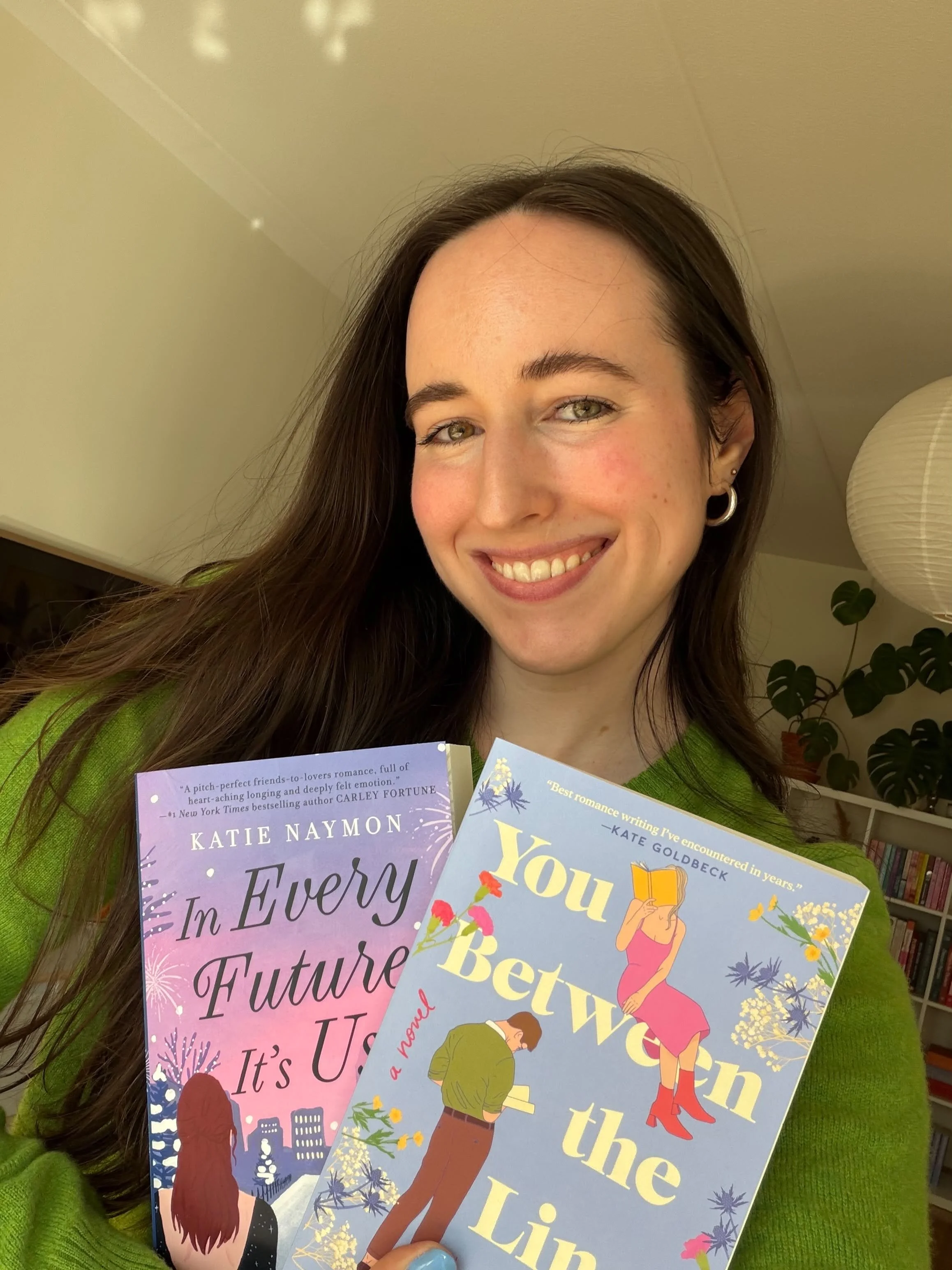
Katie Naymon, author of You Between the Lines and soon-to-be-released In Every Future, It’s Us, also discussed the benefits of sharing her drafts with friends, stating, “most of the people that read my early drafts are my best friends from school, an old colleague who I worked with, or a few people from my MFA program. Some read romance religiously, some not at all. Some are good editors. One is an architect that is very detail oriented and a great reader. I like that none of them are publishing their own work or working for publishers because none of them are ever thinking of the market. At this stage, I am getting feedback totally divorced from publishing and once I finish the draft it goes into the publishing machine. I like having these people who are opinionated, who love me, love reading, and want to be involved. I have leaned on publishing friends in between books two and three to brainstorm or share rambling messages about plot points.” While it’s helpful to gain feedback from authors in your sphere, Naymon makes a point to branch out and share her drafts with the people in her life that enjoy reading and craftsmanship.
She explained her goal with writing romance is to bring non romance readers to the genre, so sharing her initial projects with these readers helps her hone in on what other readers may want to see. She already gets a surplus of feedback about what readers in the romance genre want to see from publishers, but also from early reader reviews on NetGalley. Naymon described how release day feels like a party since she considers the true release of her book to be the day it becomes available for readers to review on NetGalley. “Pub day didn’t feel nearly as significant as when the book went up on NetGalley because, at that point, you are kind of publishing it. It’s become available for readers. Pub day for me, is cool because I can see the physical book in a bookstore but I have been dealing with and receiving public feedback from people I don’t know for months prior so that feels more significant. A lot of other artists don't have the same immediate feedback loop. It’s weird but also delightful, thrilling, challenging, and rewarding.” While this immediate and easily accessible feedback may sound daunting to debut authors, London Sperry provided a helpful reminder.
London Sperry
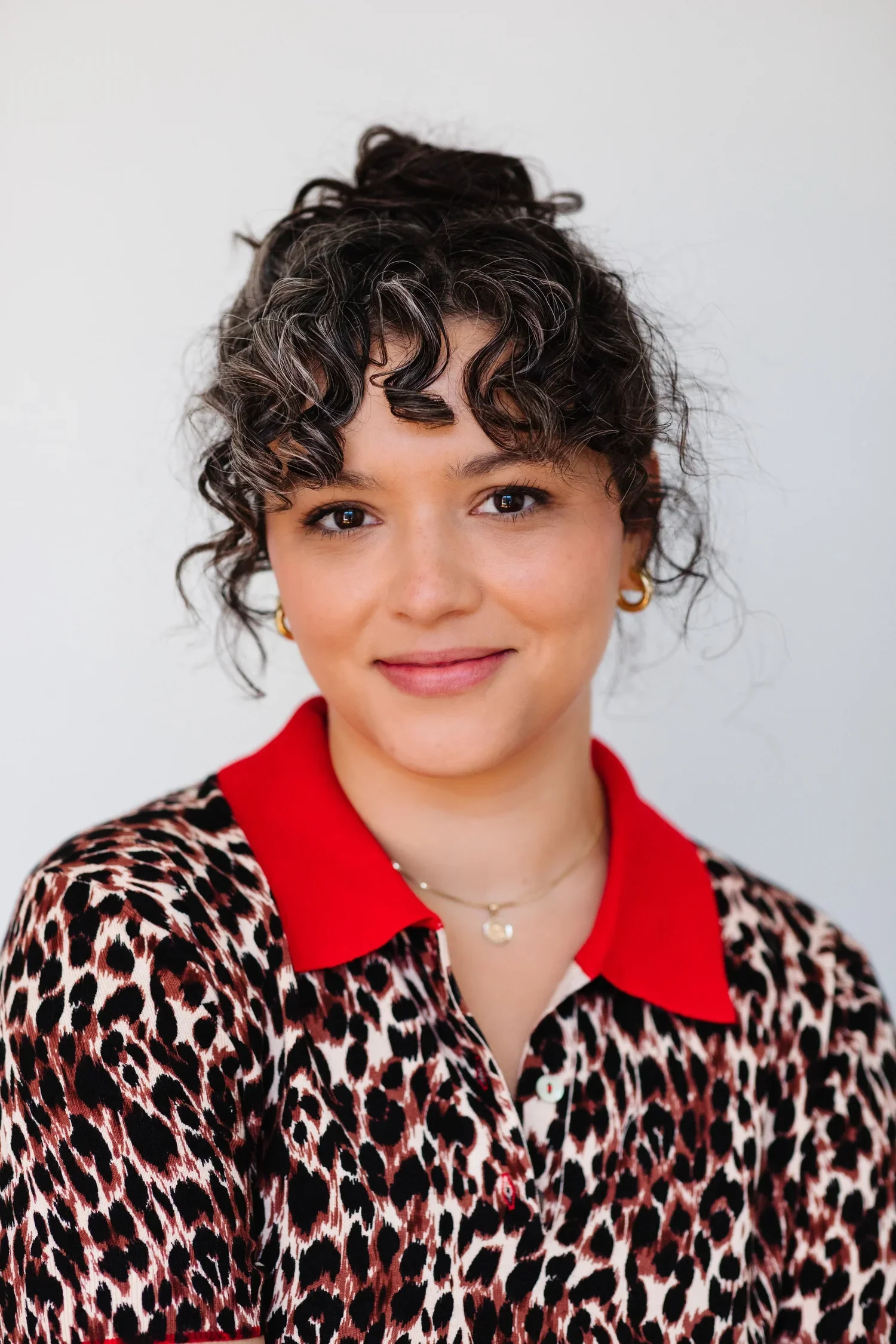
Sperry, another author set to release her sophomore novel, City People, spoke about NetGalley when providing her takeaways from her debut experience publishing Passion Project. When I asked what she would be doing differently this time around, she explained how she would combat the “noise” in publishing and encourage authors to “keep their eyes on their own paper. Easier said than done, but it's so essential to a person’s mental health. In a career where there are Instagram hits, trade reviews, Goodreads ads, NetGalley reviews, etc., it can feel tempting to try and read the tea leaves to predict what will make or break you. But if there's anything I've learned, it's that you can't predict what will happen, and you have to sit in the discomfort of not knowing what's to come. I've felt a lot more peace since I accepted that I simply can't know everything, and I shouldn't really try!”
Initial reader reviews and reactions may sway the way a book is received by other readers down the line, especially with the hype surrounding BookTok and Bookstagram recommendations. Sperry reminds authors not to look too closely at these initial reactions because there is no true way of knowing how well your book will do and to remember why you became an author. “Chances are, you're not doing this for Instagram likes or Canva graphics or mentions in online listicles. Chances are, you started to write because you wanted to connect with people, and because you had a story inside that you thought could touch someone, surprise them, exhilarate them, or make them swoon. That will happen. Once your book is out there, it will find its readers. And that is reason enough to pick up the pen and keep going.”
Lauren Okie
But how do you keep this momentum going once you’ve made your debut splash, have published your second novel, and have your third book in the works? This is a question I saved for Lauren Okie, author of The Best Worst Thing and Tropesick. Okie reminds debut authors working towards their next book to “really savor the highs! Every book is a MIRACLE, truly, and every reader who picks up your story over any other story is an achievement.” This was the headspace she entered while touring Tropesick earlier this summer. Every stop was exciting, where Okie stuck to a pink dress code and funky accessories. She took the chance to savor the community of readers, booksellers, and authors that supported her through her writing journey. Okie explained she had written Tropesick while The Best Worst Thing had just been released, and the two were set to be published eight months apart. Which is a quick turn around for the publishing world, and didn’t give her quite as much time in between her debut and next novel as other authors may have. But, this did give her all the more reason to savor the time she had to celebrate each release. Her parting words for authors in between books: “Just write the hell out of your book.” Okie encourages authors who already made their debut to keep writing and working towards submitting the best book possible for themselves and their readers.
While these authors are in different stages of their writing careers, there is one piece of advice they all want debut authors to take away: to keep writing and sharing their stories. In each one of their debuts these authors wrote the stories they wanted to read whether that featured characters going through grief, battling infertility, or breaking out of imposter syndrome. These stories now live on bookshelves, in libraries, and have been held by the hands of countless readers.
Want to shop the books in this article? Check out our bookshop.org list (affiliate link)