

Rediscovering Unknown Women Through HERstorical Fiction
By Sherriece Hughes
Edited by Emilee Saigh
Women have consistently been in the forefront of revolutionary changes throughout history, but unfortunately, their stories are overshadowed by men and their contributions mere footnotes in the history books—if acknowledged at all. But now, they have their own books! Through historical fiction, the lives of remarkable women who impacted our history but have been forgotten are being recognized, their voices heard, and their accomplishments applauded. Here are eight novels written by women determined to reveal the illuminating lives of diverse women who deserve their place in herstory.
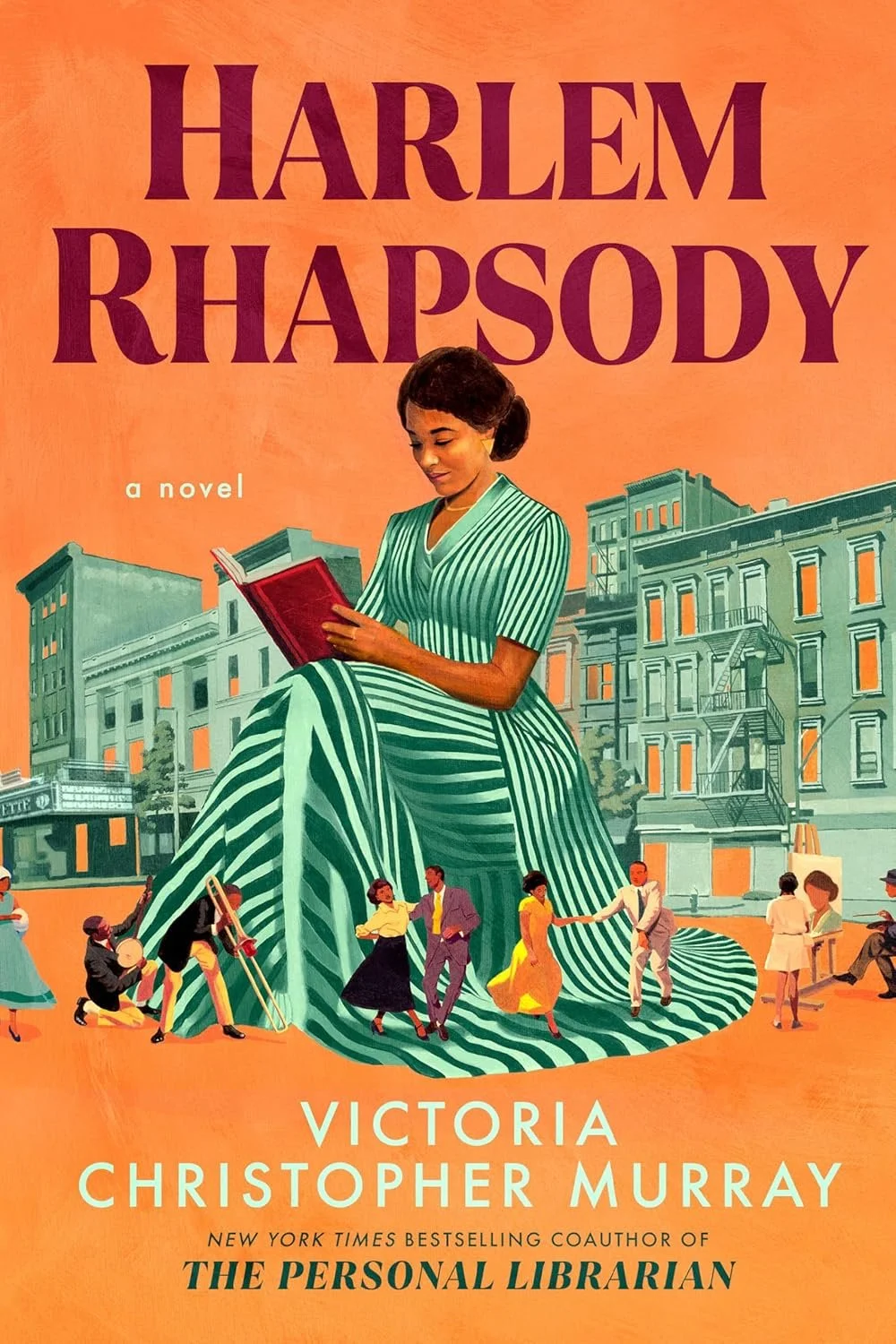
Harlem Rhapsody by Victoria Christopher Murray
When you think of the Harlem Renaissance, literary giants like Langston Hughes, Countee Cullen, and Nella Larsen might come to mind. But very few know the name of Jessie Redmon Fauset and how she was the force behind their work. As the first Black woman editor of the Black American literary magazine, The Crisis, she discovered young writers and brought out the best in them; earning the moniker, “the midwife” of the Harlem Renaissance. A woman ahead of her time, she was dedicated to her job, her writing, and unfortunately, to her affair with the “distinguished” W.E.B DuBois, who was also her boss. Filled with notable characters and drama, her story tells of a young woman who lives and loves on her own terms, which might’ve been the cause of her obscurity from history.
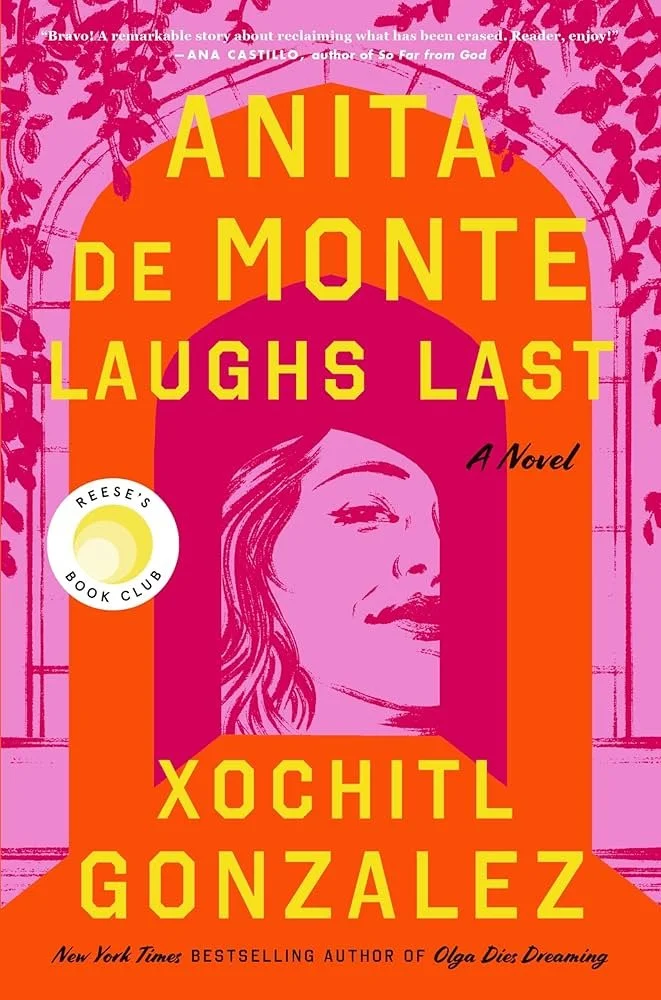
Anita de Monte Laughs Last by Xochitl Gonzalez
In 1985, Anita de Monte—based on artist Anita Mendiete—strives to overcome the domineering art world and break from being overshadowed by her prominent husband. When she finally gains recognition for her eccentric artwork, tragedy unfolds after a heated argument between her and her husband ends with her falling to her death. Decades later, Raquel, an Ivy League student, learns of Anita while researching her husband. She becomes determined to bring her work back to life while the ghost of Anita de Monte seeks retribution.
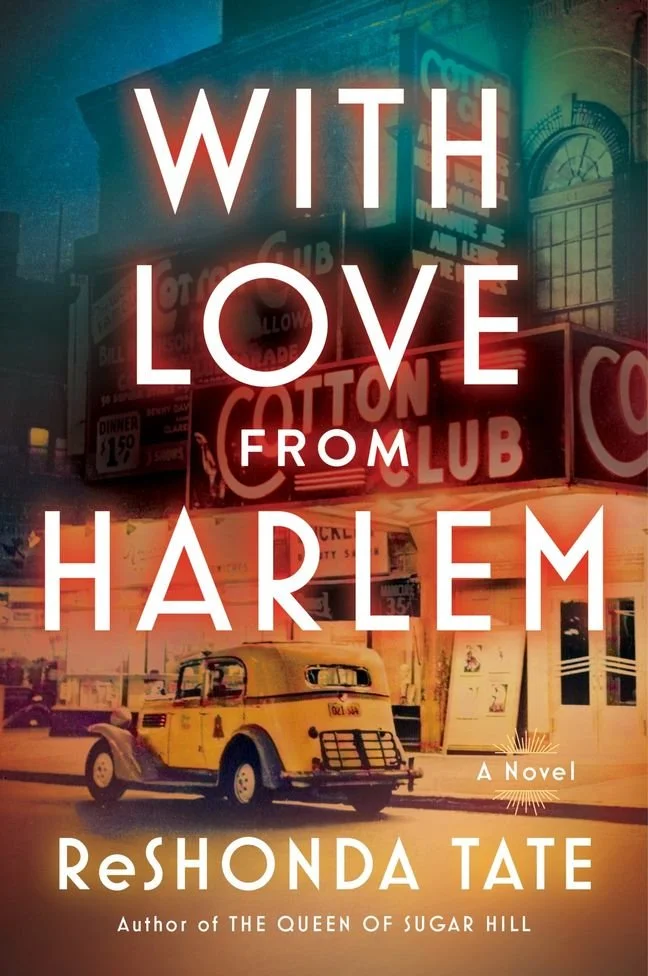
With Love From Harlem by ReShonda Tate
Hazel Scott was a pianist prodigy who strived to make a name for herself in music and in Hollywood. She was known for taking classical music and blending it with jazz, wowing her audience by playing two pianos at the same time. She was the first Black person to have her own TV show, and her bravery in refusing to continue to shoot for her first leading role unless the Black women actors were represented with dignity showed the world how fierce she was as a Civil Rights activist. However, it eventually led to her being blackballed from Hollywood. Her scandalous relationship and marriage to Adam Clayton Powell Jr. was fodder for the tabloids and unfortunately strained her mental and physical health.
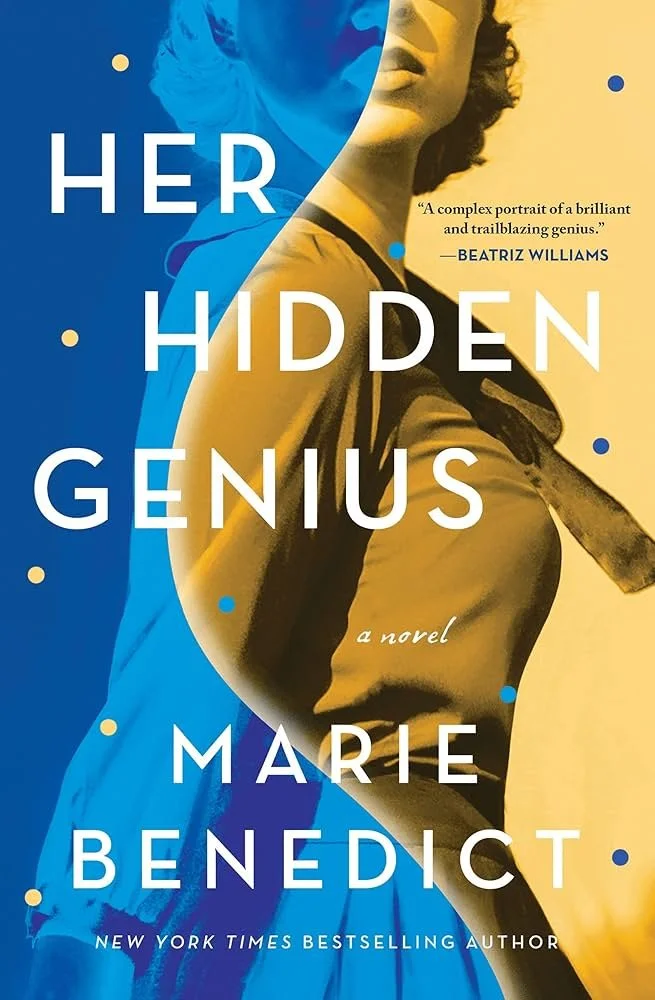
Her Hidden Genius by Marie Benedict
In 1947, Rosalind Franklin was a passionate scientist facing misogyny from her colleagues who questioned her competence and intellect. When she leaves London for Paris, she finds a more agreeable environment and learns and works more freely, honing her skills in X-ray crystallography. This research will eventually help her decipher the structure of DNA. Years later, while back in London, Franklin’s tireless research came to fruition with her groundbreaking findings of the double helix structure of DNA. But much to her dismay, three male scientists took the credit for her work and ultimately her name became lost in time.
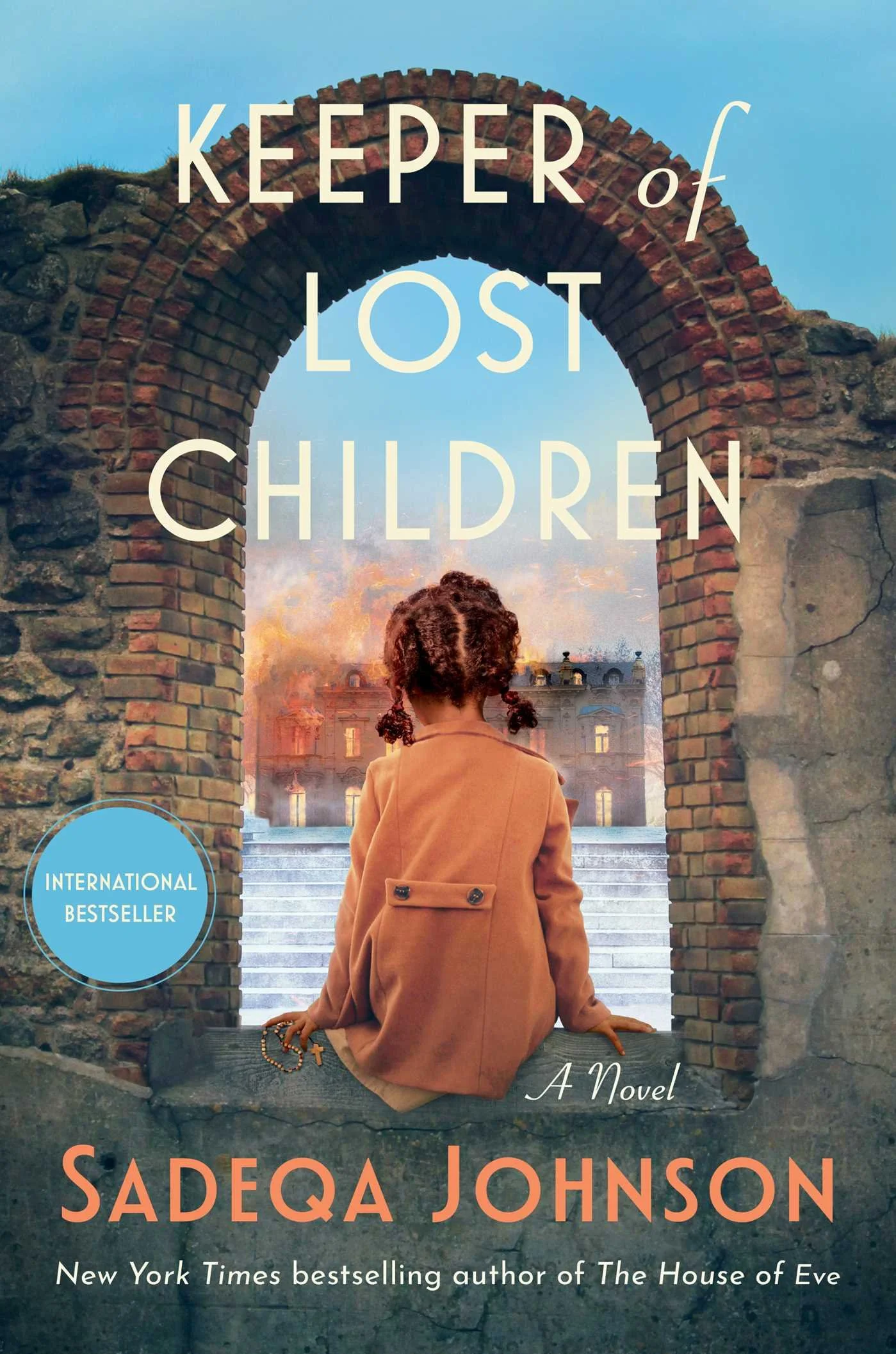
Keeper of Lost Children by Sadeqa Johnson
Johnson’s latest historical fiction based on a woman named Mabel Grammer sheds light on what was known as the Brown Baby Plan. This story follows Ethel Gathers, a journalist stationed in post World War II Germany with her U.S. Army officer husband. When asked to help at an orphanage, she discovers the unfortunate predicament of abandonment and discrimination faced by children born to German women and Black American soldiers. She finds her purpose by not only adopting twelve children, but by also conducting the Brown Baby Plan, ensuring over 500 children were adopted by Black families in America. Undoubtedly, no easy feat.
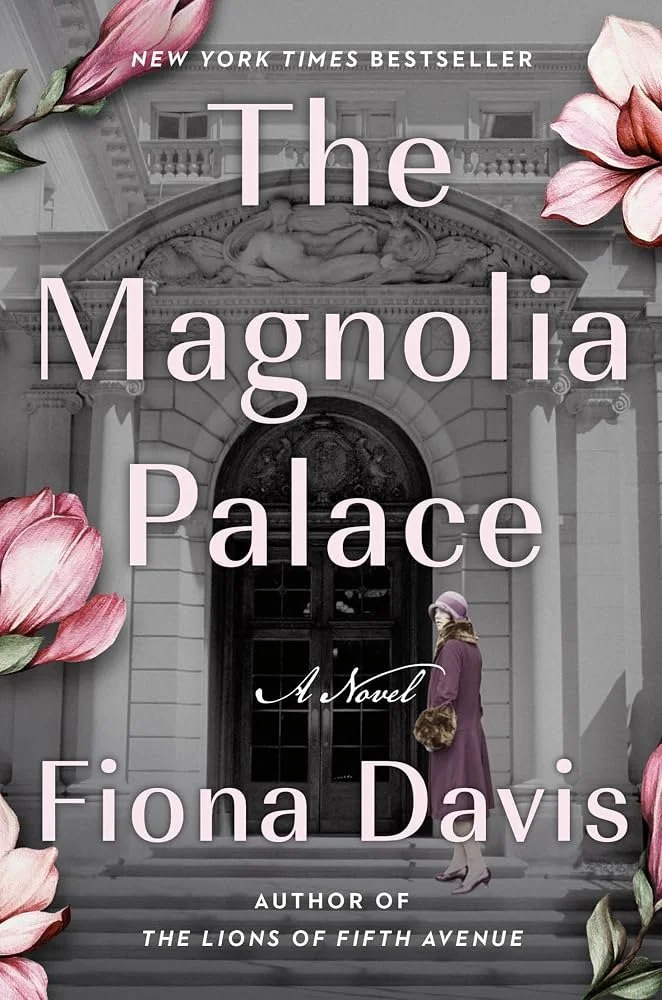
The Magnolia Place by Fiona Davis
Fiona Davis is known for setting her stories amid historical landmarks, and in The Magnolia Place, she blends fact and fiction to tell a mystery tale with characters inspired by real-life people. The main character, Lillian Carter, is loosely based on Audrey Munson who was dubbed “America’s first supermodel” during the Gilded Age. Carter is a model who gets caught up in a murder investigation. Attempting to hide from the police, she finds refuge in her employment at the Frick mansion in NY where, unbeknownst to her employer, a statue of her likeness adorns the entrance as a secretary for Helen Frick. Helen is another woman whose achievements were obscured from history and whose story also gets told in this intriguing thriller.
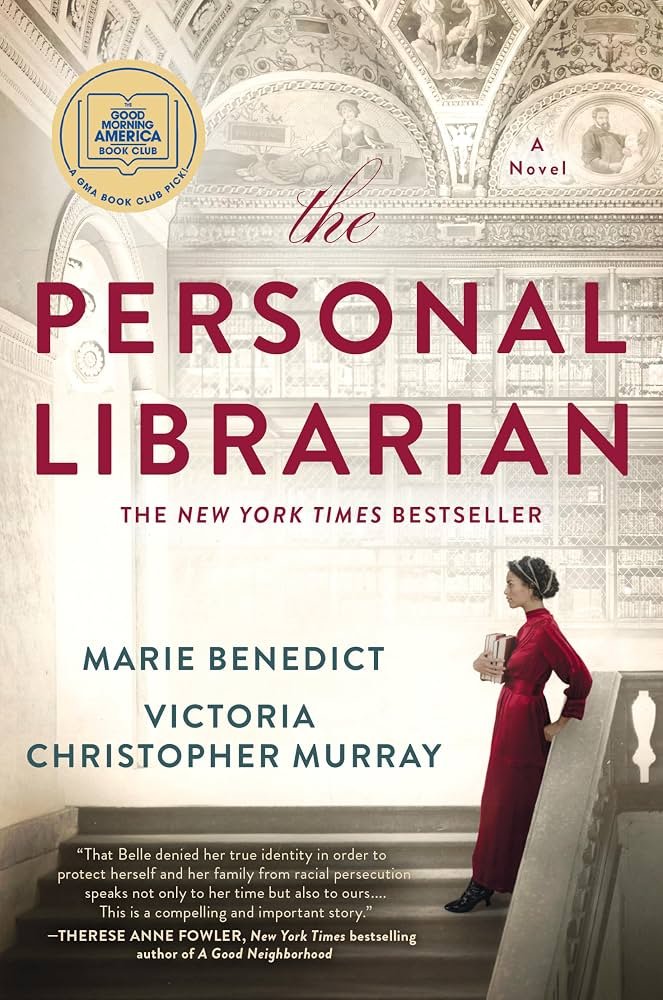
The Personal Librarian by Marie Benedict and Victoria Christopher Murray
Authors Marie Benedict and Victoria Christopher Murray team up for the first time (but not the last) to tell a well-rounded, thoroughly researched story of Belle da Costa Greene. Greene was the personal librarian of J.P. Morgan and through her remarkable work of acquiring rare manuscripts, solidifying her work ethic in a male-dominated profession, she helped build the prestigious Morgan Library. What could be even more extraordinary about her story? She was passing for white!
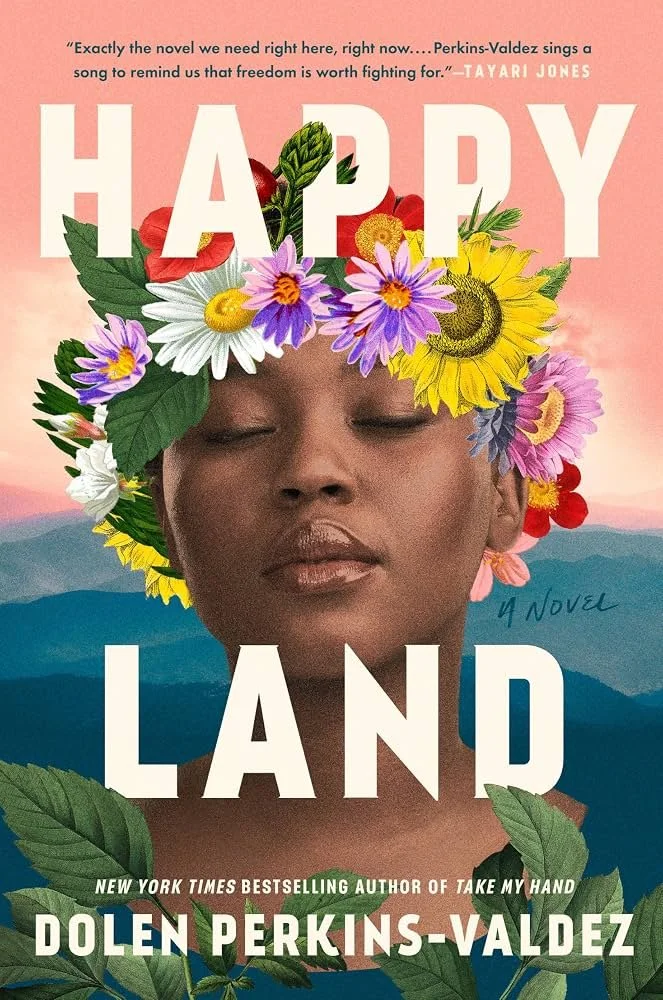
Happy Land by Dolen Perkins-Valdez
I bet you didn’t know America had a queen . . . and she was Black. In Happy Land, Nikki discovers the land in the mountains of North Carolina where her grandmother lives was once an American Kingdom her ancestor was deemed queen of. The story of Luella and her fight for freedom for herself, her family, and her community is an inspiration for Nikki to fight to hold on to the land her great-great-great-grandmother ruled.
I hope the glimpses into the lives of these women urges you to read these amazingly-written accounts of their achievements to society through fictional stories grounded in historical facts. And, I also hope after reading (or if you’re like me, during), you’re encouraged to go down rabbit holes where you may rediscover more hidden stories.