

Disability Pride?
Examining Recent Portrayals of Disability in Fiction
By Rebecca Hall
Edited by Emily Quintanilla
July is Disability Pride Month, which feels like a perfect time to talk about my favorite (and not-so-favorite) disabled book characters. Note: Every disabled person’s identity and experience is unique and complex. As someone who lives with chronic illnesses, my hope is that this article fuels conversation and reflection amongst disabled folks and folks who are not (yet) disabled.

Check out ADA 35: Understanding the Disability Pride Flag to learn more about the flag!
What is Disability?
We can define disability as a temporary or permanent condition that affects someone’s quality of life and/or ability to function. Contrary to popular belief, you don’t need an official diagnosis or accommodations to identify as disabled. I have lived with a disability since age 3, but I and many other millennials rarely saw disabled people portrayed in the media while we were growing up. Today, it’s much easier to find compelling, three-dimensional portrayals of disability, but, unfortunately, publishers and producers continue to release stories where the only disabled character is a villain or an individual without agency. Keep reading for my analysis of a few recent books that feature disabled characters!
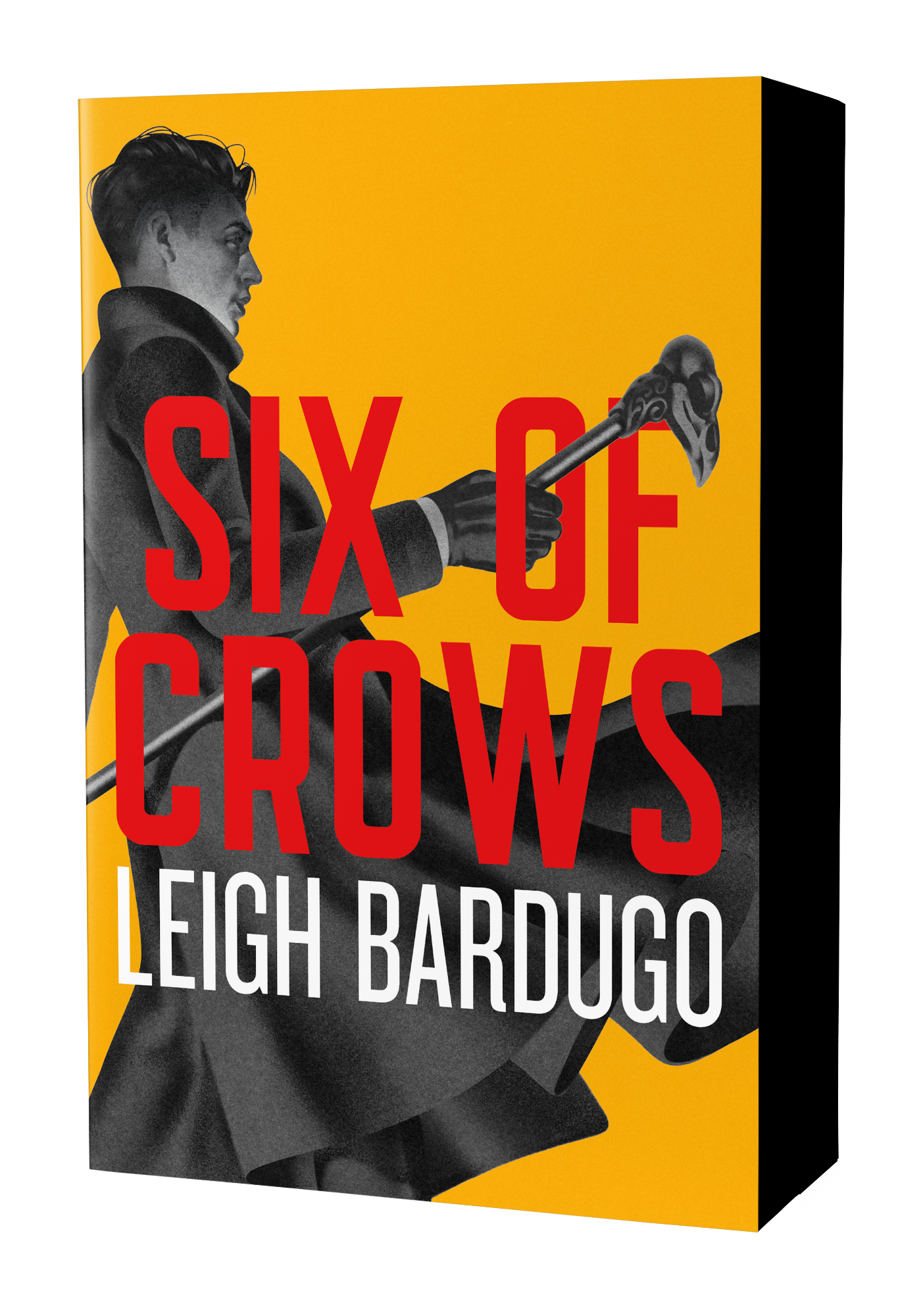
Kaz in Six of Crows
In this fantasy heist novel by Leigh Bardugo, Kaz Brekker leads a motley crew of teens and intimidates adults three times his age in the underbelly of the fictional port city of Ketterdam. Kaz injured his leg at a young age and it never healed properly. He uses a cane that is both a flashy mobility device and a weapon. I became obsessed with Kaz immediately due to his complexity as a character. He visibly requires assistance to walk, even though he won’t ask for help from anyone in most areas of his life. He’s prickly and quite hard to get along with, but he’s determined and protective of his friends. Kaz, in many ways, is so similar to disabled people in my own life, and I felt very seen while reading his interactions with his compatriot Inej. Additionally, this series features careful and complex portrayals of mental illness in multiple characters, including PTSD and addiction.
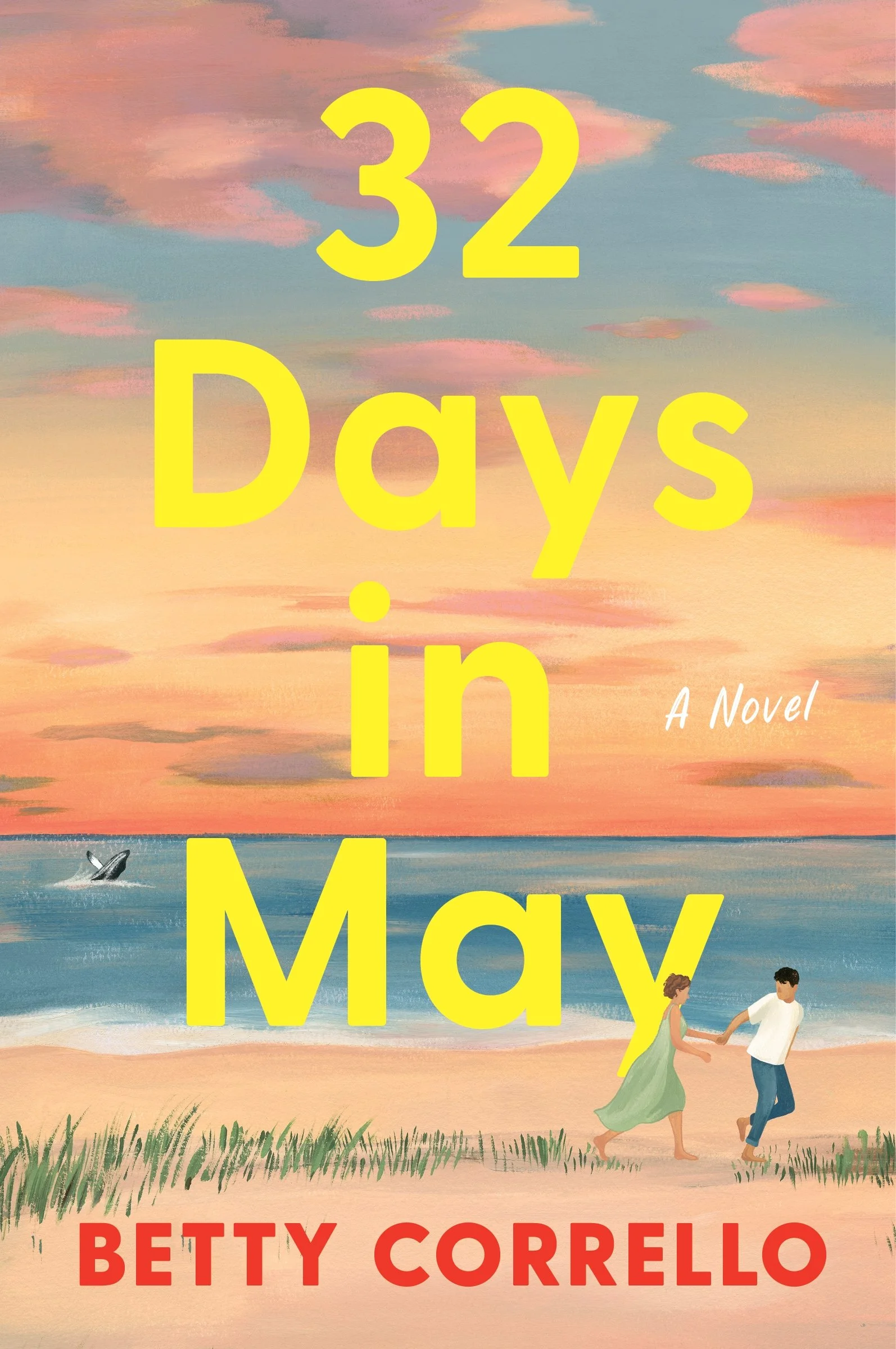
Nadia in 32 Days in May
32 Days in May by Betty Corrello is a contemporary romance novel about a woman who is diagnosed with lupus and convalesces on the Jersey Shore while coping with the major changes this illness brings. Nadia agrees to date Marco, an actor struggling with his own challenges, but only for the month of May. I felt that the entire book did an excellent job of portraying the frustration, confusion, anger, and sometimes hilarity created by autoimmune disorders. However, my favorite part of the book was its ending (feel free to scroll down if you’d like to avoid spoilers). Nadia hides her diagnosis and daily care from Marco, which results in a major flare of symptoms that lands her in the hospital. While many of us with chronic illness live decades without having health crises, the truth is that taking care of a broken body is sometimes next-to-impossible. Nadia’s experience shows what many of us have to learn the hard way—rest is essential, and if you don’t schedule a time to do it, your body may choose time for you. If you love a book that makes you both laugh and cry, this one is for you.
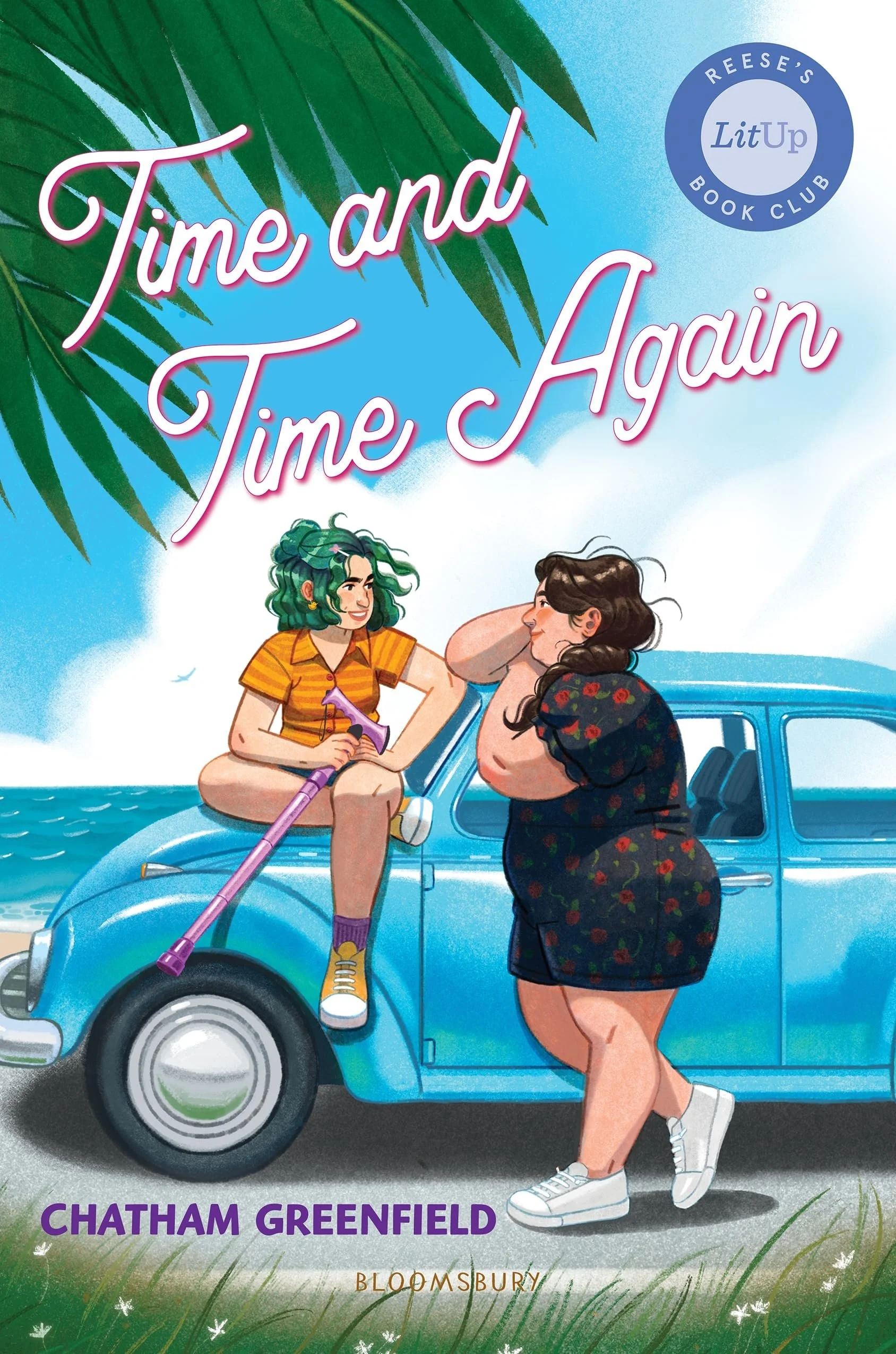
Phoebe and Jess in Time and Time Again
Time and Time Again is a young adult time loop romance about Phoebe and Jess, who are both disabled and Jewish. I was extremely impressed by the way that Chatham Greenfield incorporates multiple marginalized perspectives—plus hallmarks of the science fiction and romance genres—in a book that’s only about 300 pages long. Phoebe experiences severe irritable bowel syndrome (IBS) symptoms, while Jess has mobility challenges. Both teens have dynamic disabilities, meaning that their symptoms vary from day to day. While Jess’ disability is more visible than Phoebe’s, they both struggle in their own ways to communicate with peers and adults about their access needs and care. Phoebe theorizes that the time loop began when, under the agony of IBS pain, she asked the universe to make everything stop. I believe that any reader who has felt their life circumstances were out of their control will connect with this story about two teens forced to live the same day over and their resulting adventures.
Knox and Daft Jamie in The Resurrectionist
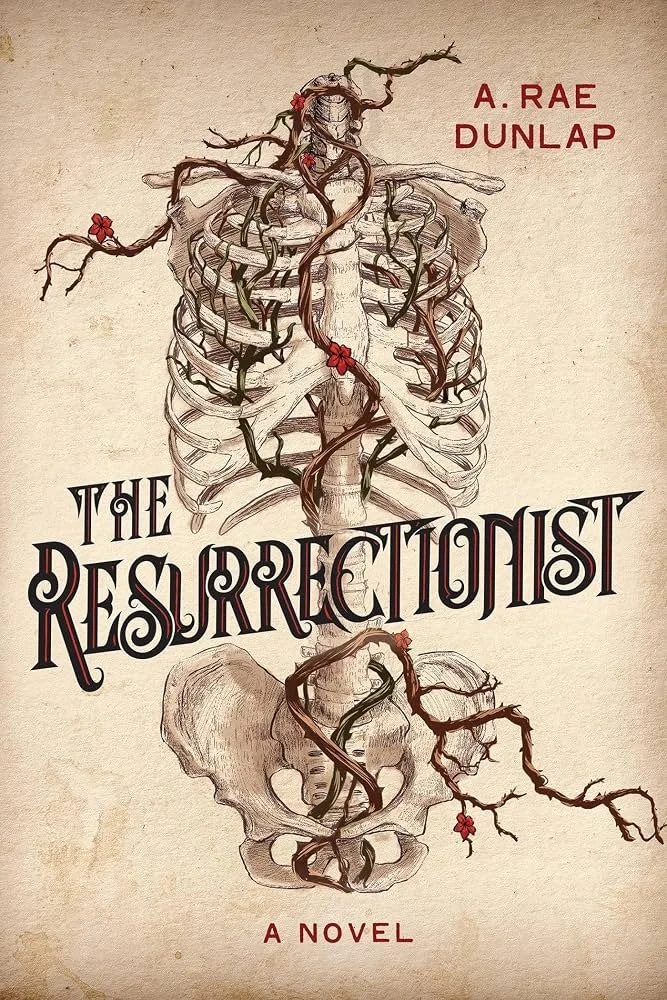
This novel by A. Rae Dunlap is a unique blend of medical historical fiction and romance. It follows James as he matriculates to the University of Edinburgh to study anatomy in the 1820s. This city was one of the first where a thriving underground ring of bodysnatchers developed in order to fuel medical studies. I greatly appreciate the portrayal of James’ reactions to human cadavers, along with his deep passion for learning medicine in order to help people. I felt that the story had really compelling queer representation but let me down in its portrayal of people with disabilities. Even more jarring than the discussion of autopsies were the descriptions of Knox, one of the main villains of the story.
Knox runs a private anatomy school and, unlike James’ teachers, has no respect for the bodies he dissects. He is also the only living disabled person we see depicted on the page. He walks with a limp and is described as having facial differences that make him look like a “monster.” While Knox was a real individual, there is no explanation, historical or invented, given for how he came to be disabled. We learn very little about him as a person so I’m left to assume that the inclusion of his disability is used purely as a scare tactic, when his words and behavior would be plenty sufficient to indicate that he is immoral. Another disabled character, “Daft Jamie,” is discussed but killed off before James meets him. I do not take issue with Jamie’s name, as it is a historically accurate term for someone with a learning disability, but he is one of the first people killed by the rival gang. I found myself wishing that James could have developed a relationship with a wider range of Edinburgh residents, including some disabled individuals who are not used purely as plot devices.
Montserrat and Tristán in Silver Nitrate
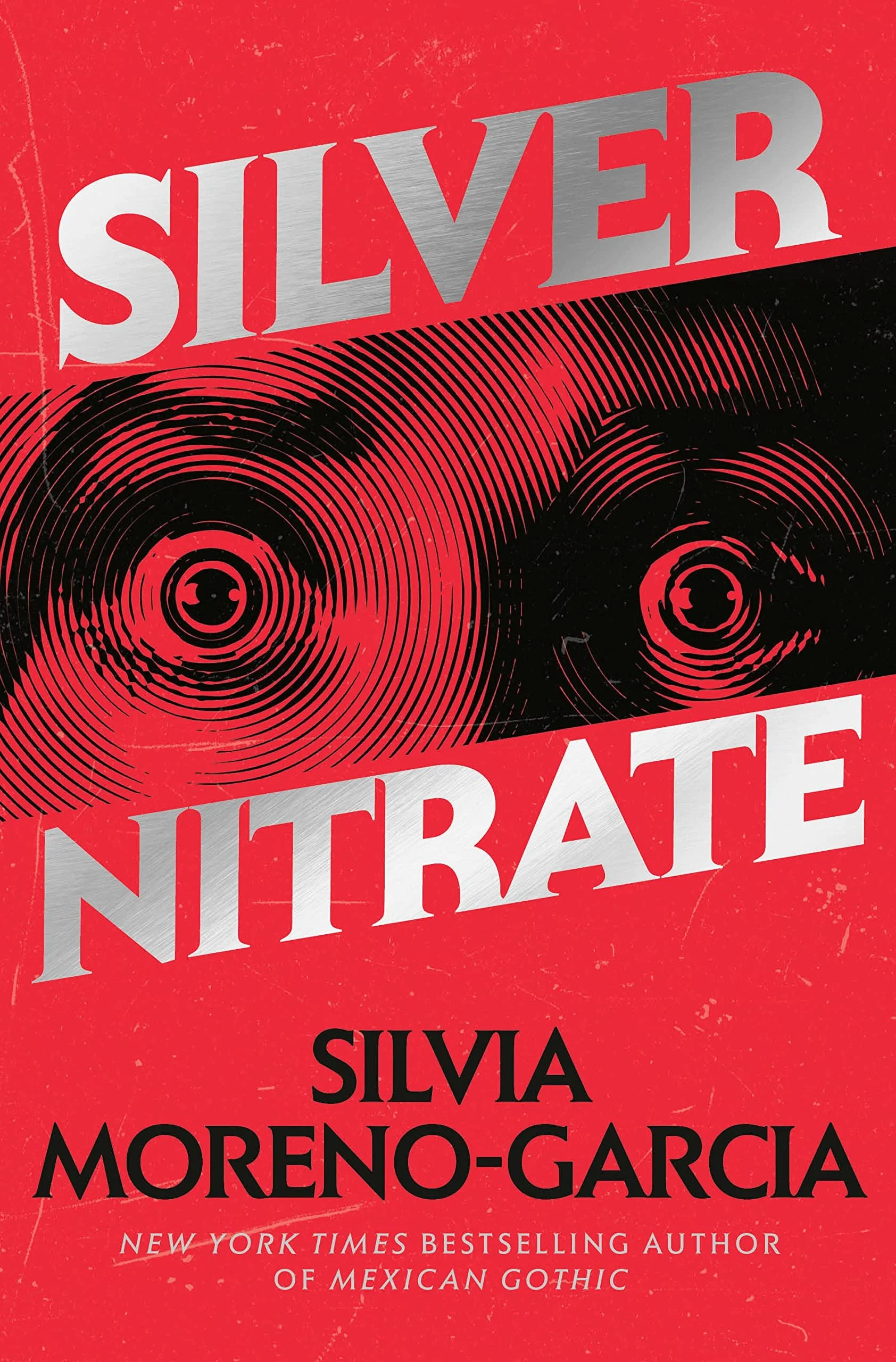
Silver Nitrate by Silvia Moreno-Garcia is one of my favorite novels with disabled protagonists, even though it may not seem like a book about disability at first glance. This story follows Montserrat and Tristán as they uncover ominous occult white supremacist plots hidden in Mexico’s film industry in the 1990s. As with some of the characters mentioned above, Montserrat and Tristán are two people who have quite different disabilities—Montserrat walks with a limp and Tristán deals with alcoholism and PTSD. As increasingly horrific events unfold, we see these two childhood friends tread the line between fierce independence and opening up to each other about their needs and limitations. This is not Moreno-Garcia’s most popular book, but it is my favorite because it shows that, with communication, persistence, and a little supernatural luck, marginalized people can survive and triumph.
I appreciate that many of today’s authors are prioritizing disabled representation, but some representation is more nuanced or effective than others. The reality is that most people today live long enough to acquire a disability of some kind, but ableism is still alive and well. It affects everything from the way we stigmatize mental illness to how we treat people who use mobility aids to our ignorance of invisible disabilities. I believe that talking and thinking carefully about fictional disabled characters allows us to move towards a more accessible and inclusive world. All people, even non-disabled folks, have needs for community, fulfillment, and access to resources. The best disabled characters are the ones who encourage us to reflect on whether the world around us supports our own needs and the needs of the people we love.