

Book Bans, Controlling Minds: How Book Censorship can be a tool for fascism?
Imagine being threatened by literal ink on paper, seems harmless, right? Books, magazines, and articles - just words imprinted on pages. Why would someone fear the ink? Let alone just fearing it, but removing every single trace of its existence, because they know that books hold the power to change the entire viewpoint of a nation.
By Maizah Javed
Edited by Emilee Saigh
I may not be nostalgic for my high school years, but I am nostalgic for the high schools I grew up watching on my television screen. Almost every weeknight, I sat on the edge of my family room’s couch to watch Pretty Little Liars, Glee, and numerous Disney Channel shows and movies. After finishing my homework assignments, I spent time with my favorite characters as they figured out how to balance their own lives with the various challenges the show would pose that week. Some of the plots? Outlandish and otherworldly. Others? I found myself envying the characters almost to the point of begging my mom to enroll me in a high school that was not at all real.
I yearned to enroll at East High in Alberqueue, New Mexico and be a Wildcat. I begged to attend high school on a cruise ship with the Sprouse twins, only to remember I hate being on boats. I even wanted to be a superhero so I could meet Nicholas Braun.
It may seem silly thinking back on how I wanted to attend these fictional high schools, but when I watched them, they were what I envisioned high school to be. I looked to these shows to set the foundation for my expectations and know what I was going to experience. Imagine my surprise when my high school would turn out to be nothing like one for superheroes and villains or a performing arts school in Hollywood or a high school where the popular blonde girl disappeared for years but mysteriously came back like nothing was wrong. No, my high school experience wasn’t like that at all, and it probably wasn’t for you, either. And yet, we still watched these shows and were entertained, and we maybe even wished to attend some of them (and others, not so much).
Here are 15 fictional high schools ranked by how much I wanted to attend them as a teen. And some I didn’t really want to attend at all, actually.
The Politics of Book Censorship
Book censorship, or book banning, is the act of some authority (governments, countries) taking measures to suppress ideas and information within a book (Wikipedia).
Book censorship is a broader term encompassing the suppression of writings, works, and books considered objectionable, harmful, sensitive, or inconvenient by governments, media outlets, or other groups or institutions (Eiss).
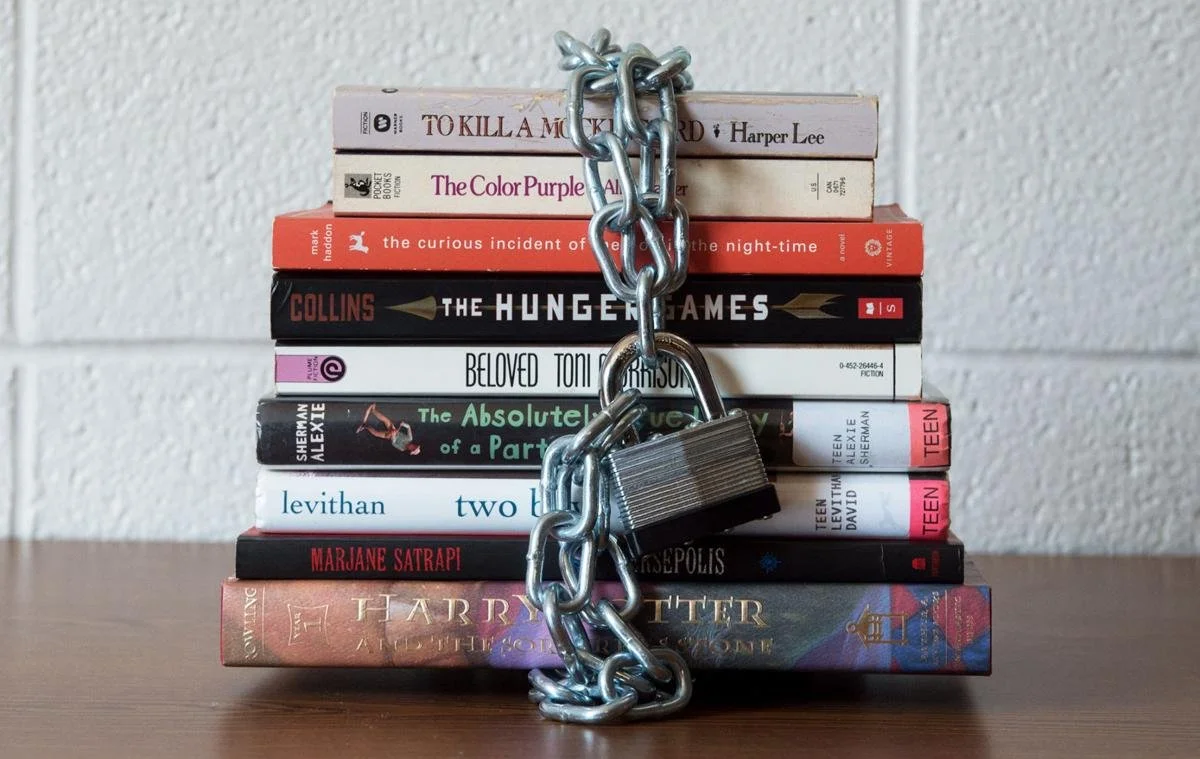
Today, books have been censored due to concerns over age appropriateness, explicit content, depictions of violence, and even protecting children from politically offensive ideas. Literature faces political pressure from all sides; progressives often condemn the works for alleged racism, sexism, homophobia, islamophobia, and antisemitism, while conservatives criticize it for being anti-Christian, anti-American, misandrist, and destructive to traditional family values (Szetela, Ji, Macy).
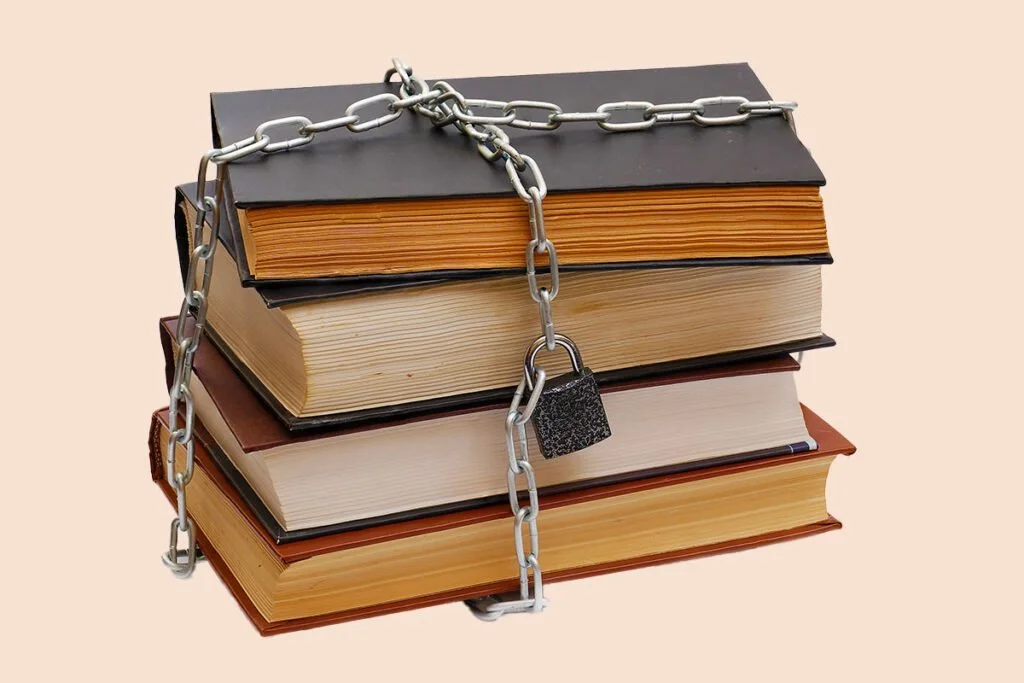
But who decides what actually is harmful? And harmful for whom? What happens when those in power control what the general public is allowed to read? Are books only being censored to protect children, or are there any other motives?
Historically, we've seen literature censored mainly for political purposes. Control over reading was considered necessary—as it was a major source of mass communication—in forming a public narrative in a way the regimes wanted it to be (Ritchie).
But are all kinds of censorship fascist? And do different forms of book censorship share the same characteristics as the information control used by fascist and authoritarian regimes?
How is Censorship Useful to Fascism?
The restriction of certain information is used to control and shape public discourse and limit access to competing viewpoints. Fascist regimes promote their own ideology by censoring contradictory literature and information that could influence people’s perception of the regime (Reichmen). Censorship is combined with propaganda to indoctrinate the population and eliminate opposing views. Books, newspapers, and magazines are used to transfer information and ideas—including propaganda—to change opinions according to political and social interest groups.
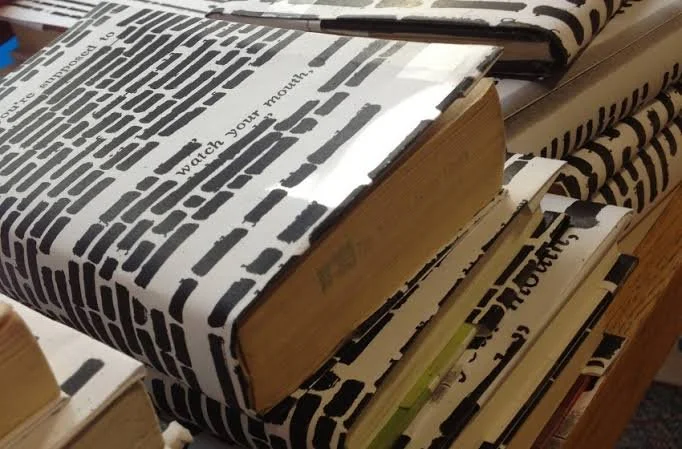
Propaganda is used to manipulate public opinion, as it’s a powerful tool most often used by totalitarian regimes in Europe and Asia (Lincove). Books expose people to the prescribed worldview, and controlling access to books has the power to influence what people think. In some cases, book censorship is framed as protecting the citizens from an anti-state agenda, just like in 1933 Nazi Germany. By removing the books and promoting propaganda, fascist governments attempt to convince people to believe in their own ideas and follow them without questioning why, as the evidence of opposing ideology has already been restricted or removed.
Nazi Germany: Censorship in Practice
It’s May 10, 1933, and thousands of books are thrown into flames in the streets of Germany because they’re deemed “un-German” and incompatible with German society. As the U.S. Holocaust Memorial Museum states, “The Nazis burned books to showcase what they saw as the triumph of their worldview over competing ideas. They symbolically destroyed works of literature, science, and scholarship that conflicted with or challenged their ideology.”
This incident occurred three-and-a-half months after Adolf Hitler came into power. The burnings were carried out by pro-Nazi university students across Germany, who had the support of local Nazi officials. Propaganda promoting a “campaign against the un-German spirit” was started through bulletins, and a new Main Office Press was established for the same purpose. In these bulletins, students were asked to “cleanse” their book collection of un-German books. The Nazis used censorship along with propaganda to promote their own ideas and beliefs, which glorified Hitler, spread negative views about Jews, and promoted the concept of nationalism. A poignant example of this is how they controlled what students read in schools, removed old textbooks, and taught students to obey the Nazis and Hitler and to despise the Jews. This worked as brainwashing propaganda to control the youth, which would make it easier to take control of the entire country.
Students also proclaimed the campaign opposed what they called “the trash and filth of the Jewish spirit of decomposition” in literature. Jews were labeled as dangerous adversaries or alien to the German people. In many places, on May 10, the burnings were started by a rally or a speech given by university authorities or Nazi officials. The largest book burning took place in Berlin, where 40,000 participants burned 20,000 volumes, and it became a significant propaganda event (U.S. Holocaust Memorial Museum).
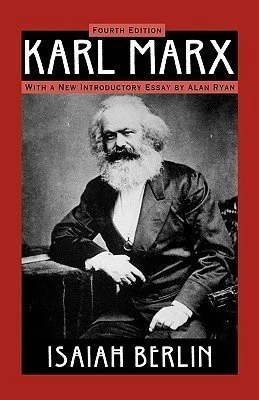
Nazi librarian Wolfgang Hermann compiled and organized a list of books to burn. The list contained hundreds of authors of different genres. Books promoting the ideology of communism or socialism were targeted, including all the works of Karl Max, Friedrich Engels, and Bertolt Brecht, German political theorists and poets. The writing of Helen Keller, How I Became a Socialist, was also burned. The list also contained books regarding pacifism and works praising or defending the Weimar Republic.
According to the Nazis, pacifism was a weak and dangerous ideology, and they believed parliamentary democracy was a weak form of government and wanted a strong authoritarian state. Works criticising the Nazi party were also incinerated, along with literature produced by Jewish authors. Jews were an inferior and dangerous race in the eyes of Nazis; they argued Jewish authors shouldn’t even be allowed to write in the German language. Therefore, all works of Stefan Zweig, Lion Feuchtwanger, and Sigmund Freud were destroyed.
Their efforts also promoted a narrative of “un-German” intellectualism and deliberately associated Jewish identity with cultural and political ideas they wanted to suppress. This act symbolized the attempt to control and restrict the diverse viewpoints of German society. The book burnings were propaganda by Nazi party to consolidate ideological control after taking power and reduce/limit access to opposing viewpoints that could’ve been used as counterarguments. By restricting people’s access to diverse and competing views, they influenced their thinking. The book burnings were just one example of how a fascist regime uses books in its own favour to change the public narrative and limit their access to ideas and critical thinking—along with the ability to question the government.
Censorship Beyond Fascism: The Soviet Union
In 1918, a temporary restriction on the freedom of the press was imposed by Soviet leader Vladimir Lenin, which was to be only until the end of the civil war; however, it became a permanent policy. In 1919, the Bolshevik policy towards intellectual criticism hardened, and he began arresting constitutional democrats. The suppression of democratic institutions evoked strong protests from academics and artists who felt betrayed in their idealistic belief revolution would bring a free society. Lenin saw the old Russian “intelligentsia” as a rival to his party and believed it could bring revolutionary consciousness to the working class. Glavlit, the main administration for literary and publishing affairs, was established in 1922 and was responsible for censorship.
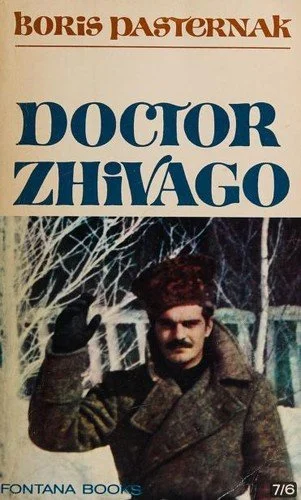
An article in the Library of Congress explains, “The party's guidance had already affected the process long before the manuscript reached the censor's pen. The Soviet censorship system was thus more pervasive than that of the tsars or of most other recent dictatorships.” In order to maintain the party’s ideological authority, books and magazines that weren’t “politically right” anymore were removed from libraries. Intellectuals of the nation who criticised Soviet life were persecuted and even prosecuted in some cases. They were either declared insane and were transferred to mental health hospitals or were imprisoned as enemies of the state. People weren’t allowed to speak up for human rights and freedom of speech, as it was considered anti-state.
The Soviet example demonstrates censorship is used to control the ideological narrative in a regime—be it fascist or communist. The Communist Party restricted access to ideas that challenged their authority, like the Nazis, while both relied on propaganda to build their own political narrative. However, this shows censorship is not only tied to fascism but to regimes that want to suppress the ideas of opposition and who want to change public discourse to maintain political authority.
Book Censorship in Modern America
Several attempts were made in 2025 to censor books and materials in public, school, and academic libraries in the U.S. The American Library Association’s Office for Intellectual Freedom (OIF) documented 4,235 unique titles were challenged, of which 39% represented lived experiences of LGBTQIA+ people and people of color. 92% of all book challenges were initiated by pressure groups, government officials, and decision-makers. OIF documented 5,668 books banned from libraries in 2025, and an additional 920 books were censored through access restrictions such as relocation or requiring parental permission. This is both the highest number of titles censored in one year and the highest rate of challenges resulting in censorship from 1990–2025.
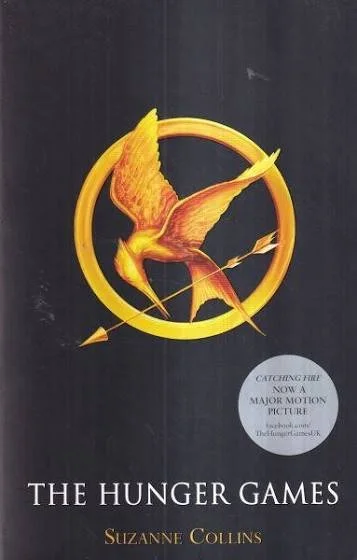
Restricting discussions of transgender experiences, diversity, equity, and inclusion can also affect which books are available in schools. For example, books like ABC of Equality by Chana Ewing or several volumes from the series Heartstopper by Alice Oseman were removed from access. There were persistent attacks to conflate LGBTQIA+ identities as “sexually explicit” and to erase LGBTQIA+ representation from schools. One of the reasons the government banned the books was presented as “ensuring transparency and parents' right to exercise control over educational materials for their children”, specifically in relation to explicit content (Szetela, Ji, Macy). The government has the authority to deny inappropriate content and control access to it to protect children (PEN America).
Recent book bans in the United States show how certain identities and political/social topics are being targeted. These bans can affect which perspectives students and children have access to. They also explain how censorship becomes “reasonable” when people themselves view a certain idea to be harmful. In framing bans as a way to protect children’s mental health, are the histories and stories of certain identities being erased as well? Similar to the use of censorship by authoritarian and fascist regimes who want to shape the public’s opinion for their political control, current book bans are reducing representation of identities like people of colour and LGBTQIA+ people—restricting perspective, without being fascist itself.
When Censorship Becomes Control
Looking at these examples, it becomes clear book censorship is not inherently fascist, but can be used as a dangerous political tool when those in power suppress opposing ideas and fear criticism, reinforcing authoritarianism and propaganda. Hitler’s glorification and immense hatred of Jews led him to shape the public’s opinion to serve Nazi’s political interests. Similarly, Lenin's obsession with the communist state allowed him to use censorship to maintain the Communist Party’s ideological authority. Censorship in the U.S. today demonstrates how people in power decide which identities' representation is restricted. In the name of readers’ protection, are they limiting access to perspectives they want erased?
Because, let’s be honest, what is there to hide or limit in the pages of a book? What is something they fear so much? Ultimately, the issue is not only what is being removed from books, but who has the power to decide what others are allowed to read.
Other sources to consider