

A Thought Daughter's Guide to Journaling
By: Ysabel Sarinas
Though there’s never a wrong time to start journaling, the end of the year and the beginning of a new one is always a fun time to try! For folks looking to get into journaling, planning, and everything in between, here are some tips on finding supplies, developing a journaling habit, and creating a system that works best for you—from someone who’s been putting pen to paper for more than a decade.
Figure out what you want (or what you don’t)

People turn to journaling for many reasons—the uniqueness of the hobby is what makes it so special! But before you run out and buy a bunch of supplies and journals, it’s helpful to establish what you want out of this practice, as that will inform the type of stationery best suited for your needs. Are you looking for a place to figure out to-do lists and life logistics? A spot to chronicle your daily thoughts and experiences? A blend of both? How do you anticipate filling things in—writing, drawing, collaging? Do you find yourself preferring the traditional analog approach, or would you prefer the easy access of a digital system? Are you taking your journal/planner with you on the go, and is your priority portability, or writing space? How much time are you hoping to dedicate to journaling or planning, and how often? Will you need multiple journals for different purposes, or just want one big compendium for everything? Asking yourself these questions, though it feels basic, gives you a clear picture of what you’ll need, makes the rest of the process easier, tailors the journal to your life and routine, making this a more intentional journey.
Supply time!
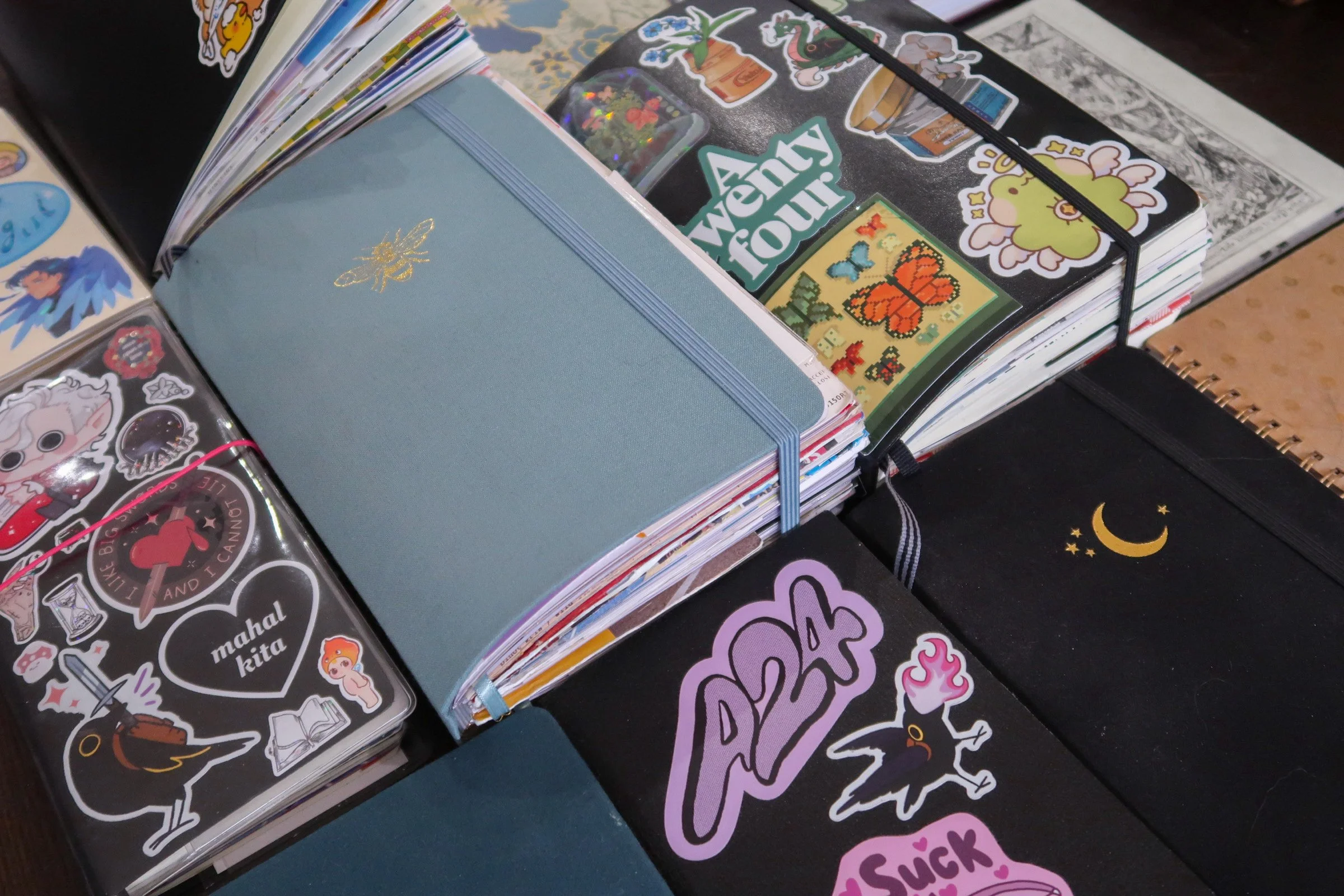
Now comes the fun part—well it’s all fun, really. But now that you have a more specific idea of what kind of journaling ecosystem you want, it’s time to go stationery shopping! For example, if you’re looking for something portable, a thin paper type might be something to keep in mind, whereas if you’re looking to collage, you might be in the market for a notebook that’s sturdier overall. If you’re looking into more flexibility with how you use your pages, a notebook or planner with more blank space would serve you much better than a structured planner with not much room for deviation. However, if you don’t have the time or energy to create a schedule from scratch and want something ready for you to write in, that is the type of planner you should look into. We’re in a time where there’s so many different kinds of pre-set journals and planners to choose from, and bullet journal inspiration to create something more custom. Doing research to find a layout that fits your needs can feel a little tedious, but it’s so worth it once you get into planning.
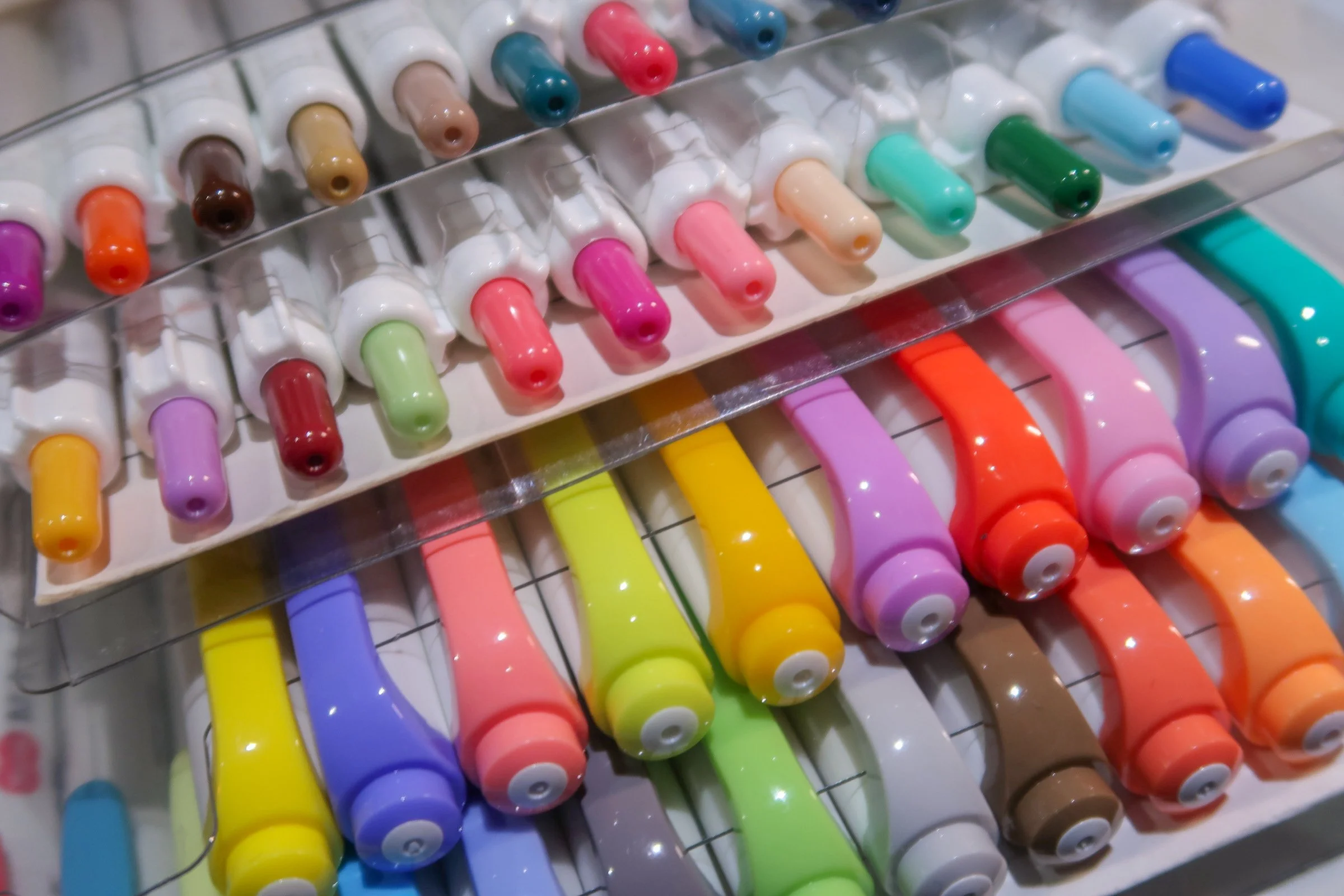
Pick a cover design or color that you gravitate towards so you find yourself wanting to use it more. It’s easy to get caught up in the hype and buy a bunch of pens, stickers, and other things for your journal right off the bat (believe me, I’ve been there), but remember supplies eventually accumulate over time, so there’s no need to rush to build a collection. Additionally, there’s no one right place to get your stuff from—whether it be a small business, Etsy, an office supply store, a discount or thrift store, or using things that you already own. Over time you’ll have the chance to develop favorites that remain a part of your system. As a left-handed girlie, I’ve amassed a personal short list of my favorite smudge-friendly pens. Research and patience is key!
Building a habit
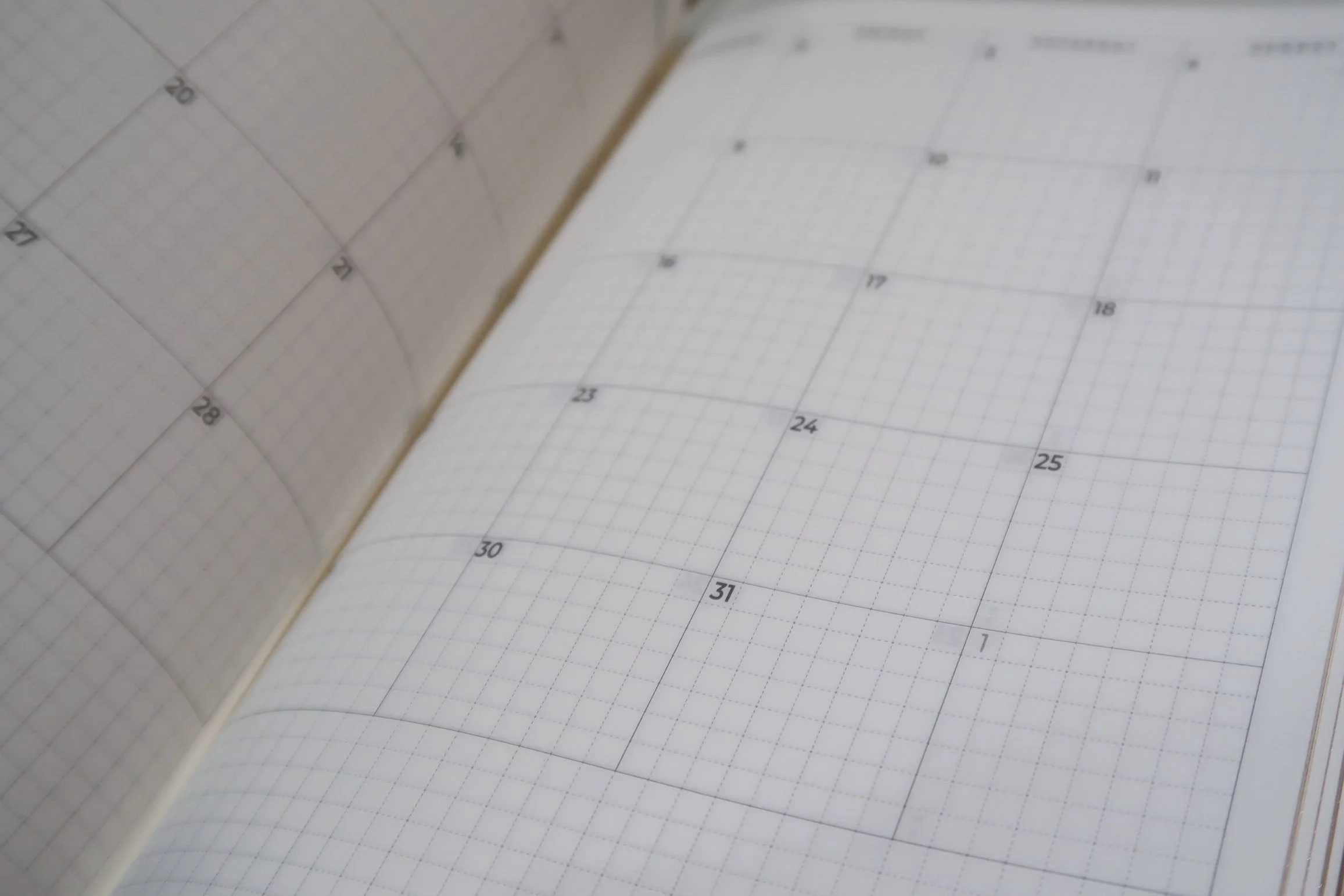
But of course, all of the above becomes null and void if you don’t end up using your journal and supplies! This is where building a journaling habit helps. Like any habit, there’s a level of commitment when developing consistency, but there are things that make coming back to a journal easier and enjoyable. Tying your journal time to a specific point of the day, like first thing in the morning or last thing before bed, helps create an easy way to remember to do it. Bringing your journal with you when you leave the house can help you document any thoughts or plans you make when you’re on the go. All that said, perfection is not necessary in this—give yourself grace when you get busy or forget! You want it to feel like a commitment and not a chore. Little rituals like playing music or lighting candles can help make the practice feel intentional and hopefully a little more magical. Whether you have the time and energy for two pages, two sentences, or even two words, effort is what really makes a journal.
And with that, best of luck!
I can give as many tips and recommendations as I possibly can, but the best part of this hobby is that it’s truly what you make of it! No two journals are the same—even within the same year a journal can look incredibly different! The joy is discovering how you like to journal through trial and error. So if you choose to take up journaling or planning in the new year, I wish you the best of luck on this exciting journey!