

Why Representation In Romance Is Important
By: Leah Thakur
Edited By: Angela Spinzig
Tender touches, soft embraces, confessions that leave you breathless—there’s nothing quite like reading romance.
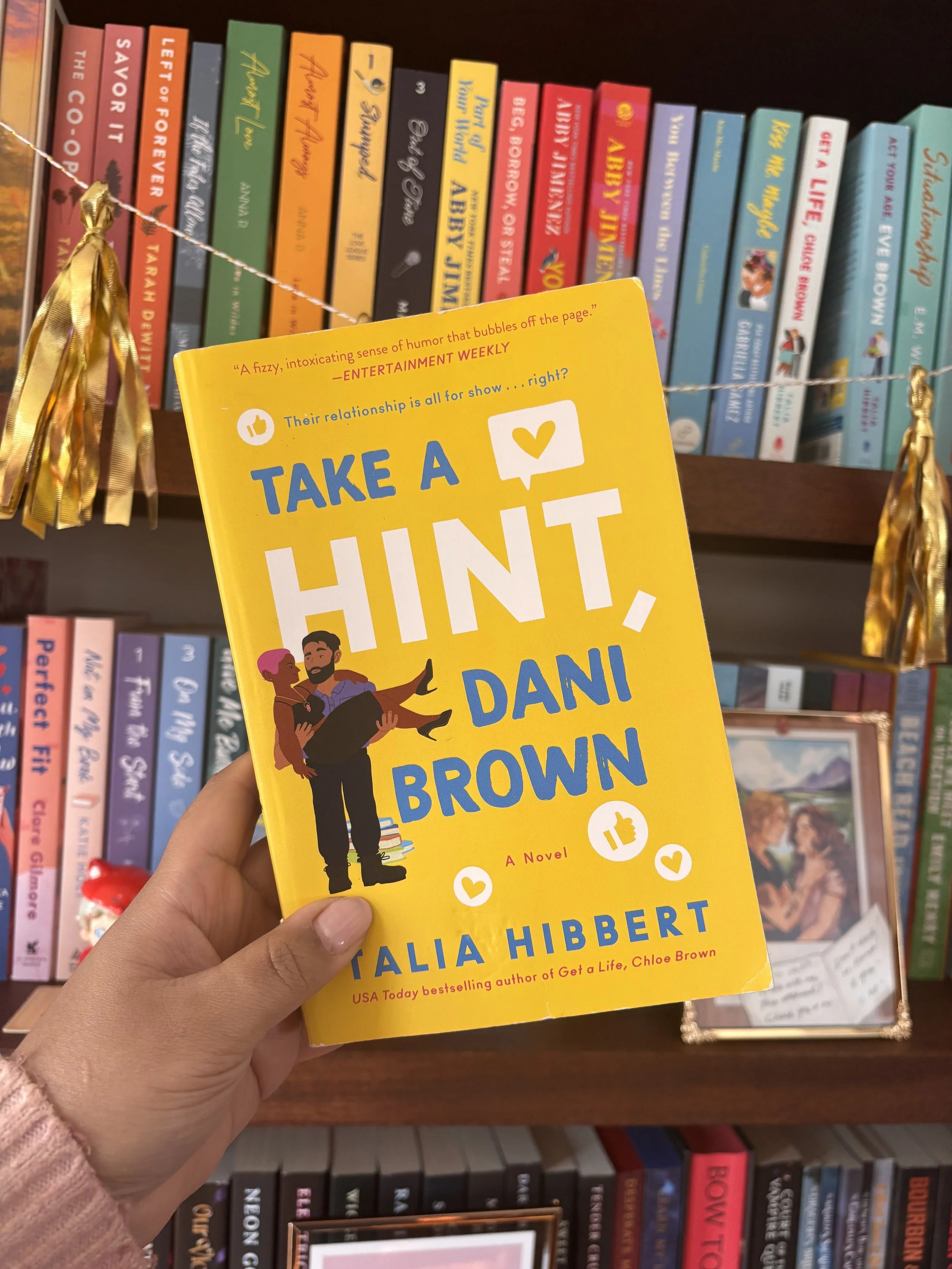
In 2023, I sat down and devoured Take A Hint, Dani Brown by Talia Hibbert in 48 hours. A romance between a fat, bisexual, Black woman and a Brown man with anxiety? I couldn’t believe I was essentially reading my husband and myself on the page. And though our story is actually quite different from Dani and Zaf’s, the feeling of seeing parts of myself reflected in the thing I love the most is incomparable. I know my love is beautiful, but I never knew it was beautiful enough for someone else to write about.
Representation shows that my love story is not the only one of its kind. My love is not an outlier. It is valid and worthy and important and so is yours. So is every kind of love. Love with or without having children, love after miscarriage or infertility, love with or without getting married, love after a breakup, love after divorce, love after coming out, love later in life, love through illness and after illness, love through mental health struggles: these are all experiences you or someone you know will go through. Though sometimes it’s easier to escape into an easy story without these very real occurrences, it’s also beautiful to seek solace and understanding from the pages of a book and still get to see love bloom. That’s why representation in romance, a genre all about love and hope, is so important.
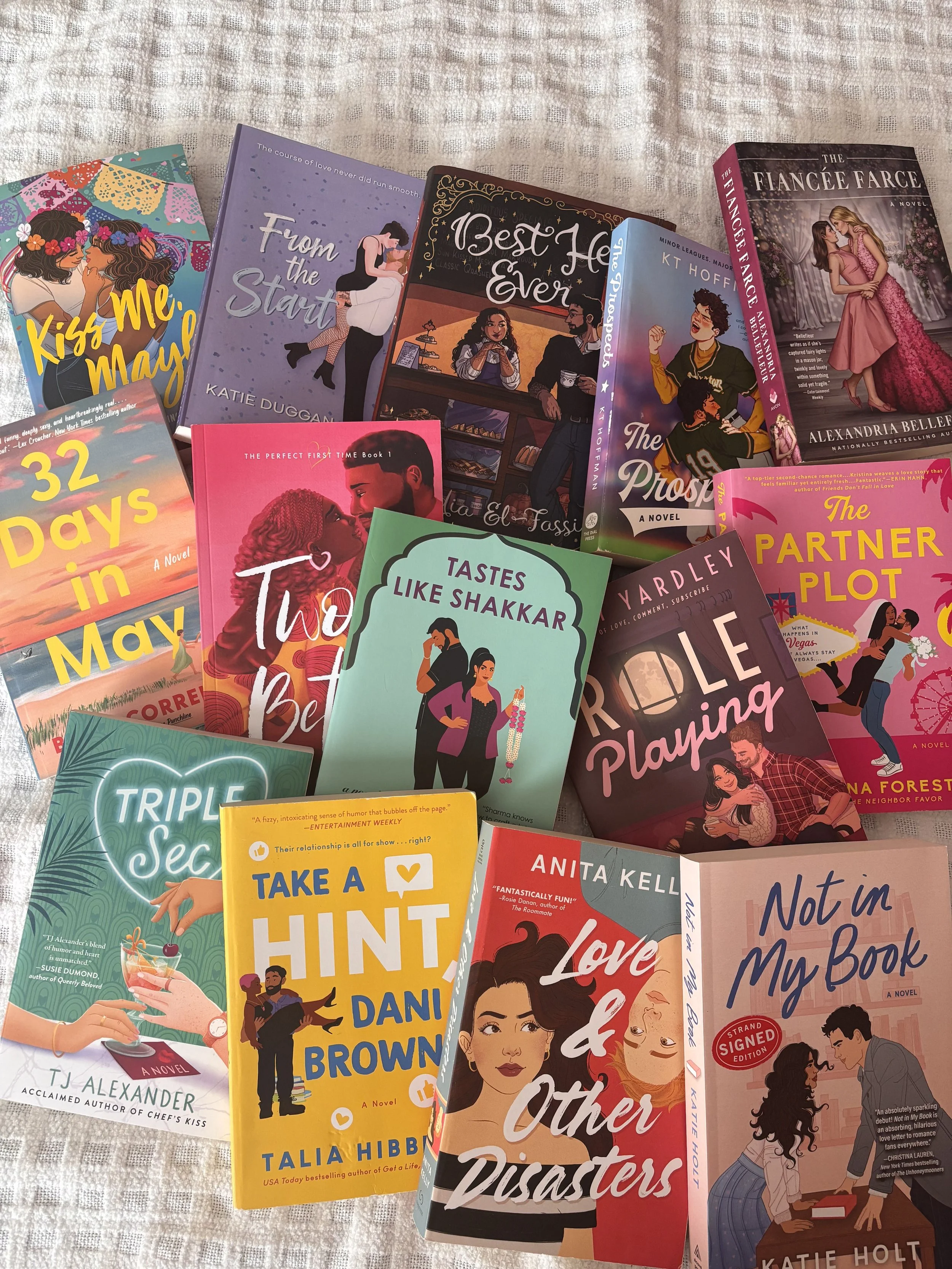
But the importance is more than just opening a book and seeing yourself. Queer love, fat love, neurodivergent love, disabled love, Black, Brown, Asian, Indigenous love, Muslim love, Hindi love, Jewish love, love where many of these identities intersect, all love is worth having its story told. Loving, laughing, living in oppressed bodies are acts of resistance in a world that otherwise tries to prove us all worthless. Reading and writing these love stories, giving life and visibility to love stories outside of the main narrative are acts of resistance as well. Prioritizing the joy and the hope of the oppressed is necessary in the greater fight to liberation.
I think what draws most readers into the romance genre is the hope inside these stories. The hope for a love and a life and the happy ending we all deserve. While romance usually focuses on the romantic love between people, there are endless books with deep friendships, familial bonds, and even found family. And we are all deserving of whatever type of love we want. So to open a book and see ourselves reflected gives wings to the hope a fictional happy ever after allows us.
Romance is the highest grossing genre in publishing and with that comes power. Representation in these books can lead to exposure and visibility of all types of people. There is a need and a want for stories that reflect all the different aspects of the human experience and normalizing the stories that often get pushed down can affect the real world. Writers and readers have caught up to the need to push narratives and spread that hope to folks who have historically been left behind, but the publishing industry has a long way to go.
But with a sigh of joy, we remember that romance guarantees us a happy ever after. With a little work, you can find a love story that makes you feel seen and leaves you remembering that whoever you are and however you are, you deserve love and joy and hope. Your story is beautiful and valid and important, it is not an outlier, and you are worthy of all the love you desire.