

The Case for KidLit
By Ally Hendricks
Edited by Emily Quintanilla
One of the many amazing parts of being in the book community is that there are so many books to read and each year brings more new material to readers. In 2025, over four million books were published in the US alone, which was a 32.5% increase from 2024. Readers have so many categories and genres to choose from, and with those options comes the awful reality that we will have to make tough decisions about what to read (I am crying as a mood reader).
In making these choices, some adult readers have decided they no longer want to read young adult books and instead focus on books written for the explicit consumption of adults. Others have chosen to read a wider variety. By being open to reading YA books, readers have more options and opportunities to find new favorite stories. After all, in 2025, 265,615 books were published in the US under the category of “juvenile fiction,” which is the second most popular category in traditional publishing. Your next favorite read could be one of them!
While Publisher’s Weekly is unclear on what constitutes "juvenile fiction,” we can assume that it encompasses middle grades, young adult, and possibly other KidLit categories. KidLit is a broad term for any literature published for children ages 0 to 18, including board books intended for babies and toddlers, picture books for children ages 2 to 7, early reader and chapter books, middle grade novels, and young adult novels. While each category has its own descriptions, expectations, and target audiences, the most common discussions of KidLit online surround middle grade (MG) and young adult (YA) books. For the purposes of this article, KidLit will refer to MG and YA books unless otherwise specified.
Reading KidLit as an Adult
There is no rule stating that adult readers cannot enjoy KidLit, and many do read a mix of adult and KidLit books. The popularity of YA books could even be attributed to adult readers. After all, a 2024 survey from HarperCollinsfound that 74% of people consuming YA books in the UK were 18 or older. This makes sense as adults have the buying power in our society and have many advanced reviewing opportunities, such as NetGalley and influencer programs, which require you to be at least 18 years old to sign up.
But why read YA as an adult? Many adults choose to read within this category simply because good stories are good stories, regardless of their intended audience. YA books are often still relatable in the way they display character emotions and relationships.
One untapped category of KidLit, however, is middle grade books. While YA is intended for readers ages 12 and up, MG is meant for readers ages 8 and above. YA has its popularity among adult readers, but it is rare to find adults who read MG. It makes sense that adult readers may be wary of reading books intended for such a young audience, but just like YA, middle grade books have relatable content that resonates with adult readers. If you’re already a lover of KidLit, or if you’re on the fence about it, here are reasons as to why adult readers should read more KidLit books.
They can be the perfect cure for a reading slump.
Adult novels typically have 80,000+ words, while MG books have a range of 20,000 to 55,000 words. While every book length will vary, an MG novel is a perfect quick and easy read if you need something to help you out of a reading slump. Simply find an MG book in a genre you love and enjoy!
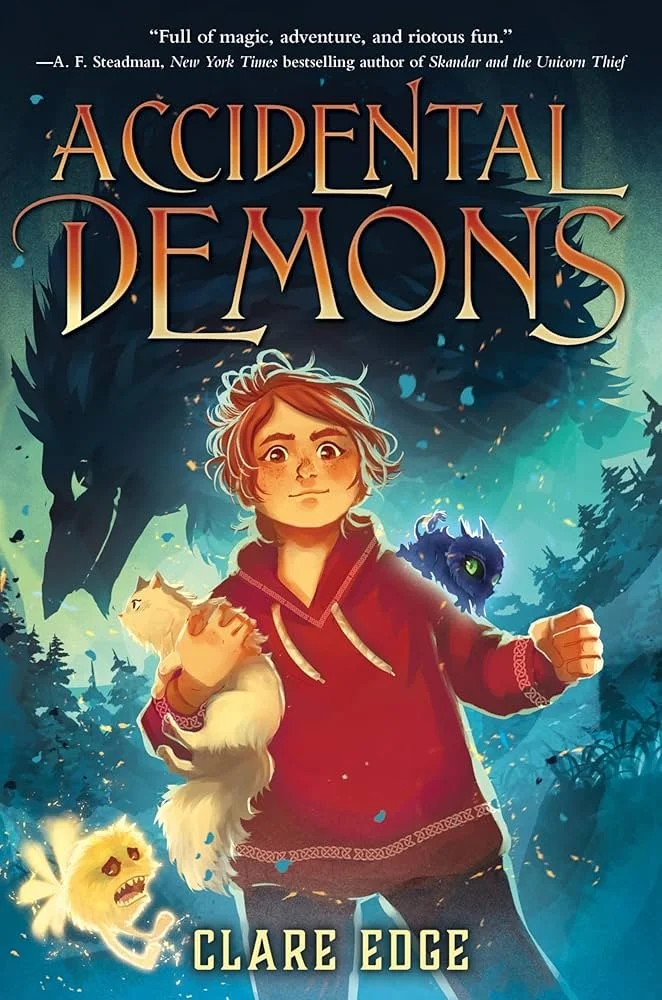
Fantasy fans would enjoy Accidental Demons by Clare Edge, a middle grade fantasy book about a young girl with type 1 diabetes. Bernadette comes from a family of witches, and ever since her diagnosis, she accidentally summons demons whenever she tests her blood sugar. When Bernadette and her older sister decide to purposefully summon a low-order demon to be Bernadette’s blood sugar monitor demon, the two accidentally conjure an old and mysterious creature that might put their whole coven in danger.
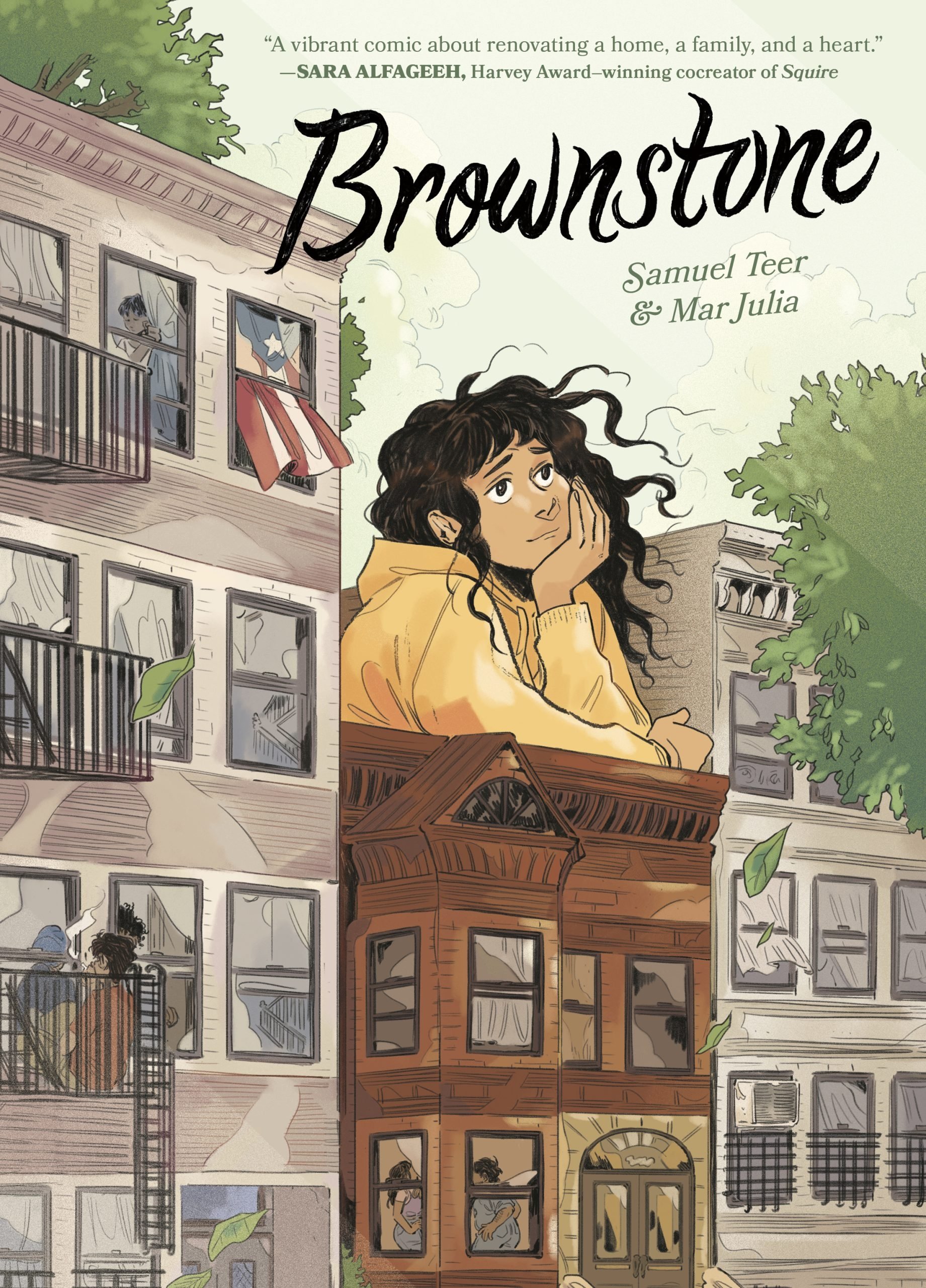
Graphic novels are also a great way to cure a reading slump. Historical fiction lovers would enjoy Brownstone by Samuel Teer and Mar Julia, a YA graphic novel about a young girl who is dropped off at her estranged father’s house for the summer of 1999. As Almudena adjusts to her new surroundings, she finds community among the Latine residents who live in her Brooklyn neighborhood.
They can teach us lessons from a different perspective.
Just because a book is meant for children or teens does not mean that adults cannot learn from it. YA and MG can still teach us about problem-solving, how to deal with emotions, and provide social commentary from a different perspective.
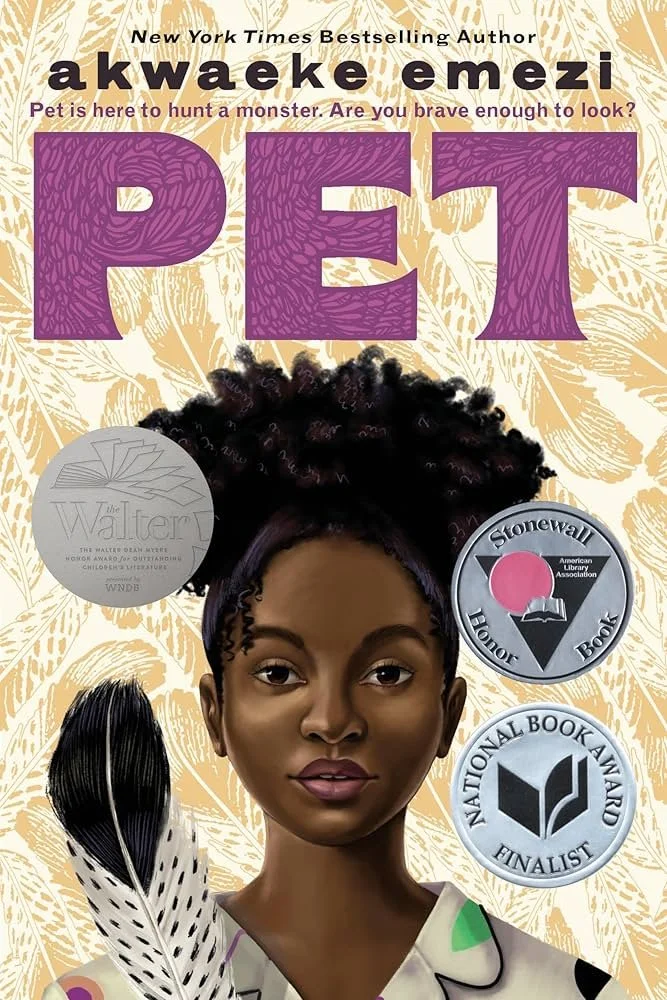
For example, in Pet by Akwaeke Emezi, the central theme is that monsters and angels might not look how we expect them to look. Jam has always been taught that Lucille has no more monsters, but then a being called Pet emerges from her mother’s canvas and declares there is a monster in Redemption’s house. The adults dismiss Pet’s claim, unsure of how a monster could even exist after the old ones were killed, so Jam and Redemption set out to find the monster themselves.
Middle grade books can be the perfect light horror novels.
If you are looking to get into horror or thriller books but do not want something too heavy or dark, MG horror is the way to go. Because the content is geared for children ages 8 to 12, there will not be intense gore, body horror, or other potential content warnings that some people avoid in their personal reading.
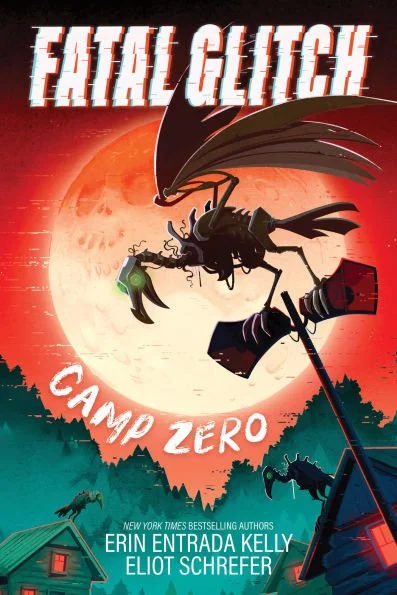
Fatal Glitch: Camp Zero by Erin Entrada Kelly and Eliot Schrefer is one example. Eleven-year-old Sofia is sent off to camp when all she would rather be doing is playing Sandbox, the latest gaming phenomenon. But something seems off about Camp Forestjaw with its mechanical birds, cloaked “NPCs,” and a game of elimination.
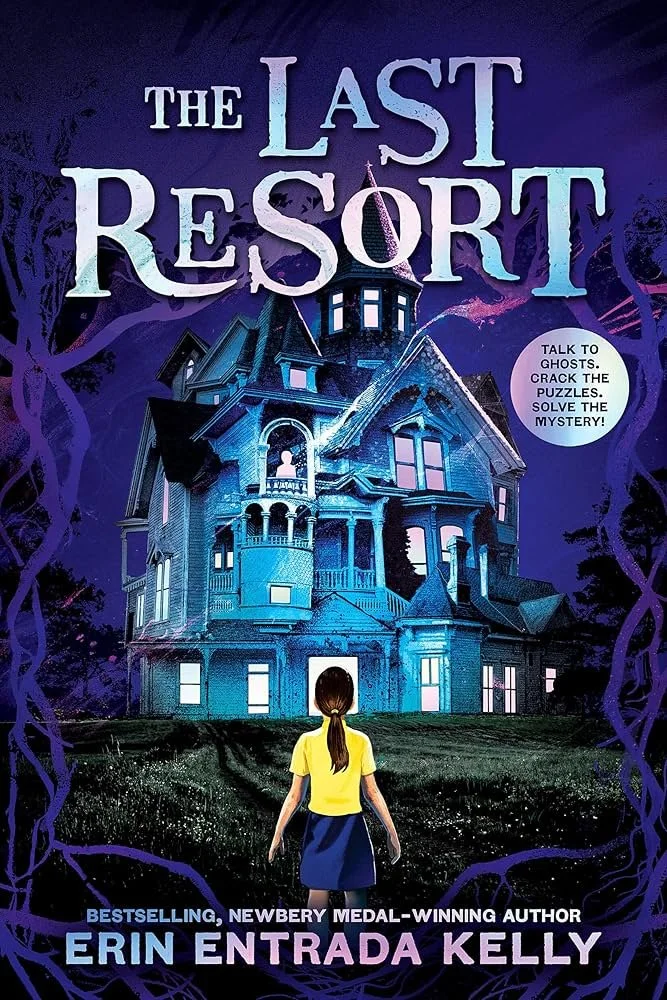
Another book by Erin Entrada Kelly, The Last Resort, follows twelve-year-old Lila as she has to unfortunately spend her summer at her estranged grandfather’s estate after he dies. But when she gets there, she discovers the old inn is full of ghosts that only she can see. What’s worse is that Grandpa Clem’s ghost appears one night, claiming to have been murdered. It’s up to Lila, her younger brother, and a new neighborhood friend to figure out what happened and why the ghosts are suddenly dangerous.
KidLit can help us understand the children and teens in our communities.
By reading material and consuming media meant for children and teens, we as adults open ourselves up to their perspectives. In a world with a generational divide, understanding and compassion for the younger generation is a much-needed practice.
Young Adult coming-of-age stories can help heal your inner child.
Coming of age stories surround the topic of a person moving from adolescence to adulthood. While the characters may not explicitly feature someone turning 18 years old, they typically feature a young person overcoming challenges in their life that lead to personal growth. When reading these stories, adults can relate to the transitions of adolescence and may see some of their own personal growth, emotions, worries, and memories reflected in them.
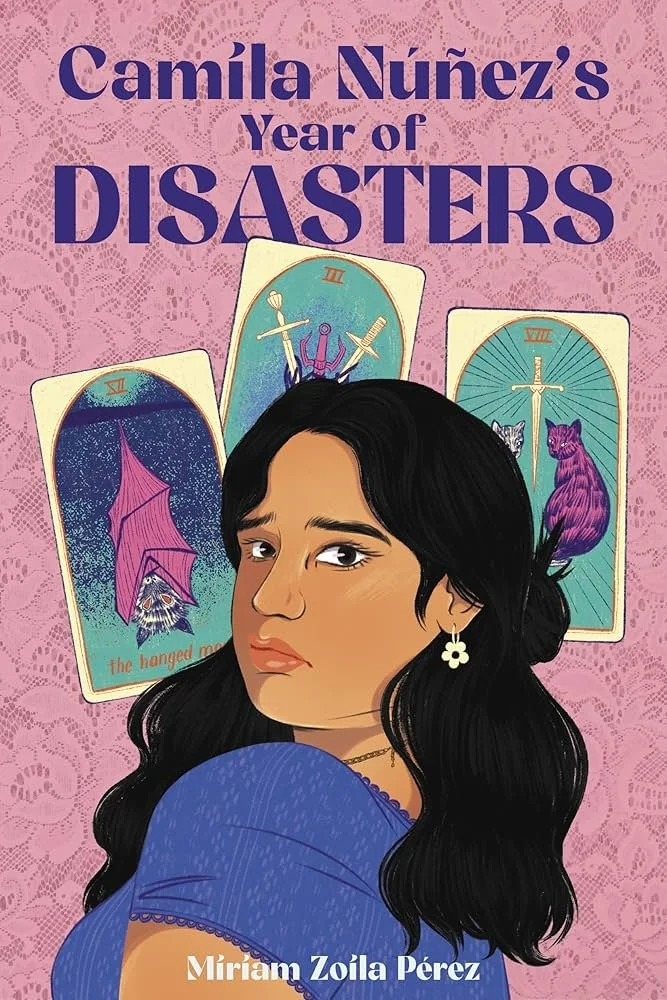
One YA fiction book that I felt reflected my own teenagedom to adult growth is Camila Núñez’s Year of Disasters by Miriam Zoila Pérez. In this book, Camila is just coming off of a summer fling gone wrong. She is determined to have a better year, but her best friend Cindy gives her a tarot reading that predicts a horrible year ahead. Camila is anxious about the future, another new relationship, her parents’ marriage, and her best friend’s new relationship. Navigating her 16th year might just be the toughest test yet. For me, the anxiety representation really hit home in this story, and it really helped to frame my own teen experiences and help me reflect on my own emotions.
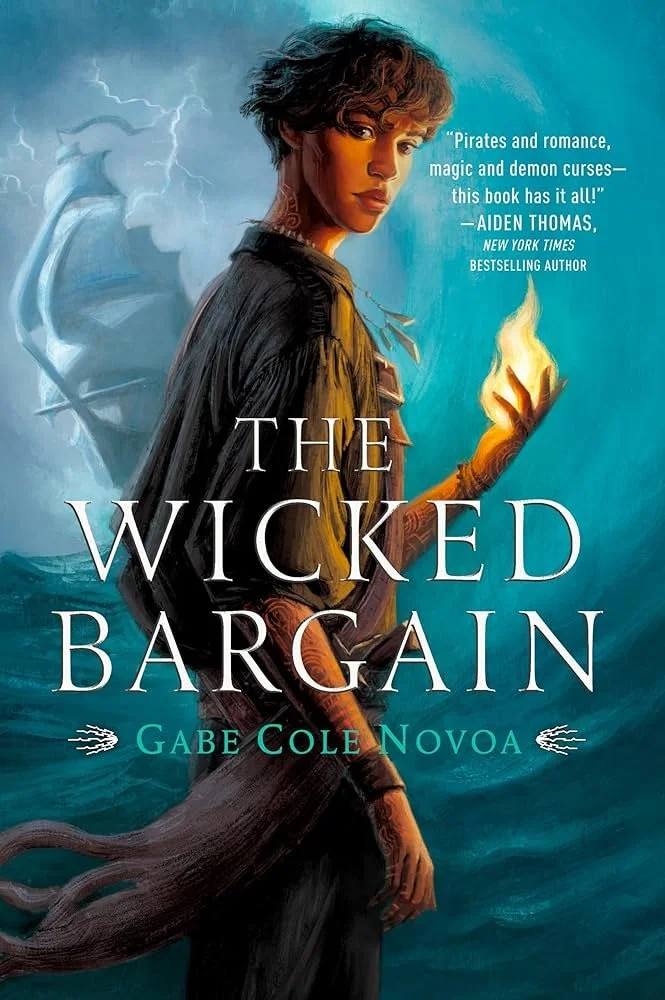
Another coming-of-age story is The Wicked Bargain by Gabe Cole Novoa. On Mar’s 16th birthday, they lose everything. El Diablo has come to collect what is his—Mar’s father, his pirate ship, and the entire crew. Mar cannot stop him, not even with the powerful magia they hide inside themselves. When El Diablo tries to make a deal with Mar, they team up with two new allies. Throughout the book, Mar starts to gain a new understanding of their magia and a new confidence in his friends and abilities.
KidLit can help us meet literacy needs.
Poverty and illiteracy are interconnected, as literacy can help people find careers and well-paying jobs, and seek higher education. 2024 data shows that 54% of adults in the United States read below a 6th-grade level, and 20% below a 5th-grade level. Reading KidLit can help adults raise their reading levels, practice their literacy skills, and foster a renewed love for reading.
Adult Readers in KidLit Spaces
There will always be spaces by teens for teens online. However, I think it is safe to say that the majority of people occupying book spaces on Instagram and TikTok are adults. As previously mentioned, we adults also have reviewing power and buying power in the publishing industry.
It is important, however, to remember that these stories are meant for a younger audience. Adults are simply not the target audience for MG and YA, and adult readers need to remember this as they read and review. Because adults have the buying power and early review power, it is easy to see how we can inadvertently influence media even though we are not its target audience. My suggestion will always be to review KidLit books through the lens of a teen or child, and to remember that the main characters of these books are children themselves. No one should expect them to be perfect, make good decisions 100% of the time, be fully mature, or have concise coping skills.
We, as adult readers, are guests in these spaces, but because we have inadvertent power over the industry, it is important that adults support KidLit from the viewpoint of encouraging children and teens to read. Jessica Yang, KidLit editor, recently said to me in a conversation, “The kids are our future, and kid readers are the future of publishing. If the publishing industry wants to flourish and have a thriving readership in years to come, we have to support and nourish kid readers.” By reading, reviewing, and sharing our knowledge of KidLit titles with the children in our communities, adult readers can turn their experience of reading KidLit into ensuring a more literate future.
As our society propels forward with its advancements, so too will people's ability to expand their minds beyond the traditional. The Weird Girl Lit subgenre in particular, though it may be somewhat misunderstood, serves an important voice, especially to women, and is here to stay.