

Bibliophile Tears
By: John-Paul Kunrunmi
“I have never been able to understand the complaint that a story is ‘depressing’ because of its subject matter. What depresses me are stories that don’t seem to know these things go on, or hide them in resolute chipperness; ‘witty stories,’ in which every problem is the occasion for a joke; ‘upbeat’ stories that flog you with transcendence. Please. We’re grown ups now, we get to stay in the kitchen while the other grown ups talk.” —Tobias Wolff
I intentionally go for books that I think will make me cry. Not all the time, because I’m more than my tears. It's just strategic consistency. I want to cry and I’m proud of it.
65 percent of the time, the books I read are just sad. I’ll admit that. I do not think that this is a bad thing. As Wolff said, we are grown ups now! Life is full of bad moments, but also sad moments that aren’t necessarily bad, just landlocked by unsolvable problems. And it’s this, this hopelessness, written so gorgeously on the page that it might make me well up from time to time. Sometimes, the prose captures something so accurately that I’m jealous it wasn’t me who wrote it (this happens often when I read Brandon Taylor). Sometimes I cry because I’m conflicted—jealous but in love at the same time. I’m easily overwhelmed. I lean more to these stories because that’s where I find most of myself, reading moments where humanity has been pushed.
We can’t always leave media with a smile on our faces. I think we ought to love ourselves a little bit more than that. Curating your reading experience to only hold the chirpy, happy-go-lucky and feel good moments just doesn’t feel right to me. A smile is like a visual thumbs up, a cue that everything went well or that it’s going to be fine, and life is not always like that. I too like to escape reality, but there is such a thin line between sticking your head out for air and complete defenestration into an inaccurate reality. We should not give ourselves to either extremes.
I like to believe that sad stories help us feel things that can contribute to the beginnings of empathy. To be dramatic can transform you. Mix up your brain chemistry. You consider the previously unconsidered and you may even become a little bit of a better person. I’m going to share three books that I have read that were sad, but taught me a few things about the world around me. They opened me up so that I could be present and informed for the people around me.
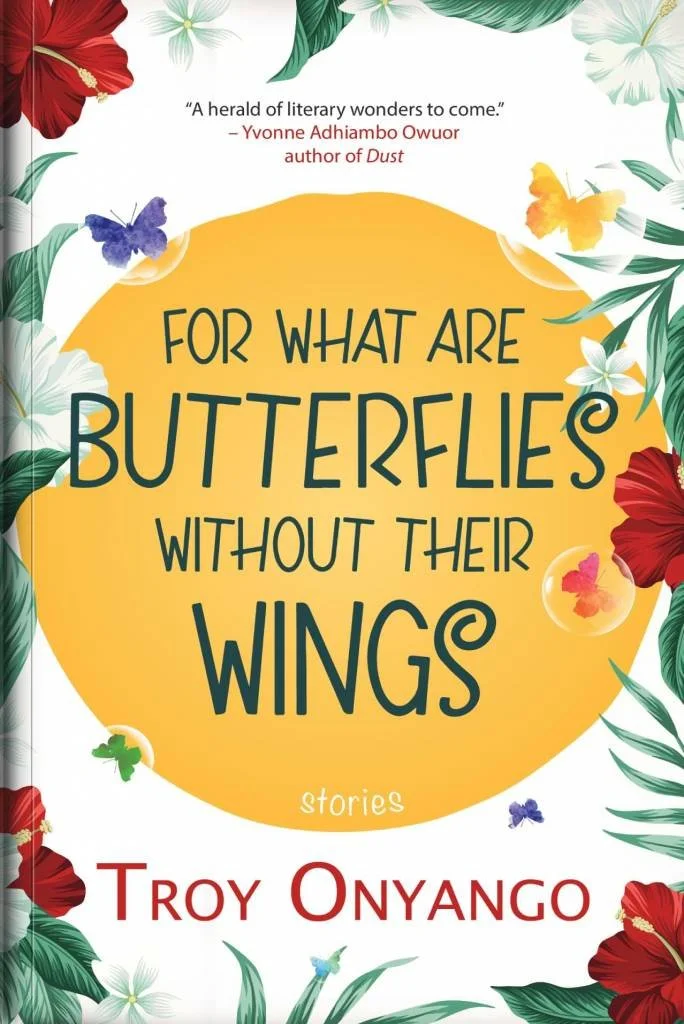
For What Are Butterflies Without Their Wings by Troy Onyango
Honestly, a gorgeous collection of short stories based in Kenya. Through his writing, Onyango meditates on many experiences of loneliness, death and distance. He doesn’t shy away from bleakness in his stories, and like the best stories, he drops us in and takes us out at the right moments. We spend enough time with his characters to experience their reality, enough to contemplate their circumstances even after we have finished. What would I do if I was in this situation? is what I found myself asking over and over again.
Before I picked his collection up, Troy warned me himself that his stories were sad.
hen I asked him why he wrote sad stories, he explained that they never really start off this way, but they come as a result of pushing his characters to the edge of themselves to see how they will respond. One of my favorite stories, This Little Light of Mine, begins with a guy who is dependent on a wheelchair looking on the apps for a hookup. The guys he talks to do not know he is in a wheelchair and our main character is convinced that this fact is worth hiding. The things that men have said to him once they’ve found out that he can’t stand up are absolutely awful, but they’ve been said in real life. Troy Onyango lays this all out before us and asks us ‘have you considered this version of reality?’, and to be honest, I hadn’t. Sure, there could have been a happy ending where he finds someone who desires him, and there are people like this that exist. But I feel that denying the readers of that, especially those who are able bodied, allows us to see the reality of these characters that so accurately reflects that of real people. Real ramifications of ableism. Empathy!
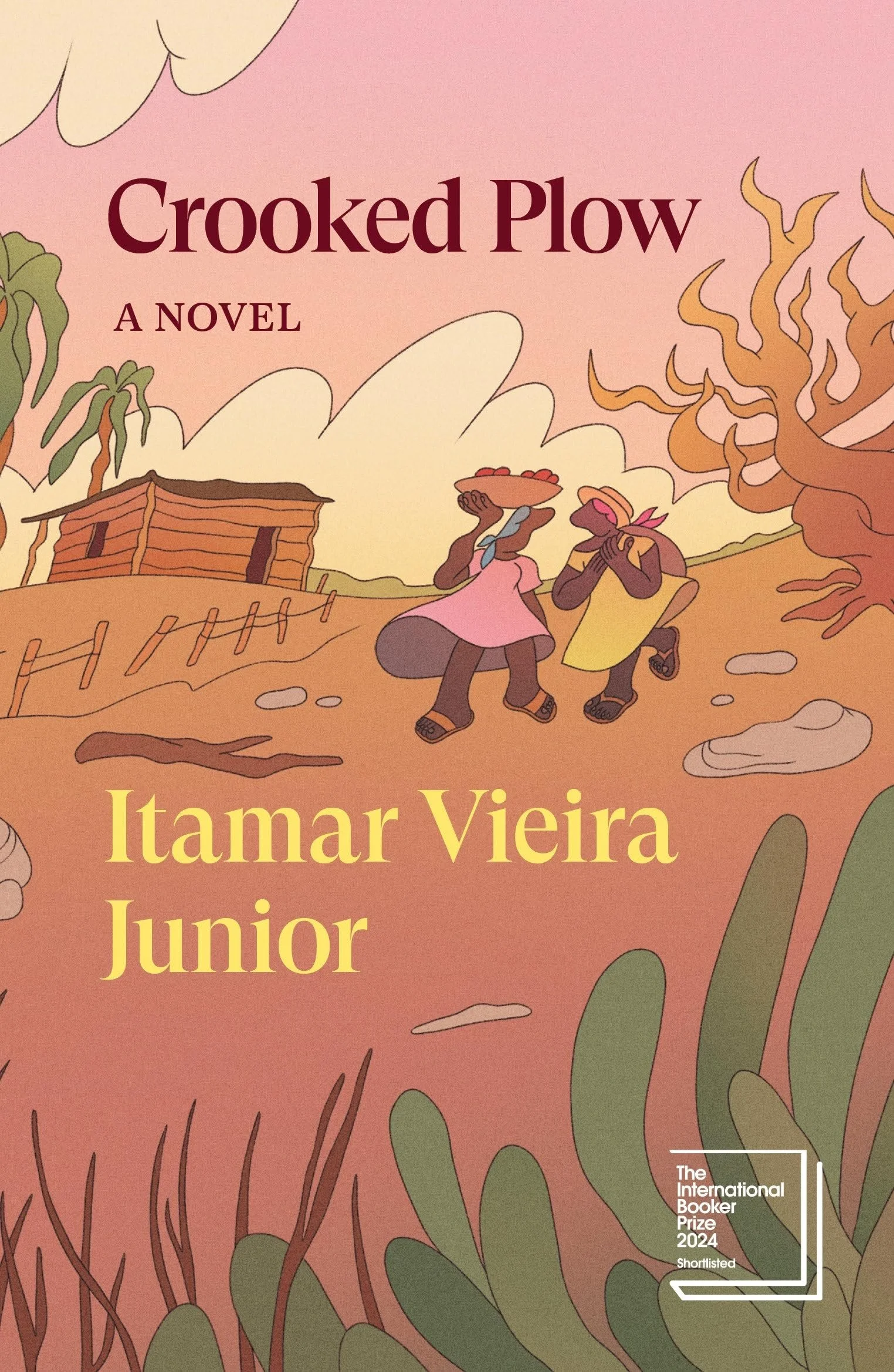
Crooked Plow by Itamar Vieira Junior
This is the second time I’m writing about this book here in Readin’ Mag. I’ve become an evangelist because of this book. I will radicalise the masses and convince them to read Crooked Plow. Translated from Portuguese to English, this novel struck me because of its resistance against being categorized as ‘magical realism.’ Itamar makes it clear that everything in this book exists in a world beyond the West. We just have to deal with it.
An oppressed group of people realise that those in power do not have their best interests at heart. They fight relentlessly, and on the way, their loved ones die. I really felt the hole left by every loss.
What’s sad about this story is that the outspoken ones pass away, and the quiet ones eventually become outspoken because they have lost everything. Itamar summons desperation out of risk, and even as these people are fighting, he still highlights their strengths with his delicate pen.
There’s a privilege that is slowly being removed from some of us in the West: we thought we were safe because they told us so, but really everything is catching fire. Even then, I think we have a way to go before we become desperate out of risk (thanks to individualism), so it was harrowing to see what circumstances could call for it. I think I connected with the book because it was honest, even when it was uneasy.
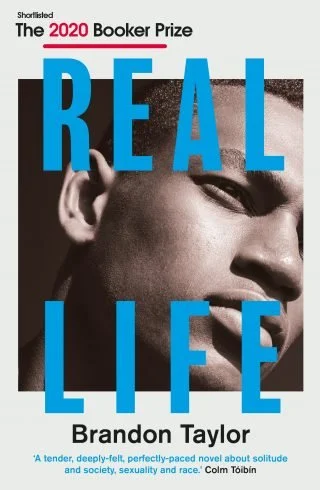
Real Life by Brandon Taylor
This book is where my addiction to bibliophile tears began in 2022. I read Real Life when I was in a great place mentally, but gosh, Wallace was so miserable that it made me feel miserable by proxy, but I was still so drawn to the sharpness of Brandon’s prose. Arguably his best novel so far, Real Life is about real life, in that it contains multitudes that are running alongside each other and this causes friction in Wallace’s life. He loves his PhD topic, but dislikes the faculty and the other students. The man he’s in love with is closeted and unavailable. His father just died.
He’s the only Black, plus-sized guy in his group of queer friends who all in some way struggle to perceive this intersectionality. A brilliant campus novel. Yet he still has to figure out how to live, to keep friends and just exist. This is real life. Earlier, I mentioned moments landlocked by unsolvable problems—that’s what this feels like to me.
Brandon Taylor has been referred to as a master of American realism. He’s a great observer who pulls out decisions that people make inside themselves and slaps them on the page. Now this book didn’t teach me a profound lesson about others, but sort of gave me permission to feel the full weight of becoming a person. It isn’t easy, and I shouldn’t be my harshest critic, because who wants a 24/7 hater? Not me! I really adore how well he’s able to pull it off. I wish I could read that book again for the first time. Wallace is a biochemist from Alabama who, in escaping home, is exposed to how the world sees Black, gay, plus-sized men like himself. Wallace sometimes reads like a playtoy, like when his friend kisses him on the cheek to console him for his loss, which riles up her fiancé, to which she responds by saying it’s like kissing a girl anyways! Wallace could have gotten up and walked out on his friends, but unfortunately life doesn’t work like that and love doesn’t either. He eventually finds connections and a friend, a Chinese-American student, who seems to just get him. That is also real life.
I think, in a roundabout way, reading sad books gives you permission to be. You can look at your circumstances and think, yeah, I can be upset about this. It’s strange, but real. I hope that there are a lot more of you out there that, like me, like to cry when they read. Surely I’m not on my own.