

Big Tech, Small Libraries
By: Coco Mays
When you think about libraries, the first thing you think of is books. The feel, the smell, the sound of pages flicking between fingers from aisles away. Books, in one format or another, are what intrinsically make a library. Libraries, though, are so much more; they’re community hubs, places where people can go to learn, connect, and maybe even escape. Especially in small and rural towns across the country, libraries are essential to the average person. They are used to connect people with worlds and cultures outside of their daily reality all the while helping them manage tasks like filing taxes. People need community, and a community is defined by its access to resources, culture, and art. So, what happens when technology overruns a library to the point where it can no longer adequately serve its community? What happens when technology runs a library into the ground, to the point of obsolescence?
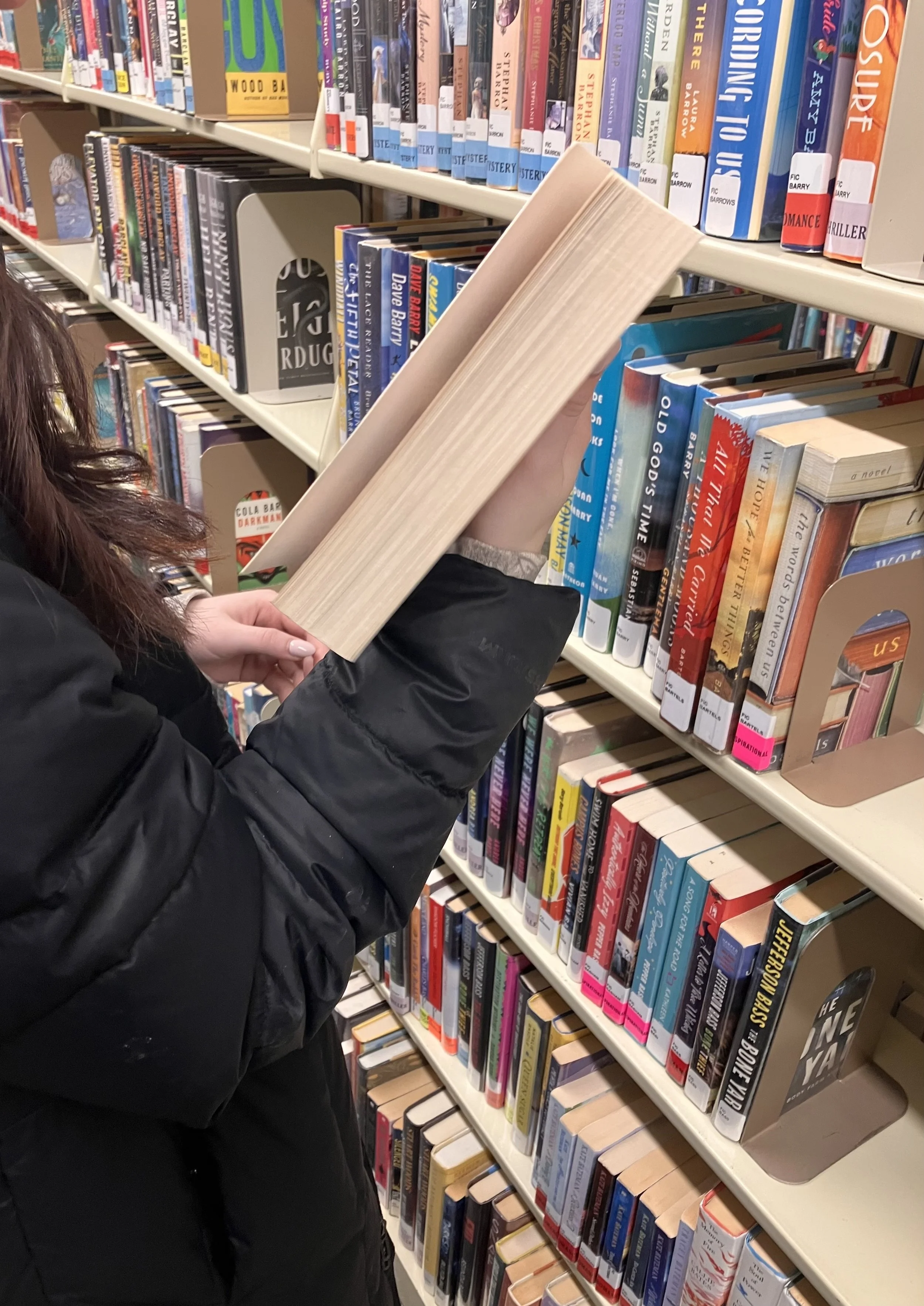
Library book browsing with @turnthepaige
Technology is everywhere, and technology is a part of everything we do on a daily basis. Many of us even have advanced technology engrained into our refrigerators and toothbrushes. Technological advancements aren’t inherently a bad thing—even Ultron started out as a fantastic tool for Tony Stark. Almost thirty percent of library-using Americans sixteen and older have stated that they go to libraries specifically to use their branch’s computers, internet, or public Wi-Fi (Horrigan). Today, libraries are more than what our minds typically associate them with; more than books, more than community connectors, they’re tools that are meant to be utilized to improve our lives. School and public libraries alike even offer laptops and iPads as loan items, all equipped with the software needed to sustain essential student and professional life. But there’s a downside to these advancements that are so heavily regarded as innovative.
In America, there are roughly 17,000 public libraries, including branches and extensions such as bookmobiles. Of those libraries, roughly ¼ of them are considered small and/or rural, serving thirty million Americans nationwide (IMLS). There’s a stark contrast between these small libraries and those in major cities: small libraries can’t compete with their larger, well-equipped counterparts. Major United States libraries like the New York Public Library can afford to keep up with technological updates and advancements, especially where it concerns the use of digital materials via a third-party app like Libby. The libraries in America where you could toss a nickel from the entrance and watch it land at the end of the shelves—they’re the ones we should be worrying about. For a while, I lived in an area with one of these libraries. It felt like home, but I couldn’t help but be constantly worried for its future. Its sole librarian didn’t even require a Library Science degree, that’s how small its circulation is. These libraries are under constant threat of losing their funding, with many even facing closure. When the average rural library patron lives almost five miles away from their branch (whereas other Americans live about two miles away on average), why would you make the trip when you can just sign up for a digital card to a major library in your state, download Libby, and use that card to check out the book you really want straight from your phone? (IMLS).
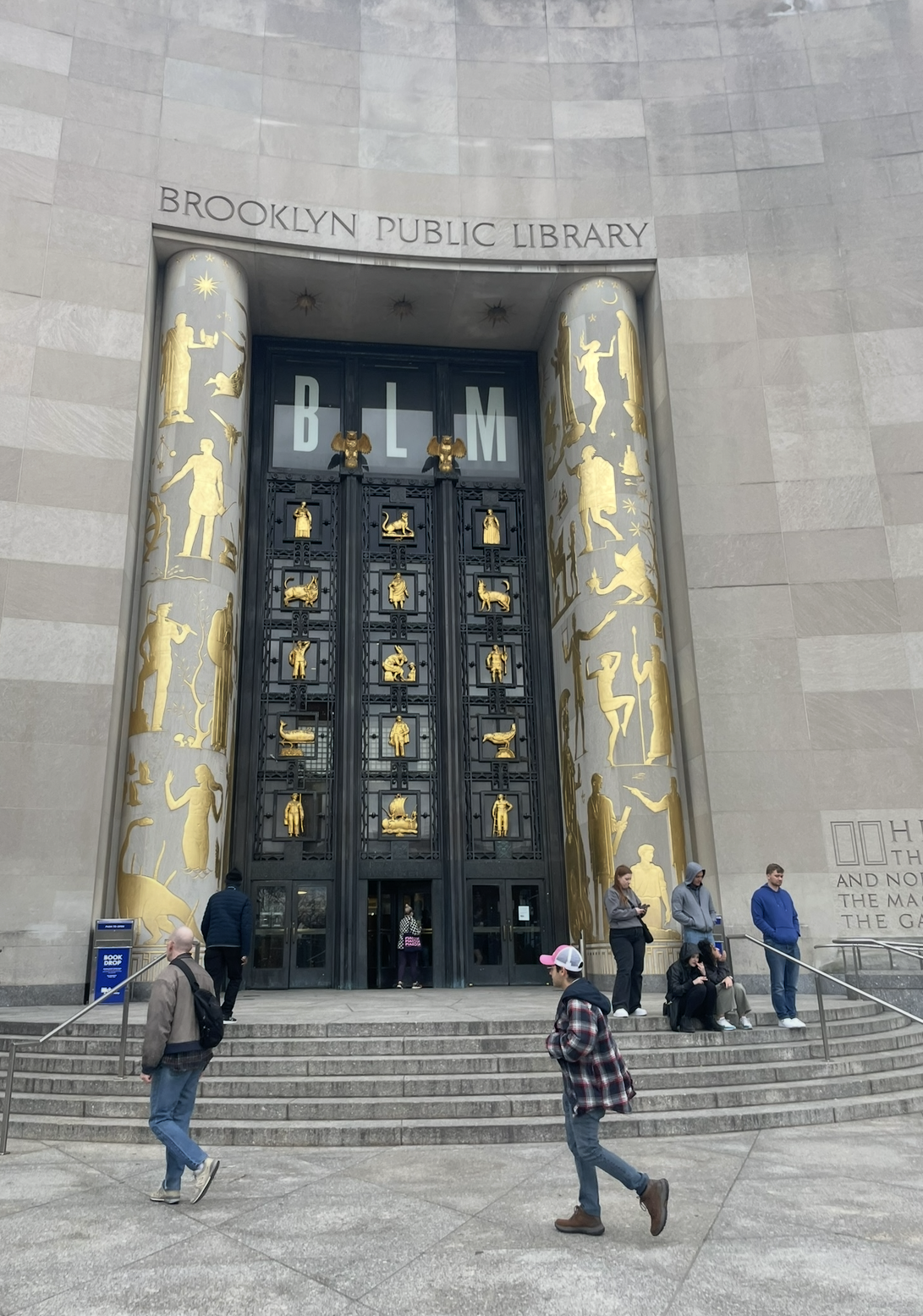
Brooklyn Public Library, Brooklyn, NY
Other than taxes and government funding, libraries can seek out other forms of aid, but they need foot traffic. More than that, they need consistent and justifiable traffic, which can be the result of a myriad of things that draw people in, from cozy ambiance, to community activities, to lending options. Undoubtedly, the librarians are the biggest draw. A library in the middle of nowhere, rural America can pack just as powerful a punch as a library bursting with grandeur, all because a patron can remember a certain librarian’s kindness and spot-on reading recommendation. When their traffic is put at risk due to an app they cannot afford to integrate (i.e. Libby or other Overdrive-owned programs), the mere sentiment of feeling like the library lacks something can put that branch at risk. In today’s world, people feel as though they don’t need librarians because they think social media or even AI can do their jobs better. This certainly leads to something I like to refer to as a “cultural desert”: a community that lacks any sort of shared third space that supports an art form. People deserve third spaces and access to art, and they shouldn’t be forced to resort to obtaining a library card to a massive U.S. library in order to have access to culture.
Smaller, rural libraries have made strides in recent years. Many of them have received aid from larger state libraries in order to continue to service those in their local community. But this was before Trump 2.0, and even pre-pandemic; the IMLS and other large, government-funded organizations aided small libraries immensely, especially when we consider that public libraries receive most of their funding from county and city taxes (Hays). Think about those states who don’t have a major metropolitan city that manage to break the top twenty in the country (Gopnik). Predominantly rural states with comparatively low taxes (like Wyoming, Montana, and Alaska) need federal funding now more than ever to supplement what the community can provide. Federal funding is critical to supporting the rise in tech demand, especially since reading has become gamified and commodified thanks to social media (IMLS). These people deserve access to digital materials, but it becomes a financial balancing act for their library; to be or not to be (digital)?
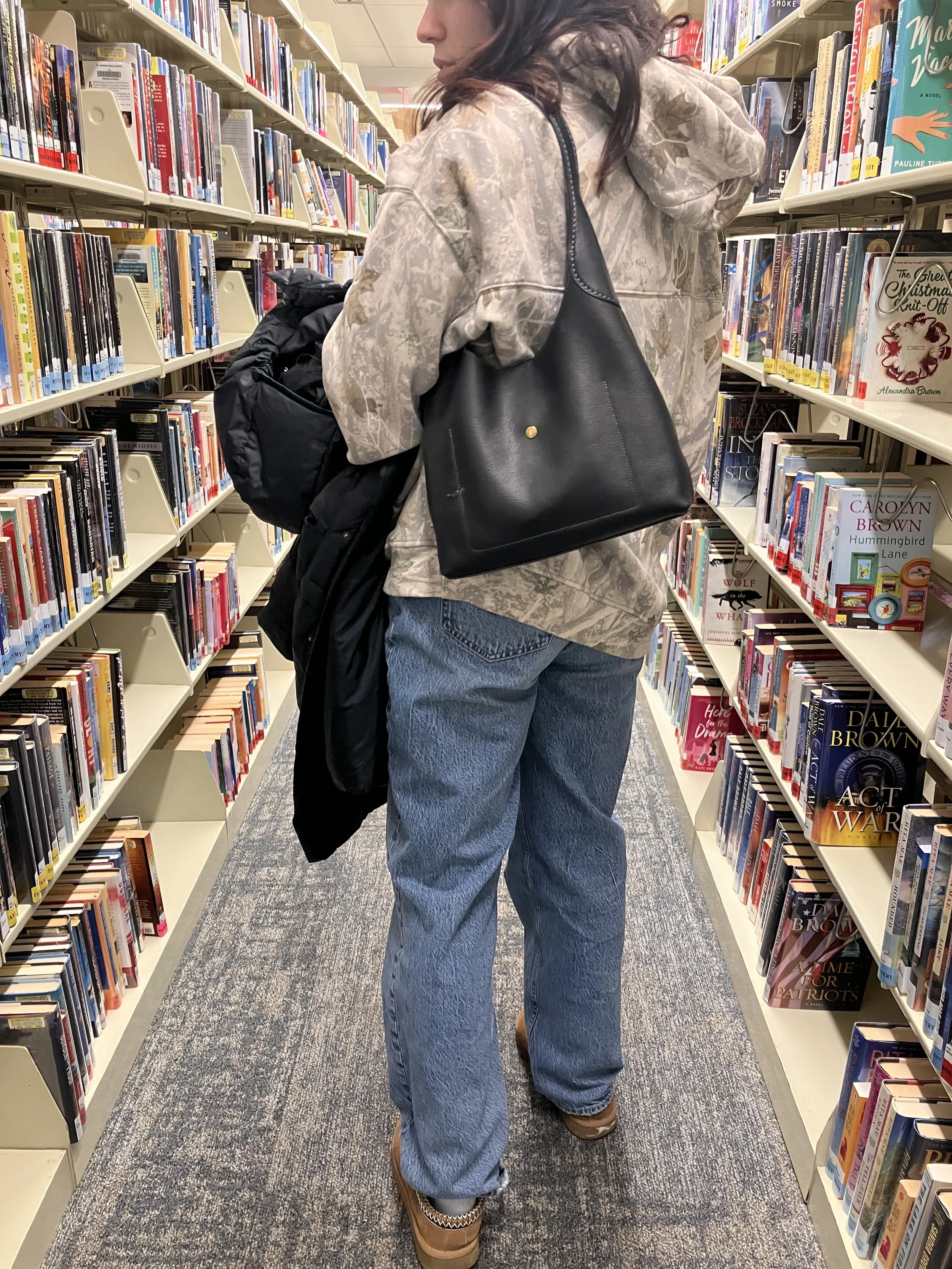
Library book browsing with @turnthepaige
When it comes to digital materials, ebooks, digital magazine copies, etc., libraries must purchase the digital licensing for these titles, which are often at least triple the amount of a standard paperback (San José Public Library). Once the digital license lapses (because as of right now, there’s no such thing as buying or owning the digital rights in perpetuity), the library must decide whether they’ll repurchase the title or let it die. The average library may let a few titles go every year, but many smaller circulation libraries don’t have the funds to purchase any digital copies to begin with, let alone repurchase. Many rural and community libraries are not registered on the standard American digital reading apps simply because they don’t have the funds to support their community in person and online. By choosing to show up for their patrons with craft nights, book clubs, and voting informational sessions, they risk losing a majority of patrons nowadays to larger state libraries that offer easily accessible digital library cards, which patrons can then use to sign up for library apps. People are still utilizing libraries, an institution that’s at risk across the globe as a whole; but, it comes at the expense of a library that needs your footprint even more.
The issue only worsens with the integration of generative AI. Many of you may be familiar with the plaguing reality that is AI replacing human oversight, and the same applies to small-town librarians. Emily Zerrenner, an academic librarian whose library serves roughly 7,000 students, feels as though GenAI is “actively making [her] job harder,” especially since her students can barely use “search engines (even Google) because they just use ChatGPT.” Although she admits that she is still giving recommendations fairly regularly, her library is understaffed; she “wears a lot of hats” to compensate, and it is this reality that causes tension on the delicate dynamic of the librarian to community relationship. No one can adequately maintain a cohesive relationship under the duress that is a library without resources, so I wouldn’t be surprised if generative AI completely subsumes in-person interactions with librarians. Even in the few cases where small and rural libraries are able to adopt a digital second home with its own recommendation tools and filtering features on an app like Libby, librarians still spearhead curation overall because they are the ones who decide which digital licenses to purchase. But the more Libby doubles down on their new AI feature, the more they push librarians to the sidelines. There’s a vast difference between filtering searches based on things like genre and length and generative AI directly handing you a new book because it thinks you may enjoy it. Does that job sound familiar to you?
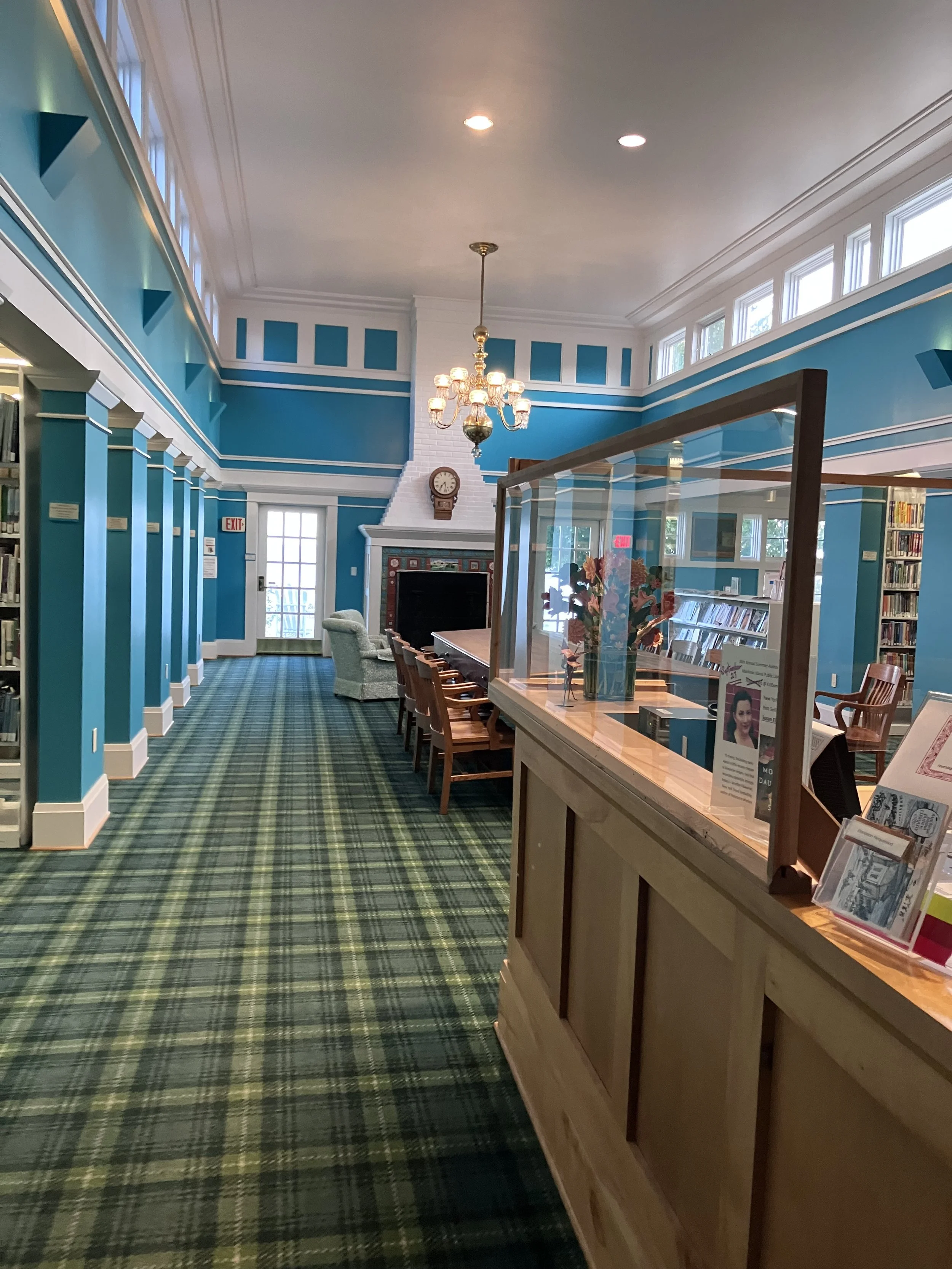
Inside the Mackinac Island Public Library, Mackinac Island, MI
Everywhere we look, everywhere we turn, we cannot escape the shackles of technology and AI. We know this, and we try to deny it, fight it, or brush it off, because at the end of the day the average person alone can’t solve this issue. Funding the arts should connote equity—we can support all arts and humanities institutions while acknowledging that some require more help than others. I have never been worried about the closure of an institution as gargantuan as the Smithsonian Library or the Chicago Public Library, but years after moving away from that teeny little island, with a teal-colored library that sort of reminds me of a macaron, I can’t help but wonder how they manage to stay afloat, especially now.
One thing I know for certain, though, is that I’ll continue to choose community every day. Even if that means being stingy with my Libby checkouts, or renouncing the app altogether. Doing your part to protect what’s already so fragile is exactly what keeps a community alive.